
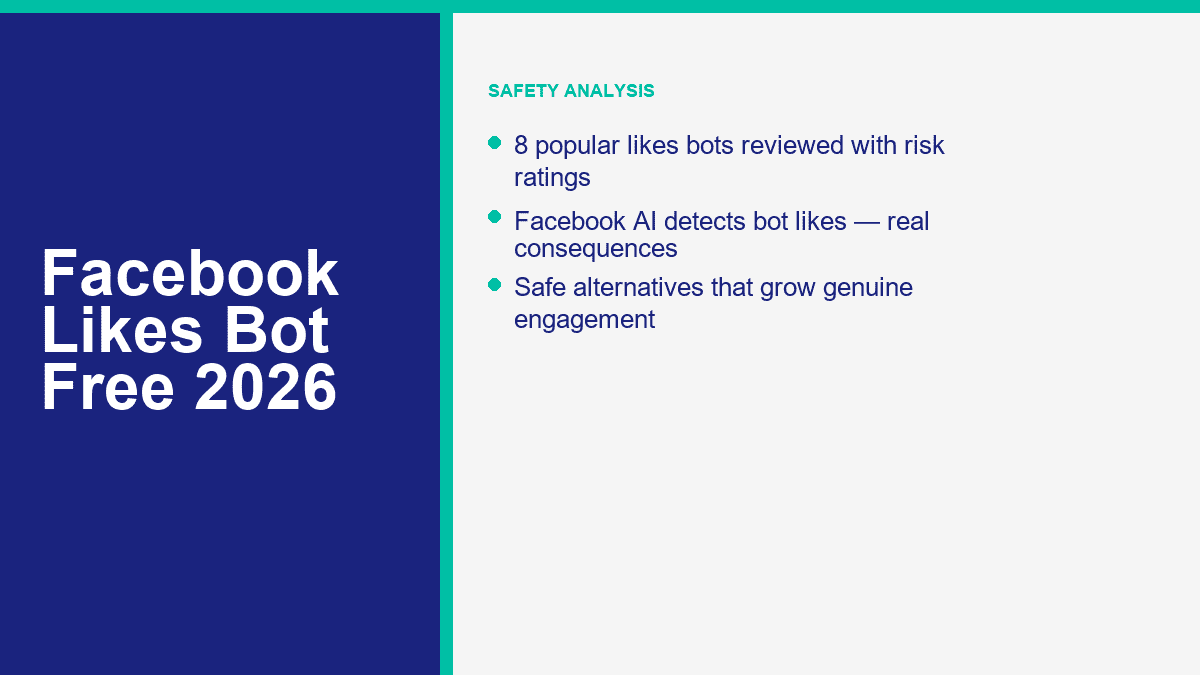
معظم الأشخاص الذين يبحثون عن بوت لإعجابات فيسبوك المجانية لا يحاولون أن يصبحوا مجرمين إلكترونيين. عادةً ما يريدون أحد الأشياء الثلاثة: زيادة سريعة في إثبات اجتماعي على منشور يبدو ميتًا، أو وسيلة لجعل صفحة جديدة تبدو أقل فراغًا، أو اختصار بعد توقف الوصول العضوي. المشكلة هي أن العبارة بوت الإعجابات تخفي فرقًا كبيرًا بين الأدوات. بعضها شبكات تبادل قديمة حيث يقوم المستخدمون بالإعجاب بمنشورات بعضهم البعض مقابل نقاط. وبعضها بائعون لتجربة مجانية لمرة واحدة يقومون بتوزيع بضع عشرات من الإعجابات لجذبك إلى حزمة مدفوعة. وبعضها تطبيقات إعجاب تلقائية تطلب رموزًا أو جلسات أو أذونات مشبوهة. تلك ليست بنفس مستوى الخطر.
إليك الجواب الصريح في عام 2026: نعم، يمكن لبعض هذه الأدوات أن تحرك عداد الإعجابات المرئي. لا، هذا لا يعني أنها آمنة. لا تزال ميتا تقول إن الحسابات والكيانات التي تستخدم ممارسات مضللة لبناء المتابعين، بما في ذلك الإعجابات المشتراة، قد لا تُوصى بها على نطاق واسع. كما تقول إن الصفحات التي تحصل على إعجابات بشكل مضلل قد تُفرض عليها قيود، بما في ذلك فقدان زر الإعجاب. يجب أن يعيد ذلك على الفور ضبط الطريقة التي تفكر بها حول النمو “المجاني”.
سأفصل أيضًا العمل من يستحق ذلك. يمكن أن يوفر أداة 30 أو 80 أو 200 إعجاب إضافي ولا يزال قرارًا سيئًا إذا جاءت هذه الإعجابات من مستخدمين عشوائيين في دول خاطئة، ولم تخلق أي تعليقات، أو مشاركات، أو زيارات للملف الشخصي، أو أي عملاء محتملين. تحتاج مخبز في كويزون سيتي، وطبيب أسنان في ميامي، وعلامة تجارية للجمال تبيع في جميع أنحاء المكسيك إلى نفس الشيء: التفاعل من الأشخاص الذين قد يعودون فعلاً. مكافحة التضخم ليست هي نفسها نمو الجمهور.
تم التحقق من ملاحظات المنصة والتنفيذ في هذه المقالة مقابل مركز مساعدة ميتا العام وصفحات غرفة أخبار ميتا في 9 أبريل 2026. إذا كانت هدفك الأكبر هو نمو الجمهور الذي لا يزال يساعد بعد ستة أشهر، وليس مجرد زيادة مؤقتة في الفخر، ابدأ بـ دليلنا الكامل لنمو المتابعين. هذه المقالة أضيق عن عمد. إنها تتعلق بفئة “روبوتات الإعجاب المجانية” المحددة، والتي لا تزال الأدوات تحرك الأرقام، ومدى خطورتها، وماذا تفعل بدلاً من ذلك إذا كنت تهتم بالحفاظ على صفحتك حية.
ما هي روبوتات إعجاب فيسبوك وكيف تعمل في 2026
عندما يقول الناس روبوت إعجاب فيسبوك في 2026، فإنهم عادة ما يتحدثون عن أحد الأنظمة الثلاثة.
الأول هو شبكة تبادل الائتمان. تستخدم مواقع مثل Like4Like وTraffup وAddMeFast وKingdomLikes وUpvote.club وLinkCollider جميعها نسخة من نفس المحرك. تقوم بالتسجيل، وإكمال إجراءات لمستخدمين آخرين، وكسب أرصدة أو نقاط، ثم إنفاق تلك الأرصدة لكي يقوم مستخدمون آخرون بالإعجاب بصفحتك أو منشورك على فيسبوك. ليس دائماً روبوت برمجي ينقر على الزر. أحياناً يكون شخصاً حقيقياً داخل سوق التفاعل. لكن من وجهة نظر فيسبوك، فإن القضية الأساسية هي نفسها: تلك الإعجابات لم تُكتسب لأن المحتوى جذب تلك الجمهور حقاً.
الثاني هو بائع التجربة المجانية. تعد أدوات مثل Mitwix بتقديم 30 إلى 50 إعجاباً مجانياً على الطلب الأول أو المنشور الأول، عادةً مقابل رابط منشور، أو رمز ترويجي، وأحياناً عنوان بريد إلكتروني. نموذج العمل واضح. يمنحك دفعة سريعة من الإثبات الاجتماعي، ثم يبيع لك حزم مدفوعة أكبر.
الثالث هو تطبيق الإعجاب التلقائي أو تطبيق الرموز. هنا يرتفع مستوى المخاطر. تسوق بعض التطبيقات والمواقع نفسها كأدوات تلقائية لفيسبوك، أو أنظمة عملات، أو تطبيقات إعجاب. قد يطلبون منك تسجيل الدخول بحساب اجتماعي، أو لصق رمز، أو تثبيت تطبيق أندرويد، أو الاتصال بشكل أعمق من رابط منشور بسيط. هنا يبدأ الناس في الانتقال من “خدعة نمو مشبوهة” إلى “لماذا يرسل حسابي نشاطاً غريباً ويطلب التحقق؟”.
نموذج التفكير القديم “روبوت يعني إعجابات مزيفة من روبوتات” أصبح ضيقاً جداً الآن. العديد من الخدمات الحديثة تختبئ وراء عبارات مثل المستخدمين الحقيقيين, تبادل عضوي, تفاعل مجتمعي, o نمو آمن. يبدو أن هذا أنظف، لكن السلوك لا يزال اصطناعيًا إذا كانت التفاعلات بالكامل تعتمد على تبادل النقاط أو الحوافز أو الإثبات الاجتماعي الخادع. لا تحتاج فيسبوك إلى أن يأتي النقر من روبوت حرفي لتصنيفه كتفاعل مُ manipulated.
هذا الأمر مهم بشكل أكبر إذا كان جمهورك محليًا أو حساسًا جغرافيًا. صفحة خدمات منزلية في تكساس، صفحة عمل جانبي في مانيلا، أو علامة تجارية للتجارة الإلكترونية في أمريكا اللاتينية لا تستفيد كثيرًا من الإعجابات القادمة من حسابات غير ذات صلة في دول لا تنقر أو تتواصل أو تشتري أبدًا. يمكن أن تجعل حركة المرور العشوائية المنشور يبدو أكثر ازدحامًا للحظة، لكنها غالبًا ما تضعف إشارة الجمهور التي تخبر فيسبوك من يجب أن يرى منشورك التالي.
لذا فإن السؤال الصحيح ليس “هل لا يزال بإمكان بوت الإعجابات المجانية العمل؟” السؤال الأفضل هو “ما نوع الضرر الذي أقبله في حسابي مقابل رقم قد لا يساعد على الإطلاق؟”
أكثر 8 بوتات إعجاب مجانية على فيسبوك شعبية تم مراجعتها
فيما يلي الأسماء الثمانية التي لا أزال أراها في كثير من الأحيان حول هذه الفئة من الكلمات الرئيسية في عام 2026. بعضها شبكات تبادل كلاسيكية. بعضها نسخ حديثة مع علامة تجارية أنظف. واحدة هي بائع تجريبي مجاني مباشر. واحدة هي نوع من التطبيقات المعتمدة على الرموز التي سأبقيها بعيدًا عن صفحة جدية قدر الإمكان.
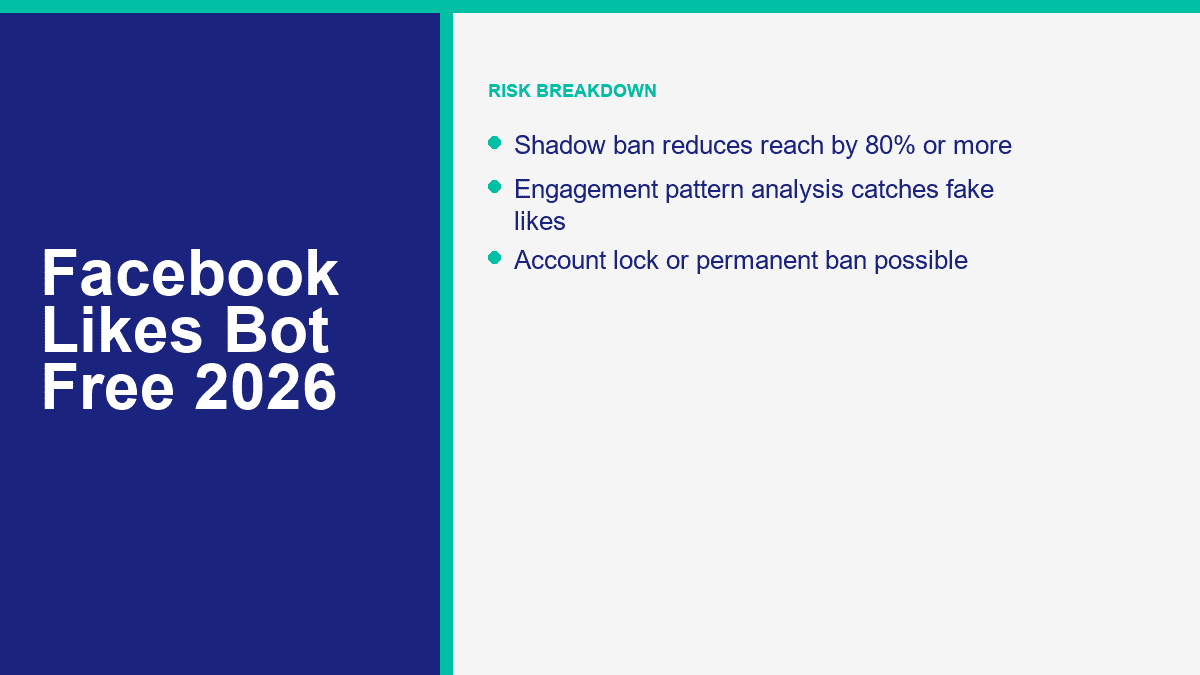
ملاحظة مهمة قبل الجدول: الـ الإعجابات/اليوم الأرقام أدناه هي نطاقات واقعية من المستوى المجاني بناءً على سير العمل العامة الحالية، والاعتمادات الابتدائية، وحدود العروض الترويجية، وكيفية تقديم هذه الأنظمة عادةً. إنها ليست ضمانات من البائع. في الممارسة العملية، تتغير سرعة التسليم بناءً على مدى علنية منشورك، وعدد الاعتمادات التي تنفقها، وما إذا كانت صفحتك تحتوي على قيود، وكمية الحركة النشطة التي يمتلكها الشبكة في تلك اللحظة.
| أداة | الطبقة المجانية | مستوى المخاطر | الإعجابات/اليوم | مخاطر حظر الحساب |
|---|---|---|---|---|
| Like4Like | 30 اعتمادًا ابتدائيًا، ثم كسب المزيد من خلال إكمال المهام | مرتفع | 10 إلى 40 | متوسط إلى عالي |
| Traffup | تبادل النقاط المجانية، مع ترقية PRO | مرتفع | 10 إلى 60 | متوسط إلى عالي |
| AddMeFast | نظام النقاط المجانية مع مزايدة CPC | عالي جداً | 10 إلى 80 | مرتفع |
| KingdomLikes | 50 نقطة تجريبية مجانية و اعتمادات تبادل | مرتفع | 20 إلى 100 | مرتفع |
| Upvote.club | 5 إجراءات مجانية و 13 نقطة بداية | متوسط إلى عالي | 5 إلى 25 | متوسط إلى عالي |
| LinkCollider | مجاني عبر تبادل الرموز، حزم الرموز المدفوعة متاحة | مرتفع | 5 to 40 | مرتفع |
| Mitwix | 30 to 50 free likes on a first order or first post | متوسط إلى عالي | 30 to 50 one-time | Medium |
| Free Liker | Coins, Android app, and token-style automation | Extreme | 20 to 200 | عالي جداً |
Like4Like Still Works for Vanity Numbers, Not for Real Page Health
كيف يعمل: Like4Like is the classic exchange model. Its Facebook Like help page still walks users through opening a Facebook like task in a popup, liking the page, waiting a few seconds, manually closing the popup, and confirming the action to earn credits. New users are pushed into a 30-credit startup bonus, then told to earn or buy more credits. The platform also emphasizes that it does not ask for passwords or cookie data and says it has a no-bot, no-macro, no-automation policy.
Risk level: High. Effectiveness: Moderate for moving the visible counter, weak for meaningful engagement. Our verdict: Like4Like is one of the cleaner-looking tools in this category, and that is exactly why people rationalize it. Here is the thing most guides skip: even if the clicks come from real humans, they are still point-motivated interactions from people who usually do not care about your page. If you are running a throwaway test on a disposable post, it can still deliver a small boost. If you are building a real brand, it is cosmetic traffic with an algorithmic hangover.
Traffup Is Fast Enough to Tempt You and Random Enough to Hurt Quality
كيف يعمل: Traffup asks you to sign up, add your Facebook page or post, assign points, and earn more points by liking other users’ listings or upgrading to PRO. Its current Facebook likes page still markets the service as a way to get likes within minutes from “thousands of real users,” while also stressing that it does not ask for a Facebook password or app permissions.
Risk level: High. Effectiveness: Moderate when your page is fully public and you assign enough points. Our verdict: Traffup can still move numbers on a post faster than some older exchange tools, which is why it keeps showing up in these conversations. But the core issue never changes: the likes are bought with attention-trading, not interest. For Pages targeting the Philippines, LATAM, or local US markets, random global engagement is usually worse than slower local growth because it makes your audience data noisier without improving conversions.
AddMeFast Is the Best Example of Why “It Works” Is Not the Same as “Use It”
كيف يعمل: AddMeFast runs on a points and CPC model. Its support docs still explain that Facebook posts must be public, visible to everyone, and have the like button visible before they can be submitted. The platform also tells users to remove geographic, demographic, and age restrictions and to increase CPC if they want faster delivery. That tells you a lot about how the engine works: it is a marketplace, not real discovery.
Risk level: Very High. Effectiveness: Moderate to strong on raw volume, weak on quality. Our verdict: AddMeFast remains one of the most recognized names because it can still push likes, but its own help center basically writes the warning label for you. It says it cannot guarantee speed, and it openly acknowledges that users lose likes when social networks perform cleanup sweeps. When the platform itself is explaining why your likes disappear after Facebook updates, you are not dealing with a sustainable growth method. You are renting fragile engagement.
KingdomLikes Looks Safer Than It Is
كيف يعمل: KingdomLikes positions itself as a polished social exchange network. It pushes a 50-point free trial, claims millions of members, highlights country targeting, and repeatedly insists that it uses real people and zero bots. On paper, that sounds better than the rougher exchange sites because you can at least try to segment by country.
Risk level: High. Effectiveness: Moderate to strong for cosmetic lift, especially if you are willing to grind or buy more points. Our verdict: Country targeting is the one feature here that makes people think they found the loophole. They did not. Targeted fake intent is still fake intent. A like from a random exchange user in Mexico is not magically valuable because your market includes Mexico. If your actual buyers are in Manila, Bogota, Los Angeles, or Miami, you need behavior that looks like local interest, not just geography-shaped noise.
Upvote.club Is More Modern, but the API Angle Makes Me More Cautious
كيف يعمل: Upvote.club gives users five free actions, 13 starter points, a task system, and a community model where members complete each other’s engagement requests. The platform also markets anti-bot moderation and real community members. That sounds responsible until you hit the part where it promotes a Facebook API for automating engagement tasks. That is where the service moves from small-scale exchange behavior into something much closer to systematized manipulation.
Risk level: Medium to High. Effectiveness: Low to moderate on the free tier, stronger if you start buying points or scaling tasks. Our verdict: If you compare only the interface, Upvote.club feels cleaner than most of this category. If you compare the underlying behavior, it is still a likes marketplace. The API claim is not a comfort signal. It is a reminder that the platform is trying to operationalize engagement, not earn it. For a serious Page, that is exactly the wrong direction.
LinkCollider Is an Old-School Token Exchange That Still Attracts Shortcut Hunters
كيف يعمل: LinkCollider uses tokens as internal currency. Its public token page still says users pay tokens to other users for tweets, likes, shares, followers, website traffic, and subscribers, and even shows live updates like “+1 Facebook Likes.” The paid side is transparent enough too: 10,000 tokens is marketed as roughly 400 social activities, with bigger token packs above that.
Risk level: High. Effectiveness: Low to moderate unless you spend real time or real money. Our verdict: LinkCollider is the old exchange-network playbook in plain form. It works just enough to make you think the system is clever. In reality, it spreads your effort across too many synthetic activity types. Facebook likes become one more traded unit in a token economy. If your page depends on clean trust signals, that is not where you want your engagement coming from.
Mitwix Is a Classic Free-Trial Funnel With One Useful Clue: The Offer Copy Is Inconsistent
كيف يعمل: Mitwix markets free Facebook likes through a simple trial flow. Its page says to use promo code WELCOME and promises 30 free likes in one part of the copy, while other parts of the same page talk about 50 free likes for new users. It says no password is required, pushes fast delivery, and then immediately upsells cheap paid likes packages.
Risk level: Medium to High. Effectiveness: Moderate for a one-time bump, weak beyond that. Our verdict: This is the kind of service many people think is safer because it does not make them grind credits. In one narrow sense, it is less messy than an exchange network. In the bigger sense, it is still selling synthetic social proof. The inconsistent 30-versus-50-free-likes copy is also its own warning sign. Serious growth tools do not usually get that basic promise sloppy on the landing page.
Free Liker Is the Closest Thing on This List to a “Get Banned” Shortcut
كيف يعمل: Free Liker pushes an Android app, a coin system, and Facebook auto tools. Its public marketing copy talks about earning or buying coins for likes, followers, comments, reactions, shares, and even posting across groups, pages, and friends’ timelines. The biggest red flag is in its privacy policy language, which says user information and tokens may be stored and even suggests it may use access tokens to post on users’ friends’ walls.
Risk level: Extreme. Effectiveness: Sometimes high on raw action volume, terrible on account safety. Our verdict: Hard no. This is not the category where you say, “Maybe I will test it on a side project.” When a tool openly describes itself as a Facebook auto-like website, talks about tokens, and hints at posting through stored access, the conversation is over. This is how a page owner turns a temporary engagement problem into an account-security problem.
Why Facebook Detects and Punishes Bot Likes Faster in 2026
Facebook’s enforcement in 2026 is not just about catching cartoonishly fake accounts anymore. It is about spotting patterns that do not behave like real attention. That is why low-quality bot likes can hurt you even when the likes technically come from humans.
Meta’s AI Systems Are Looking at More Than the Like Count
Meta has spent the last year talking more openly about advanced AI systems that analyze multiple signals to catch sophisticated abuse and scam patterns faster. That matters here because engagement manipulation rarely lives in isolation. It often travels with suspicious landing pages, repeated task structures, recycled accounts, or unnatural action timing. The more signals Meta can connect, the harder it is for shallow growth tools to hide behind a tidy landing page and the phrase المستخدمين الحقيقيين.
The practical takeaway is simple. Facebook does not need to prove you installed a classic bot. It only needs enough confidence that the likes pattern is misleading, low-quality, or attached to accounts and entities it should not recommend aggressively.
Engagement Pattern Analysis Exposes Fake Interest Fast
Real engagement has shape. A post that genuinely attracts likes usually earns at least some combination of comments, profile visits, shares, saves, follows, or Messenger inquiries. The ratios differ by niche, but there is usually a downstream effect. Bot likes and exchange likes often fail that test. They arrive in clumps, from people who never return, with no matching profile activity and no meaningful second action.
That is one reason random likes from the wrong countries can quietly weaken a page. If your Miami real-estate post suddenly gets a burst of likes from unrelated accounts and none of them click through to listings, ask a question, or watch your next Reel, Facebook learns that the visible reaction count does not equal real relevance. That is bad training data for your page.
Device, Browser, and IP Signals Add a Security Layer on Top
Meta also uses security systems that recognize devices, browsers, and unusual account activity. It sends alerts for unrecognized logins and can lock accounts when it sees activity that looks suspicious. That matters because the worst likes tools do not stop at giving you engagement. They also create login risk through access tokens, shared sessions, app permissions, or sudden activity from unfamiliar environments.
This is also why fake admin profiles and shared-account shortcuts are so dangerous. Meta explicitly requires authentic identity for people who manage Pages. If a shady growth service nudges you toward burner profiles, multiple accounts, or credential-sharing, you are stacking identity risk on top of engagement risk. That is how a free likes scheme becomes a bigger trust and recovery headache.
What Happens When Facebook Catches Bot Likes on Your Page
Most people imagine the only bad outcome is a dramatic permanent ban. Sometimes that happens. More often, the punishment is slower and more expensive because it damages reach before it kills the page.
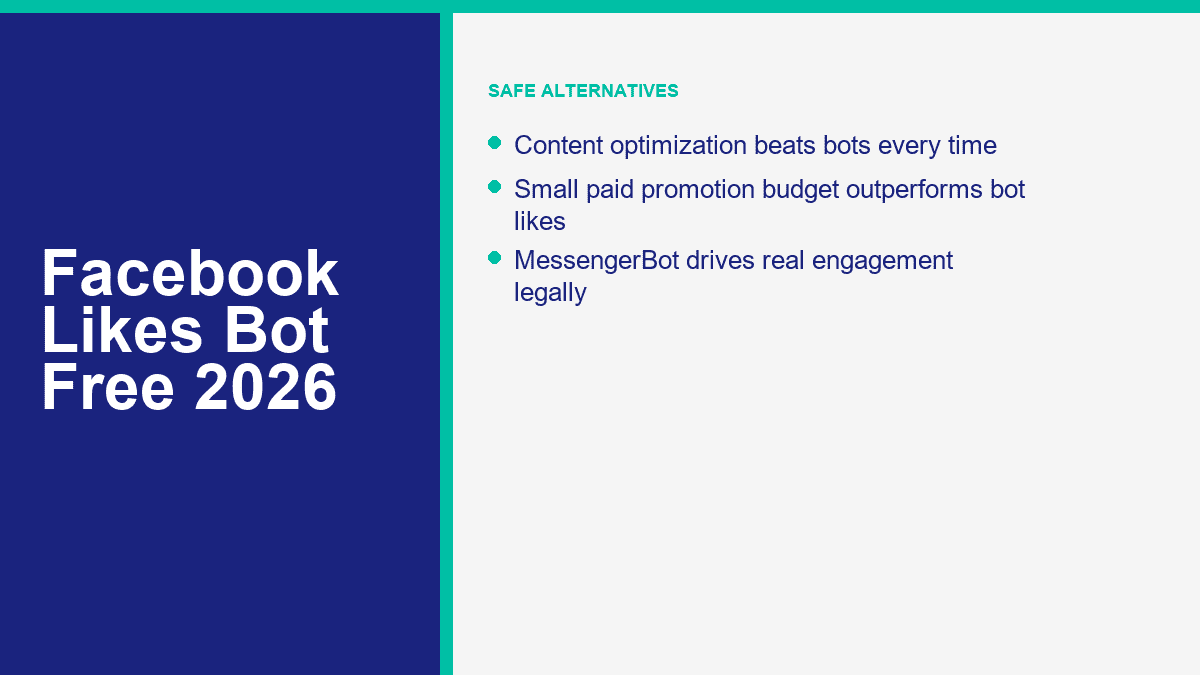
Your Page Can Lose Recommendation Reach Before You Ever See a Ban Screen
This is the soft version of a shadow ban, and it is often the most common outcome. Meta says accounts and entities that repeatedly use misleading practices to build followings, such as purchasing likes, may not be widely recommended. That means fewer “Suggested for You” moments, weaker discovery, less distribution to non-followers, and slower recovery on future posts. The page still looks alive on the surface, but organic momentum gets thinner.
Reach Reduction Usually Shows Up as Bad Post Economics
This is where page owners start saying, “Facebook is dead,” when the real issue is that they polluted the audience signal. You see a higher visible like count but weaker follow-through: fewer comments, fewer clicks, weaker Reel retention, lower share rate, and no lift in messages or leads. That is not just bad luck. It is what happens when a post collects reactions from people who do not behave like your future customers.
Temporary Locks and Verification Checks Can Interrupt the Whole Workflow
If Facebook sees unusual activity, you can get temporary locks, login challenges, identity checks, or feature restrictions. On a business page, that is not a minor annoyance. It can disrupt ad approvals, comment moderation, inbox management, scheduled content, and admin access. If you run customer support or lead generation through Facebook, even a short lockout can cost more than the likes were ever worth.
In Worse Cases, Pages Get Limits or Lose the Like Button Entirely
Meta’s own Help Center says Pages can have limits placed on them if they publish spam and that the Like button may be disabled on Pages determined to deceptively get likes. That is one of the clearest public warnings in this whole topic. If Facebook decides the page is gaming likes instead of earning them, it does not have to politely ignore you. It can remove the very feature you were trying to inflate.
The Permanent-Ban Scenario Usually Happens When Bot Likes Come With Bigger Abuse
Full disablement is more likely when fake likes are bundled with other violations: fake profiles, stolen sessions, repeated spam, token-based automation, phishing-style tools, or identity abuse. That is why the access-token and auto-post apps are so much more dangerous than a low-volume exchange network. They are not just manipulating one metric. They are crossing into behavior Facebook’s security and integrity systems are designed to kill.
Safe Alternatives That Grow Real Facebook Likes
If the honest review so far sounds harsh, that is because this category deserves harshness. The good news is that the safe alternatives are not vague motivational fluff. They are practical, repeatable, and much better for businesses in the Philippines, LATAM, and the US.
Content Optimization Beats Artificial Social Proof Almost Every Time
The easiest safe lift usually comes from fixing the page and the post before you publish. Tighten the page bio, write a pinned post that explains why someone should follow, improve the cover image, and stop posting generic updates that have no payoff in the first line. A surprising amount of “I need more likes” is really “my post gives people no reason to react.”
For business pages, I like three post types because they reliably earn real likes without weird growth tricks: short mistake lists, before-and-after proof, and opinion posts that take a clear stand. A salon can post “3 haircut booking mistakes that waste appointment slots.” A US roofer can post “The one insurance question homeowners ask too late.” A Mexican skincare shop can post “3 errores que hacen que tus anuncios se vean baratos.” Those are not algorithm hacks. They are just stronger posts.
Reels Are Still the Fastest Free Way to Earn Likes from New People
If you want a free channel that still creates discovery, Facebook Reels remains the strongest answer. Not because video is magical, but because it gives Facebook a reason to test your content beyond your existing audience. Short problem-solution clips, myth-busting posts, quick demos, and local tips can all outperform static posts if the first second is strong.
Localization matters here. Filipino audiences often respond well to direct English or Taglish hooks if the page already speaks that way. LATAM audiences usually reward Spanish-first hooks or subtitles instead of clumsy auto-translations. US audiences tend to respond better to faster, sharper benefit-led framing. The same underlying lesson can travel globally, but the packaging should not stay generic.
Niche Communities and Real Engagement Groups Still Help When They Are Actually Communities
I want to separate real communities from spammy engagement pods. A legitimate niche group of local business owners, creators, hobbyists, or customers can absolutely help you grow likes if you show up with useful content. A forced “everyone comment fire under each post” circle is just another synthetic engagement machine with nicer branding.
The safe version is simple: join groups where your audience already talks, answer questions well, post case studies, and reference your page naturally when it fits. If you run a bilingual or cross-border brand, speak the language the room is already using. Useful participation earns real profile visits. Point-trading does not.
A Small Paid Boost on a Proven Post Is Much Safer Than a Free Likes Bot
Here is the honest free-versus-paid comparison most low-quality guides avoid: if you have even a tiny budget, spending $5 to $15 a day for a few days on a post that is already getting real saves, comments, or profile visits is far safer than using a free likes tool. One is legitimate distribution to a real audience. The other is artificial signal shaping.
The key is to boost content that already shows signs of life. Do not pay to force weak content into more feeds. Pick a Reel or post that already gets good watch time, profile clicks, or comments, then amplify it to a geo-relevant audience. For a local page in Cebu, target Cebu. For a US service business, target the metro area that actually buys. For a LATAM ecommerce brand, test country-level creative instead of blasting one generic ad everywhere.
The 30-Day Replacement Plan That Beats Free Likes Bots
- Fix your profile conversion first. Update the bio, cover, pinned post, and CTA so visitors know exactly why they should care.
- Publish 4 to 6 Reels per week. Each Reel should solve one problem, show one proof point, or answer one recurring question.
- Post 2 feed pieces weekly that invite a real opinion. Mistakes, comparisons, checklists, and before-and-after posts usually work better than generic announcements.
- Spend 15 minutes a day inside relevant groups or comments. Leave smart replies where your audience already hangs out instead of chasing blind likes.
- Boost one proven post with a small budget. Use geography and language deliberately rather than paying for random global reactions.
- Track profile visits, messages, and follower growth, not just likes. If the likes go up but no one clicks, the tactic is bad.
How to Check If Your Facebook Engagement Is Real or Bot-Generated
If you already used a growth tool, or inherited a page from someone else, you can still audit what is going on. You do not need an advanced forensics setup. You just need to compare the likes against the rest of the page behavior.
- Check geography against your market. If your customers are in the Philippines and your likes suddenly cluster in unrelated countries with no messages or orders, that is a warning.
- Compare likes to profile visits. Real interest usually creates some click-through. If likes jump and profile visits stay dead, the reactions are low-quality.
- Compare likes to comments and shares. Not every post gets comments, but a healthy page rarely gets big reaction spikes with zero downstream behavior forever.
- Look at timing. Forty likes landing in a tight burst, then total silence, often signals an exchange or delivery service rather than normal discovery.
- Review the accounts reacting. Blank profiles, weak activity, generic names, or accounts that never appear again are not the audience you want training the algorithm.
- Watch for drop-offs over 7 to 14 days. If reactions disappear, that usually means the likes were weak, reversible, or cleaned up.
- Measure business actions. The metric that matters is whether likes correlate with DMs, comments, bookings, product clicks, or page follows.
A quick audit I use is to pull the last 10 posts and note reach, reactions, comments, shares, profile visits, follows, and messages. If one post has abnormally high likes but no lift in any other action, treat that number as decorative, not meaningful. That is usually the clearest sign you are looking at manipulated or low-intent engagement rather than real audience growth.
Using MessengerBot for Legitimate Facebook Page Engagement
Likes are not useless. They are just not the end goal. What matters is whether those likes turn into comments, questions, inbox activity, leads, or sales. That is where MessengerBot fits the safe side of this conversation, because it is not trying to fake interest. It helps you respond when real interest shows up.
The first practical use is auto-replies to comments. If you run posts that invite people to comment “price,” “menu,” “details,” “quote,” or “guide,” MessengerBot can help route that intent into Messenger instead of leaving it buried in the comment thread. That is a real engagement system, not a vanity metric trick.
The second is the Messenger welcome sequence. When somebody visits your page after a Reel, ad, or organic post and sends a message, you can greet them immediately, offer a menu of next steps, and route them by language, intent, or location. That matters a lot for global pages. A business serving the Philippines, LATAM, and the US can use English-first flows, Spanish variations, and clear handoff paths instead of treating every inbound message the same way.
A clean setup usually looks like this:
- Comment-trigger replies: turn high-intent comments into a next step instead of a dead thread.
- Welcome sequences: greet new message senders instantly with pricing, FAQs, booking links, or catalog options.
- توجيه العملاء المحتملين: separate buyers, support requests, and casual inquiries before the inbox gets messy.
- تحويل إلى إنسان: move real sales or support conversations to a person when automation should stop.
That is the sustainable version of Facebook engagement. Instead of paying strangers to click Like, you create content that earns attention and a message flow that captures it. If you want to compare feature limits before building that out, عرض تسعير MessengerBot.
Stop Chasing Fake Likes and Build Facebook Engagement That Compounds
Free Facebook likes bots can still move a counter. That is the only good thing I can say about most of them. They do not build trust, they rarely improve sales, and the risk climbs fast once tokens, access, or scaled automation enter the picture. If you want the safer growth play, start with دليلنا الكامل لنمو المتابعين. If you are ready to turn real comments and DMs into structured follow-up instead of vanity metrics, عرض تسعير MessengerBot.
الأسئلة الشائعة
هل من الآمن استخدام روبوتات الإعجاب المجانية على فيسبوك في عام 2026؟
عادةً لا. النسخ ذات المخاطر المنخفضة هي أدوات تبادل الائتمان التي لا تطلب كلمات المرور أو الرموز، ولكن حتى تلك لا تزال تخلق تفاعلًا مصطنعًا ويمكن أن تضر بجودة التوصيات. النسخ ذات المخاطر العالية هي تطبيقات الإعجاب التلقائي أو الأدوات المعتمدة على الرموز التي تطلب وصولاً أعمق إلى الحساب. يمكن أن تخلق تلك مخاطر التفاعل ومخاطر أمان الحساب.
هل يمكن لفيسبوك اكتشاف إعجابات الروبوتات على صفحتي؟
Yes. Facebook does not only look for obvious fake accounts. It can evaluate misleading growth behavior through recommendation rules, abnormal engagement patterns, suspicious activity, and broader account-quality signals. In 2026, that means even “real user” exchange likes can still be treated as manipulated engagement if the pattern looks unnatural.
ما هي الطريقة الأكثر أمانًا للحصول على المزيد من الإعجابات على فيسبوك مجانًا؟
أكثر الطرق أمانًا المجانية هي توزيع المحتوى بشكل أفضل: تحسين الصفحة، نشر المزيد من الريلز، نشر محتوى واضح يحل المشكلات، المشاركة في المجتمعات المتخصصة، وتوطين العناصر الجذابة لسوقك الحقيقي. تتطلب هذه الطرق جهدًا أكبر من الروبوت، لكنها تبني نوع الإعجابات التي يمكن أن تتحول أيضًا إلى متابعين، وتعليقات، ورسائل، ومبيعات.
هل سيؤدي استخدام بوت الإعجابات إلى حظر حسابي على فيسبوك؟
يمكن أن يحدث ذلك، ولكن النتيجة الأكثر شيوعًا هي الأضرار الطفيفة أولاً: تقليل الوصول، وضعف رؤية التوصيات، فحوصات تسجيل الدخول، حدود الميزات، أو قيود الصفحات. يرتفع خطر الحظر بشكل حاد عندما تتضمن أداة الإعجاب أيضًا حسابات مزيفة، رموز وصول، تطبيقات مشبوهة، أو أتمتة متكررة. لهذا السبب، تعتبر أدوات الإعجاب التلقائي المعتمدة على الرموز أكثر خطورة بكثير من شبكات التبادل ذات الحجم المنخفض.
كم عدد الإعجابات في اليوم هو أمر طبيعي على فيسبوك؟
لا يوجد رقم عالمي لأن الطبيعي يعتمد على حجم الصفحة، والتخصص، والصيغة، والتوزيع. قد ترى صفحة خدمة محلية من 5 إلى 30 إعجاب حقيقي على منشور قوي، بينما يمكن أن يكسب مقطع فيديو قصير يحقق نجاحًا مئات أو آلاف الإعجابات. المعيار الأكثر صحة ليس الإعجابات الخام في اليوم. بل هو ما إذا كانت الإعجابات تأتي جنبًا إلى جنب مع التعليقات، وزيارات الملف الشخصي، والمشاركات، والمتابعات، والرسائل من الجمهور المناسب.



 العربية
  English
  Tagalog
  简体中文
简体中文  हिन्दी
  Português do Brasil
  Español de México
  Français
  বাংলা
বাংলা  香港中文
香港中文  繁體中文
繁體中文  Nederlands
  Deutsch
  Bahasa Indonesia
  日本語
日本語  한국어
한국어  Polski
  Русский
  Español
  Tiếng Việt