
Sebagian besar bisnis masih menanyakan pertanyaan yang salah tentang chatbot. Mereka bertanya apakah mereka benar-benar membutuhkan bot, atau alat mana yang memiliki demo terbaik, atau apakah AI akhirnya cukup baik untuk terdengar manusia. Pertanyaan yang lebih baik lebih sederhana: percakapan mana yang sedang merugikan uang saat ini?
Chatbot yang hanya menjawab FAQ umum tidak banyak berfungsi sebagai sistem pendapatan. Chatbot yang memenuhi syarat pembeli, merekomendasikan produk yang tepat, menjadwalkan demo, mengonfirmasi reservasi, mengarahkan dukungan, mengumpulkan survei, mengejar prospek dingin, dan menyerahkan percakapan bernilai tinggi dengan konteks penuh adalah hal yang sangat berbeda. Itu bukan trik. Itu adalah leverage operasional.
Ekonomi lebih jelas pada tahun 2026 dibandingkan setahun yang lalu. HubSpot mengatakan bahwa Customer Agent-nya menyelesaikan 65% percakapan di lebih dari 8.000 pelanggan yang diaktifkan dan sekarang dipatok pada $0,50 per percakapan yang diselesaikan. Intercom mengatakan Fin menyelesaikan rata-rata 67% pertanyaan pelanggan. Penelitian layanan mandiri ContactBabel pada akhir 2025 mengatakan interaksi layanan mandiri dapat menghabiskan biaya sekitar $0,15 dibandingkan dengan $7,16 untuk interaksi telepon. Ketika selisihnya begitu lebar, fase “haruskah kita menguji chatbot?” berakhir dengan cepat.
Harga, halaman vendor, dan angka studi kasus yang disebutkan dalam panduan ini telah diperiksa terhadap halaman publik pada 10 April 2026. Fokus di sini adalah bisnis di AS dan Inggris: merek ecommerce, agensi, tim SaaS, operator layanan lokal, klinik, gym, restoran, dan tim dukungan kecil yang menginginkan peningkatan yang terukur, bukan mainan AI lainnya. Dari sisi pelanggan, banyak alur ini hampir tidak memerlukan pendaftaran karena percakapan dimulai di tempat mereka berada. Dari sisi bisnis, Anda tetap memerlukan pengalihan yang bersih, konten sumber, dan pengukuran jika Anda menginginkan ROI yang nyata.
Mengapa 25 Kasus Penggunaan Chatbot Lebih Penting Daripada Daftar Top-5 Lainnya
Daftar lima kasus penggunaan baik jika Anda menginginkan gambaran ringan. Mereka lemah jika Anda benar-benar mencoba memutuskan di mana menempatkan anggaran, alur kerja mana yang harus diluncurkan terlebih dahulu, dan bagaimana membenarkan pembangunan kepada pendiri, pemimpin operasional, atau tim keuangan. Perbedaan antara chatbot yang berguna dan buang-buang waktu hampir tidak pernah hanya pada modelnya. Itu adalah pemilihan kasus penggunaan.
Sebuah klinik lokal tidak memerlukan alur yang sama seperti toko Shopify. Sebuah perusahaan SaaS B2B tidak boleh memulai dengan chatbot yang sama seperti restoran atau agensi beranggotakan 20 orang. Beberapa kasus penggunaan menghemat tenaga kerja terlebih dahulu. Beberapa menciptakan saluran terlebih dahulu. Beberapa melindungi pendapatan yang dipesan dengan mengurangi ketidakhadiran. Lainnya meningkatkan nilai pesanan rata-rata atau memperpendek waktu antara minat dan tindakan. Itulah mengapa daftar yang lebih panjang bukanlah hal yang tidak penting di sini. Ini adalah bagaimana Anda mencocokkan bot dengan hambatan yang sudah ada di dalam bisnis Anda.
| Kategori | Titik bukti era 2026 publik | Apa yang biasanya berubah pertama | Mengapa itu penting secara komersial |
|---|---|---|---|
| Layanan pelanggan | ContactBabel mengatakan biaya layanan mandiri sekitar $0,15 dibandingkan $7,16 untuk interaksi telepon; HubSpot mengatakan Customer Agent menyelesaikan 65% percakapan | Biaya per kontak dan waktu respons pertama | Mengalihkan bahkan beberapa ratus kontak repetitif dalam sebulan dapat melindungi ribuan dalam pengeluaran dukungan |
| Penjualan | Studi kasus Copper dari Intercom melaporkan konversi situs web 13% lebih tinggi, 19 peluang baru, dan $36.000 dalam ARR ditambahkan ke pipeline dalam satu bulan | Kualitas prospek, volume pertemuan, dan kecepatan ke pipeline | Kualifikasi dan pemesanan cepat menghentikan pembeli dengan niat tinggi dari beralih ke pesaing |
| Pemasaran | CM.com mengatakan CTR 45% hingga 60% adalah umum dalam pemasaran percakapan, dan Landbot mengatakan Lead Laundry membantu seorang klien membangun dana yang dikelola sebesar $100 juta AUD dari prospek yang dihasilkan dan memenuhi syarat oleh chatbot | Tingkat keterlibatan dan tindakan langkah selanjutnya | Obrolan memperpendek jalur antara minat dan klik, RSVP, pemesanan, atau pembelian yang benar-benar penting |
| SDM dan operasi internal | HR Microsoft melaporkan peningkatan throughput kasus sebesar 20%; Moveworks mengatakan dukungan HR otomatis dapat menghemat $2,2 juta selama tiga tahun dalam studi komposit Forrester | Jam yang dipulihkan dan kecepatan penanganan kasus | Bot internal biasanya memberikan pengembalian dalam kapasitas tenaga kerja sebelum mereka muncul sebagai pendapatan langsung |
| Pemesanan spesifik industri | Cerita Commure Twilio melaporkan tingkat tidak hadir 54% lebih rendah; Glofox mengatakan Origin Fitness meningkatkan pemesanan 83% | Pendapatan yang dipesan, kehadiran, dan pemanfaatan kapasitas | Untuk bisnis yang dipimpin oleh janji, satu slot yang diselamatkan sering kali lebih berharga daripada prospek teratas lainnya |
Alasan lain mengapa 25 kasus penggunaan itu penting: satu chatbot dapat menangani beberapa pekerjaan setelah alur kerja sempit pertama berhasil. Bot Messenger yang dimulai sebagai otomatisasi FAQ dapat menjadi pengumpulan prospek, pemesanan janji, pengumpulan survei, dan keterlibatan ulang di kemudian hari. Namun, perluasan itu hanya berhasil jika kasus penggunaan pertama dipilih dengan baik. Jika volume prospek adalah masalah utama Anda, mulailah dengan panduan chatbot generasi prospek setelah artikel ini. Jika kebocoran adalah dukungan yang berulang, titik awalnya berbeda.
6 Kasus Penggunaan Chatbot Layanan Pelanggan yang Mengurangi Biaya dan Melindungi Pendapatan
Layanan pelanggan adalah tempat banyak tim melihat ROI chatbot pertama kali karena perhitungannya sangat praktis. Jika layanan mandiri dapat mendekati sen dan dukungan telepon manusia berada dalam dolar, Anda tidak perlu peluncuran perusahaan besar untuk membenarkan eksperimen tersebut. Anda membutuhkan antrean dengan pengulangan di dalamnya. Bot dukungan juga lebih sering melindungi pendapatan daripada yang diakui orang, karena banyak obrolan “dukungan” sebenarnya adalah pertanyaan pra-pembelian yang menyamar.
Angka kinerja publik mendukung hal itu. HubSpot mengatakan Customer Agent menyelesaikan 65% percakapan. Intercom mengatakan Fin menyelesaikan rata-rata 67% pertanyaan pelanggan. Tidio mengatakan Lyro menyelesaikan 67% permintaan dukungan. Itu adalah angka yang dilaporkan vendor, bukan jaminan universal, tetapi mereka memberi tahu Anda bahwa batas atas tidak lagi bersifat teoretis. Jika dukungan adalah hambatan terbesar Anda, simpan panduan chatbot layanan pelanggan di dekat Anda saat Anda memetakan alur pertama.
Otomatisasi FAQ yang Menjawab 10 Pertanyaan Teratas Sebelum Sampai ke Manusia
Ini adalah kasus penggunaan dukungan tercepat untuk diluncurkan karena Anda sudah mengetahui kontennya. Jam buka, jendela pengembalian, area layanan, aturan ukuran, dasar-dasar onboarding, metode pembayaran, pemeriksaan kelayakan, dan pertanyaan “bagaimana cara saya mulai?” bukanlah kasus pinggiran. Mereka adalah lalu lintas berulang. Chatbot bekerja paling baik di sini ketika jawabannya singkat, disetujui, dan terhubung ke tindakan berikutnya alih-alih dinding teks. Kemenangannya bukan hanya mengurangi tiket. Ini adalah layanan yang lebih cepat bagi orang-orang yang seharusnya menunggu untuk sesuatu yang sederhana.
Pelacakan Pesanan yang Menghilangkan Pesan “Di Mana Pesanan Saya?” Secara Besar-Besaran
Pertanyaan status pesanan menyumbat dukungan karena mereka mendesak bagi pelanggan dan repetitif bagi tim. Bot pelacakan dapat meminta nomor pesanan, memverifikasi identitas jika diperlukan, menarik status pengiriman, menjelaskan tahap pengiriman saat ini, dan mengarahkan kasus kerusakan atau kehilangan yang jarang kepada seseorang. Tim e-commerce harus menganggap ini sebagai salah satu kemenangan chatbot dengan kepercayaan tertinggi karena jawabannya faktual, pengguna menginginkannya dengan cepat, dan nilai pengalihan muncul segera.
Alur Pengembalian dan Pertukaran yang Mengumpulkan Informasi yang Tepat Sebelum Penyerahan
A bot should not improvise policy on returns. It should enforce the rules you already have. That means confirming purchase date, item, reason, order ID, and the right next step. For a lot of businesses, the real savings come from pre-triage rather than full automation. If the bot captures everything the agent needs before takeover, you shorten handle time and reduce the back-and-forth that makes returns expensive.
Shipping and Delivery Support That Saves Sales Before the Purchase Happens
Shipping questions often get misclassified as post-purchase support when they are really conversion blockers. “Do you ship to Manchester?” “Can this arrive before Friday?” “Is next-day available in Texas?” Those are buying-intent questions. A chatbot that can answer delivery windows, service zones, cutoff times, and pickup options does more than protect the inbox. It removes the uncertainty that causes shoppers to keep browsing instead of checking out.
Technical Support Triage That Narrows the Problem Before the Engineer Sees It
A bot is rarely the whole technical support layer, but it is extremely useful as the first filter. It can ask for device type, browser, app version, subscription level, error message, and what the user already tried. That gives the human or engineering queue a clean starting point. If your product or service has recurring setup issues, the bot can also surface known fixes instantly instead of forcing every user into the same slow escalation path.
Escalation Routing That Knows When a Human Should Take Over Immediately
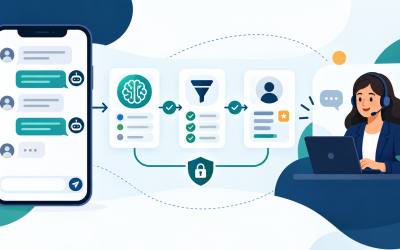
The best support bot is not the one that traps the user longest. It is the one that knows when not to pretend. Billing disputes, angry customers, compliance issues, VIP accounts, cancellations, and novel technical failures should trigger a fast handoff with transcript history attached. This is where support automation protects revenue indirectly. A bad handoff creates churn, public complaints, and refund pressure. A good handoff protects the relationship.
6 Sales Chatbot Use Cases That Turn Website Traffic Into Pipeline
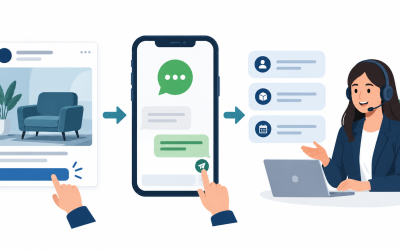
Sales chatbots work when they reduce delay at a moment of intent. Static forms are passive. A good sales bot can answer the first question, qualify the lead, capture context, book the meeting, and push the record into your CRM while the visitor is still actively evaluating. That is why the Intercom and Copper case study still matters: compared with forms, Copper saw a 13% higher website conversion rate, 19 new sales opportunities, and $36,000 in ARR added to pipeline in the first month.
Lead Qualification That Filters Out Low-Fit Traffic Before Sales Touches It
This is the classic sales use case because it fixes the biggest waste first: humans spending time on the wrong leads. A qualification bot should ask only the questions that change routing, such as company size, budget range, urgency, location, use case, or role. Anything else is friction. The goal is not to build a seven-step quiz. The goal is to get one cold visitor into the right bucket faster than a form can.
Product Recommendation Flows That Sell Like a Guided Conversation
Shoppers and buyers do not always want to browse your full catalog or pricing matrix. Sometimes they want the fast path to the right option. A recommendation bot asks preference questions and narrows the choice set. Landbot’s public Emma case study is a strong example: Emma’s product-finder chatbot produced 122% of orders per product-finder user versus regular website users and increased average order value by 18%. Guided selling works because it reduces decision fatigue before purchase intent cools off.
Demo Booking That Converts Interest Before Calendar Friction Kills It
If someone asks for a demo, pricing walkthrough, or consult call, the bot should not dump them into email limbo. It should confirm fit, collect the minimum context the rep needs, and offer live calendar slots immediately. This use case is especially strong for agencies, SaaS, software consultancies, and service businesses with a short sales cycle. Every extra reply between “I’m interested” and “here is a time” costs meetings.
Upsell Flows That Surface the Higher-Value Option at the Moment of Intent
Upsell bots are most effective when the customer already revealed what they need. If someone is comparing plans, the bot can explain why the next tier matters for team size, integrations, reporting depth, or onboarding speed. If someone is buying equipment, the bot can recommend the bundle, the premium variant, or the faster-shipping option. The key is relevance. Upselling works when it feels like decision support, not a hard sell script.
Cross-Sell Flows That Increase Basket Size Without Making the Experience Heavier
Cross-sell is the next logical product, not just more products. Accessories, setup services, warranties, refill plans, add-ons, or adjacent categories work best when the bot can explain why they fit the original purchase. This is another reason recommendation bots matter for revenue. They are not just helping the buyer choose. They are shaping the total order value by putting the obvious companion offer in front of the right person at the right time.
Instant Price Quote Bots That Stop High-Intent Buyers From Leaving for Basic Answers
Many businesses still make people submit a form just to learn whether the project is in the hundreds, thousands, or tens of thousands. That is unnecessary friction. A quote bot can gather the parameters that actually affect price, return a guided estimate or price band, and then route serious buyers to a call. For service businesses, home services, agencies, SaaS, and local operators, this use case often wins because it turns vague interest into commercial clarity fast.
5 Marketing Chatbot Use Cases That Turn Attention Into Action
Marketing bots are not there to spam harder. They are there to shorten the gap between curiosity and next step. That is why conversational performance benchmarks still matter. Mailchimp’s public benchmark page puts average email opens at 35.63% across all users and 29.81% for ecommerce, with average click rates of 2.62% and 1.74%. CM.com says 45% to 60% CTR is common in conversational marketing. Landbot’s Lead Laundry case study adds the money angle: a chatbot-led qualification process lifted conversion rates by 35%, improved lead quality by more than 50%, and helped one long-term client build a $100 million AUD managed fund from chatbot-generated and qualified leads.
Welcome Sequences That Segment New Subscribers in the First Minute
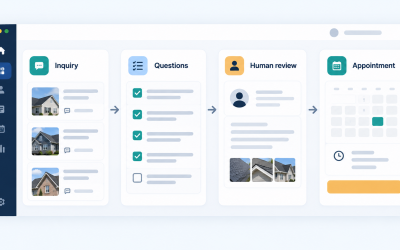
A welcome bot should not introduce your brand like a brochure. It should ask why the person is here and route them accordingly. Pricing, support, demo, booking, content, event info, and product help are very different intents. When the welcome flow sorts people early, every later campaign gets smarter because the audience is already tagged by real behavior rather than guessed from a form field.
Content Delivery That Turns a Lead Magnet Into a Two-Way Conversation
Most downloadable content still ends on a thank-you page and then disappears into email follow-up. A chatbot can deliver the guide, checklist, template, or video inside the conversation, then ask the one follow-up question that reveals real intent. Do they want pricing next? A case study? A tutorial? A quick consult? That is how content becomes a qualification tool instead of a passive list-building exercise. If ecommerce is your main channel, the branching ideas in the panduan chatbot ecommerce are worth stealing for product education and post-click nurture.
Event Promotion Flows That Answer Objections Before Someone Drops the Registration Page
Event signups fall apart on small uncertainties: schedule, location, agenda, format, ticket types, reminders, or who the event is really for. A chatbot can handle those questions in real time and push the visitor toward RSVP or purchase while the session is still active. ChatBot.com’s B2B Marketing Ignite case study is useful here: the event bot achieved a 3.3% greeting conversion rate on the US site and tracked 22% goal achievement from 95 chats. That is not magic. It is just faster objection handling.
Survey Bots That Capture Feedback While the Experience Is Still Fresh
Survey flows work best when they stay short and actionable. Survicate’s help documentation says mobile surveys tend to reach the highest response rate at around 30%, and its survey-length guidance says 1 to 3 questions is the sweet spot before completion drops. That maps perfectly to chat. Ask one question that tells you what to do next, branch only when the answer changes the follow-up, and stop before the survey becomes work.
Re-Engagement Campaigns That Restart Conversations Without Leading With a Discount
Warm audiences do not always need a coupon first. They often need relevance first. A re-engagement bot can ask whether the person still needs the product, wants the new version, wants reminders later, or needs help choosing. That kind of branching beats generic “we miss you” campaigns because it creates a reason for the next message. The main goal is not to resurrect every contact. It is to wake up the ones still close to a decision.
4 HR and Internal Chatbot Use Cases That Recover Team Capacity
Internal bots do not always show up as top-line revenue immediately, but they absolutely change economics. Microsoft says its HR organization increased employee case throughput by 20% after adopting Dynamics 365 Customer Service with Copilot. Leena AI says customers cut the volume of HR service requests handled manually by 70%. Moveworks’ Forrester-commissioned study adds the money view: automated HR support contributed up to $2.2 million in savings over three years for the composite organization, alongside 90,000 productivity hours reclaimed annually across support workflows. That is the right lens for internal chatbots. They pay back in hours, speed, and avoided hiring pressure before they ever show up as flashy revenue.
Employee Onboarding Bots That Handle Day-One Questions Without HR Repeating Everything
New hires always ask the same core questions: where to find forms, how benefits work, when training starts, how to request access, where policy docs live, who to contact, and what happens this week. An onboarding bot can answer those in real time and push people toward the right checklist or ticket when action is needed. That makes onboarding feel organized without requiring HR to manually repeat the same guidance for every hire.
Internal FAQ Bots for PTO, Payroll, Benefits, Policies, and Basic Compliance
This is the internal version of customer-service FAQ automation, and it is usually just as valuable. Employees do not want to open a ticket to learn how holiday accrual works or where to update a tax form. A good internal bot serves as the front door to approved policy answers. The important part is governance. Internal bots need permissions, identity-aware answers, and clean source material because bad HR answers create trust problems fast.
Training Assistants That Deliver the Right Learning Prompt at the Right Moment
Training content gets ignored when it lives in a portal nobody opens. A chatbot can deliver short, role-specific training prompts, reminders, refreshers, knowledge checks, and links to the exact module the employee needs. This works especially well for process-heavy teams, distributed support teams, and businesses that update procedures frequently. Instead of asking people to search a learning library, the bot brings the right answer into the workflow.
Feedback Collection Bots That Surface Friction Before It Turns Into Attrition
Internal feedback is easier to collect in chat than in long anonymous forms people postpone forever. Pulse checks, onboarding feedback, manager feedback, training satisfaction, and process pain points all work well when the questions are short and the branch logic is useful. This use case does not just collect sentiment. It gives ops, HR, and leadership a cleaner signal about where employees are getting stuck.
4 Industry-Specific Chatbot Use Cases That Solve Booking and Qualification Problems Fast
General chatbot advice gets weak when the workflow is specific. Healthcare has compliance and no-show economics. Real estate has lead quality problems and after-hours inquiries. Restaurants lose reservations when the floor is too busy to answer the phone. Fitness businesses lose revenue when class spots stay open or no-shows waste capacity. The use cases below work because the workflow is concrete and the money leak is easy to see.
Healthcare Appointment Booking and Reminder Bots That Reduce No-Shows
Healthcare scheduling bots work best when they handle booking, reminders, confirmations, reschedules, prep instructions, and basic location questions inside one flow. Twilio’s Commure customer story is one of the clearest public signals here: Commure reported a 54% reduction in no-show rates for preventive care screenings, plus a 56% reduction in readmission rates for patients on a cardiology monitoring program. For any appointment-led business, fewer no-shows is protected revenue, not just better operations.
Real Estate Qualification Bots That Sort Buyers, Sellers, Renters, and Landlords Early
Real estate teams lose time when every inquiry lands in the same inbox. A chatbot can ask whether the person is buying, selling, letting, renting, or booking a viewing, then collect the information that makes follow-up worth doing. Landbot’s Choices case study is a strong example from the UK market: its AI WhatsApp chatbot reached a 9% conversion rate from lead generated to appointment booked and engaged with more than 230 landlords in two months. That is exactly what this use case is for.
Restaurant Reservation Bots That Confirm Bookings While Staff Focus on Service
Restaurants do not need more missed calls during dinner service. They need fast confirmation, modification, and waitlist handling. Twilio’s Resy customer story shows the scale of the problem and the scale of the solution: Resy now supports more than 35 million registered users, 16,000-plus restaurants, and 21 million messages sent monthly while automating reservation confirmations and updates. The operational lesson is obvious. When booking traffic is handled automatically, staff can focus on guests who are actually in the room.
Fitness Class Booking Bots That Fill More Spots and Cut No-Shows
Gyms and studios have a simple revenue problem: empty spots and late cancellations waste fixed capacity. A booking bot can answer schedule questions, recommend the right class, collect payment, confirm attendance, and handle reminders or reschedules. Glofox’s Origin Fitness case study remains a clean example: the business reported 83% increased bookings, 70% reduced no-shows, and 96% of payments going through the app. In fitness, convenience is not cosmetic. It changes how full the timetable gets.
How to Pick the Right Chatbot Use Case for Your Business
The best first chatbot is rarely the flashiest one. It is the one attached to a repeated conversation, a clear next step, and a KPI you can verify inside two weeks. If you skip that discipline, the project turns into “AI exploration” and nobody knows whether it worked.
- Start with the conversation you already answer every week. Pull real inbox examples from Messenger, live chat, email, comments, or tickets. Do not brainstorm imaginary demand.
- Pick one business outcome. That might be fewer tickets, more booked demos, higher AOV, fewer no-shows, or more qualified leads. One bot can expand later, but the first version needs one north-star KPI.
- Choose the channel where intent already exists. If customers message you on Facebook, build there first. If high-intent buyers arrive on the pricing page, start on the website. If bookings happen by phone, add automated reservation handling.
- Write escalation rules before you write the script. Decide what the bot should never improvise, who should receive handoffs, and what information must be collected before takeover.
- Measure unit economics honestly. Use the value of a resolved ticket, a booked appointment, a saved slot, or a qualified lead. Planning math is enough if the assumptions are explicit.
- Launch narrow, then tune. The first version should handle one cluster of questions well. Review transcripts weekly, remove dead ends, and add missing answers.
- Expand only after the first use case pays. Once the bot proves itself on one workflow, then add the next layer such as upsell, survey capture, or re-engagement.
| If you run this kind of business | Start with this chatbot use case | Why it usually pays fastest |
|---|---|---|
| toko Ecommerce | Order tracking, FAQ automation, or product recommendations | The questions are repetitive, the revenue path is short, and support plus sales both benefit |
| B2B SaaS or agency | Lead qualification or demo booking | Sales time is expensive and lead response speed changes pipeline quality fast |
| Clinic or appointment-led service business | Booking plus reminders | Reduced no-shows protect booked revenue immediately |
| Restoran | Reservation confirmation and modification | It frees staff time and reduces missed bookings during service hours |
| Internal ops or HR team | Employee FAQ and onboarding | The same questions repeat constantly and the productivity payoff is visible quickly |
A simple ROI frame keeps the decision grounded: (useful outcomes x value per outcome) – software and maintenance cost. For support, the outcome is resolved or deflected contacts. For sales, it is qualified leads or booked meetings. For appointments, it is saved show-ups. For ecommerce, it is orders, average order value, and recovered abandoned intent. If the current leak is obvious, the first chatbot use case usually is too.
The Best First Bot Is the One You Can Measure in 14 Days
If you want the shortest decision rule possible, do not start with the use case that sounds smartest. Start with the one that already costs you time or money every single week. For Messenger-first businesses, that often means FAQ automation, lead capture, booking, support routing, or follow-up sequences before moving into more advanced flows like upsell, surveys, and multi-step qualification.
MessengerBot’s current public pricing starts at $19.99 per 30 days for Premium and includes tools that matter for practical launches: the Visual Flow Builder, website chat, forms, Google Sheets integration, WooCommerce integration, and abandoned-cart recovery tooling. There is also a free trial on the pricing page. When you are ready to compare cost against one saved sale, one booked client, or one week of reduced support load, Lihat Harga MessengerBot.
Pertanyaan yang Sering Diajukan
Apa kasus penggunaan chatbot yang paling populer?
Titik awal yang paling populer masih otomatisasi FAQ dan triase layanan pelanggan dasar. Ini populer karena permintaannya jelas, jawaban sudah ada di dalam bisnis Anda, dan ROI lebih mudah dibuktikan dibandingkan dengan eksperimen AI yang lebih luas. Bagi banyak perusahaan, kasus penggunaan dukungan pertama itu kemudian berkembang menjadi penangkapan prospek, pemesanan, dan tindak lanjut.
Kasus penggunaan chatbot mana yang menghasilkan pendapatan terbanyak?
Itu tergantung pada model bisnis. Untuk perusahaan B2B, kualifikasi prospek dan pemesanan demo biasanya menciptakan dampak pendapatan langsung terbesar karena mereka mengubah kualitas dan kecepatan pipeline. Untuk ecommerce, rekomendasi produk, upsell, cross-sell, dan pemulihan niat yang ditinggalkan biasanya menang karena mereka meningkatkan rasio konversi dan nilai pesanan rata-rata. Untuk bisnis yang dipimpin oleh janji, bot pengingat dan pemesanan sering melindungi pendapatan paling banyak dengan mengurangi ketidakhadiran.
Dapatkah satu chatbot menangani beberapa kasus penggunaan?
Yes, as long as the flows are separated cleanly and the handoff logic is clear. A single chatbot can welcome visitors, answer FAQs, qualify leads, book calls, collect surveys, and escalate support if the routing is deliberate. The mistake is trying to launch every use case at once. Start with one narrow job, prove it works, and then add the next branch.
Kasus penggunaan apa yang sebaiknya dipilih pemula?
Start with the conversation your team already answers repeatedly and where the next step is easy to define. FAQ automation, order tracking, basic lead qualification, and appointment booking are usually the best beginner use cases. They rely on facts more than improvisation, which makes them faster to build and easier to measure.
Apakah chatbot yang spesifik untuk industri lebih baik daripada yang umum?
Mereka lebih baik ketika alur kerja cukup khusus sehingga bot memerlukan aturan domain, logika pemesanan, atau batas kepatuhan. Kesehatan, real estat, restoran, dan kebugaran semuanya mendapatkan manfaat dari alur yang dibentuk oleh industri karena niat pengguna dapat diprediksi dan ekonomi terkait dengan tindakan yang sangat spesifik. Chatbot umum masih bekerja dengan baik ketika kasus penggunaan pertama sempit dan aturan bisnisnya sederhana.
 Bahasa Indonesia
  English
  Tagalog
  简体中文
简体中文  العربية
  हिन्दी
  Português do Brasil
  Español de México
  Français
  বাংলা
বাংলা  香港中文
香港中文  繁體中文
繁體中文  Nederlands
  Deutsch
  日本語
日本語  한국어
한국어  Polski
  Русский
  Español
  Tiếng Việt