
Hasil pencarian untuk aplikasi messenger kacau karena orang menggunakan frasa tersebut untuk berarti setidaknya tiga hal yang berbeda: Facebook Messenger sebagai aplikasi mandiri, tab pesan di dalam Facebook, dan aplikasi pesan generik yang sama sekali bukan bagian dari Meta. Jika Anda datang ke sini mencoba mencari tahu apa sebenarnya aplikasi Messenger, bagaimana cara mengunduhnya, apakah masih gratis, dan apa yang berubah pada tahun 2026, ini adalah versi praktis.
Saya memeriksa pusat bantuan Messenger saat ini dan halaman produk, ditambah dokumentasi Bisnis Meta, untuk memverifikasi detail di sini per 11 April 2026. Itu penting karena Messenger terus berubah di tepinya. Aturan enkripsi telah diperketat, akses desktop masih berkembang, fitur obrolan komunitas sedang bergeser, dan AI Meta sekarang muncul di lebih banyak bagian produk daripada yang disebutkan oleh sebagian besar panduan lama.
Artikel ini tentang aplikasi itu sendiri, bukan tentang membangun saluran pemasaran di atasnya. Jika pertanyaan Anda yang sebenarnya adalah bagaimana cara membuat alur, pesan sambutan, atau urutan penangkapan prospek, tutorial lengkap bot Messenger adalah bacaan selanjutnya yang lebih baik setelah ini.
Apa Itu Aplikasi Messenger di 2026: Definisi Jelas untuk Pengguna Pertama Kali
The Messenger app is Meta’s standalone messaging product for one-to-one chats, group chats, voice calls, video calls, and messaging with businesses across Facebook’s ecosystem. In plain English, it is the dedicated app you use when you want Facebook messaging without living inside the Facebook feed all day. If you are coordinating several participants, follow this guide to how to create a group chat in Messenger while keeping member roles and privacy expectations clear.
Definisi itu terdengar sederhana, tetapi penting karena Messenger tidak lagi hanya panel samping yang terhubung ke Facebook. Pada tahun 2026, ia berfungsi lebih seperti platform pesan penuh. Anda dapat mengirim teks, catatan suara, foto, video, file, GIF, stiker, dan tautan. Anda dapat bereaksi terhadap pesan, mengedit beberapa pesan setelah mengirim, membatalkan pengiriman pesan, memulai thread grup, membuat jajak pendapat di obrolan grup yang didukung, membagikan lokasi langsung Anda dalam konteks yang didukung, dan bergabung dalam panggilan audio atau video.
Messenger juga kini berada di tengah tumpukan pesan Meta yang lebih besar. Beberapa orang menggunakannya murni untuk obrolan pribadi. Beberapa menggunakannya untuk menghubungi penjual, kreator, atau bisnis lokal. Beberapa menggunakannya sebagai pintu depan untuk layanan pelanggan melalui Halaman Facebook. Itulah sebabnya kueri pencarian yang sama dapat menarik siswa, keluarga, pemasar, dan pemilik usaha kecil.
Cara paling jelas untuk memikirkannya adalah ini:
| Jika Anda ingin… | Peran Messenger | Apa yang bukan |
|---|---|---|
| Obrolan dengan teman Facebook tanpa menggulir umpan | Kasus penggunaan inti | Bukan aplikasi umpan sosial |
| Menghubungi seseorang melalui suara atau video di internet | Dibangun di dalam | Bukan pengganti penyedia seluler |
| Kirim pesan ke bisnis melalui kehadirannya di Facebook | Kasus penggunaan umum | Bukan hal yang sama dengan Meta Business Suite |
| Gunakan Meta AI atau fitur chat yang dibantu AI | Semakin menjadi bagian dari aplikasi | Bukan platform chatbot umum yang sepenuhnya berdiri sendiri |
| Jalankan otomatisasi layanan pelanggan yang terstruktur | Mungkin dilakukan melalui Halaman dan alat di sekitar Messenger | Bukan pembuat tanpa kode itu sendiri |
Perbedaan praktis pertama bagi pengguna baru adalah bahwa Messenger adalah aplikasi pesan, bukan aplikasi Facebook dengan tab obrolan yang disematkan. Ya, Facebook masih memberikan Anda titik masuk pesan. Tidak, itu tidak membuat pengalaman menjadi sama. Jika Anda sering mengirim pesan, Messenger masih merupakan tempat yang lebih bersih untuk melakukannya.
Perbedaan kedua adalah pengaturan akun. Messenger gratis untuk diunduh, tetapi sebenarnya bukan produk yang tidak memerlukan pendaftaran. Dalam banyak kasus, Anda masih perlu akses akun Meta yang terikat dengan Facebook. Meta juga mendokumentasikan jalur khusus untuk akun yang dinonaktifkan yang terus menggunakan Messenger, dan dalam beberapa skenario EEA, itu merujuk pada pengalaman Messenger-terpisah-dari-Facebook. Untuk sebagian besar pembaca di AS, Inggris, dan sebagian besar Uni Eropa, asumsi yang aman adalah bahwa Anda harus mengharapkan untuk masuk, bukan menggunakannya sebagai aplikasi tamu.
Aplikasi Messenger vs Aplikasi Facebook: Mengapa Mereka Menjadi Terpisah (dan Apa yang Berubah pada 2026)
Messenger terpisah dari aplikasi Facebook utama karena alasan yang sama mengapa sebagian besar produk yang matang akhirnya memisahkan fungsi: pengiriman pesan berperilaku berbeda dari menjelajah. Feed, grup, Marketplace, Reels, dan notifikasi semuanya bersaing untuk mendapatkan perhatian. Pengiriman pesan membutuhkan kecepatan, lebih sedikit gangguan, alat panggilan yang lebih baik, dan manajemen percakapan yang lebih bersih. Meta akhirnya menganggap itu sebagai keputusan produk daripada pilihan UI kecil.
Pemisahan itu masih terlihat pada tahun 2026. Aplikasi Facebook tetap menjadi tempat untuk penemuan feed, grup, profil, Halaman, acara, Marketplace, dan pengaturan akun. Aplikasi Messenger adalah tempat untuk percakapan aktif, obrolan pribadi yang terenkripsi, panggilan, dan banyak utilitas AI dan pesan yang lebih baru.
| Area | aplikasi Facebook | aplikasi Messenger |
|---|---|---|
| Pekerjaan utama | Feed, penemuan, grup, Halaman, Marketplace | Pesan langsung dan panggilan |
| Terbaik untuk | Gulir, posting, penelusuran komunitas | Percakapan cepat, obrolan grup, suara dan video |
| Fokus pada enkripsi | Permukaan produk campuran | Pesan pribadi adalah fokus utama |
| Penanganan pesan bisnis | Titik masuk halaman dan notifikasi | Sisi konsumen dari obrolan bisnis |
| Alat pesan AI | Hadir di bagian-bagian Facebook | Lebih terlihat dalam alur kerja obrolan |
Poin “apa yang berubah” yang paling berguna untuk 2026 bukanlah bahwa Messenger tiba-tiba menjadi aplikasi baru. Melainkan garis batasnya kini lebih jelas. Halaman bantuan Meta terus memperlakukan Messenger sebagai rumah khusus untuk tugas pesan, sementara beberapa fitur crossover yang lebih lama telah dikurangi atau dihapus.
Contoh yang paling jelas adalah SMS. Jika Anda ingat pengaturan Android yang lebih lama di mana Messenger dapat berfungsi sebagai aplikasi SMS default, era itu telah berakhir. Pusat bantuan Meta menyatakan bahwa SMS tidak lagi tersedia di Messenger setelah pembaruan yang diluncurkan sejak 28 September 2023. Dengan kata lain, Messenger di 2026 jauh lebih jelas sebagai aplikasi pesan internet, bukan pengganti aplikasi teks bawaan ponsel Anda.
Perubahan lain adalah seputar pesan komunitas. Dokumentasi Meta saat ini mengatakan bahwa obrolan komunitas Grup Facebook akan segera dihapus, sambil juga mendorong admin untuk membuat komunitas Messenger terpisah dengan obrolan utama, pengumuman, dan acara. Itu memberi tahu Anda sesuatu yang penting tentang arah produk ini: lebih sedikit lapisan yang membingungkan yang terikat erat dengan Grup Facebook, dan lebih banyak ruang percakapan yang berdiri sendiri dengan fokus pada Messenger.
There is also a practical user-behavior reason the split still matters. The Facebook app is optimized to keep you moving across surfaces. Messenger is optimized to keep a thread readable, searchable, and active. If you are troubleshooting a late-night customer question, planning an event in a group thread, or taking a video call, the dedicated app still makes more sense.
So if you are wondering whether you can just use Facebook and ignore Messenger entirely, the answer is technically “sometimes” and practically “not if messaging is a real part of your day.”
How to Download Messenger App on iPhone, Android, Desktop, and Web
If your search was really about messenger download atau messenger app download, the official routes are straightforward. iPhone and iPad users download from the Apple App Store. Android users download from Google Play. Desktop users can use native apps when available, but Meta also keeps the browser version at messenger.com, which is still the cleanest fallback when a desktop install is acting strange.
How to Download Messenger on iPhone and iPad
Open the App Store, search for Messenger, confirm the publisher is Meta, and install it like any other iOS app. After installation, sign in with the account you use for Messenger access and allow notifications if you actually want the app to behave like a messaging app rather than a quiet archive.
The mistake I see most often on iPhone is not the install. It is notification setup. People install Messenger, skip alerts, then assume the app is broken when new chats do not surface on time. If you want real-time use, let it send notifications, allow microphone and camera access for calls, and make sure Focus settings are not muting it.
How to Download Messenger on Android
On Android, the clean route is Google Play. Install Messenger, sign in, then check permissions for notifications, microphone, camera, photos, and files depending on how you plan to use it. If you are coming from a very old Android habit, remember that Messenger is no longer an SMS app. You will use it for internet-based messaging, not for carrier text messages.
If Messenger refuses to download or update, the fast checklist is simple:
- Confirm you have enough storage space.
- Update Android system services and Google Play.
- Make sure Play Store restrictions, family settings, or work-profile controls are not blocking the app.
- Restart the device and try again.
- If you still need access immediately, use
messenger.comin a mobile browser while you sort the install problem.
How to Use Messenger on Desktop and Web
Desktop access is where older guides age badly. Messenger absolutely still works on computers, but the most stable answer is no longer “just install the desktop app and forget it.” Meta’s help pages indicate there have been desktop app changes and deprecations on Windows and Mac, and the company keeps pointing people to the web experience when the native app path fails.
That means your safest desktop options in 2026 are:
- Web: Pergi ke
messenger.comand sign in. - Facebook on desktop: Use the Messenger panel from
facebook.comif you are already there. - Native desktop app: Use it if supported on your device and it behaves correctly, but do not treat it as the only official path.
For a lot of users, the browser version is simply better. It is easier to recover, easier to access on locked-down work machines, and more resistant to the native-app shuffle Meta has been doing on desktop.
Desktop vs Mobile Messenger Features in 2026
| Fitur | Mobile app | Desktop app / web |
|---|---|---|
| Text chat, photos, files, stickers, voice notes | Fully supported | Supported |
| Audio and video calls | Fully supported | Supported on computer |
| Meta AI image features | Some tools documented for mobile only | Not every AI feature is available |
| Secure storage and encrypted-chat management | Supported | Some management steps are desktop-first |
| Polls in supported group chats | Supported | Supported in Messenger.com where enabled |
| Kasus penggunaan terbaik | Daily messaging, calls, on-the-go replies | Typing longer replies, work use, multitasking |
If you live inside Messenger all day, the practical setup is simple: mobile for alerts and calls, desktop web for long replies. That combination is still the least frustrating way to use the product.
Every Feature the Messenger App Has in 2026 (End-to-End Encryption, Communities, AI, Business Inbox)
This is the section most “what is Messenger” articles get wrong. They list a few obvious chat features and stop there. Messenger in 2026 is broader than that, but not every feature behaves the same on every device or in every conversation type. The right way to understand it is to separate everyday chat tools, group and community tools, AI features, and business messaging.
Core Chat Features Most People Actually Use
The basics are still the reason Messenger keeps its place. You can send text, photos, videos, stickers, GIFs, files, and voice messages. You can react to messages with emoji, customize reactions, reply to specific messages, unsend messages, and in supported situations edit messages shortly after sending. You can also set disappearing messages for some chats, which is the modern practical replacement for the older “I need this to vanish later” use case.
Voice and video calling remain central. Messenger supports one-to-one calls and group calling, and Meta also supports call-link behavior in some contexts. That said, not every call surface carries the same privacy guarantees, which is why the privacy section later in this guide matters more than the feature checklist alone.
Other everyday utilities are easy to miss until you need them: shared media browsing inside a thread, search inside chats, message requests, pinned or priority conversations depending on device behavior, custom chat themes, custom emoji, polls in supported group chats, and screen sharing on supported calling surfaces.
Group Chats, Communities, Announcements, and Events
Messenger still works well for private groups: family threads, project groups, event planning, school parent chats, team side channels, and friend groups. Polls, reactions, reply threads, and call support make it more functional than plain SMS-style group chat.
Where things got more complicated is Communities. As of current Meta help documentation, community chats tied directly to Facebook Groups are being phased out. Meta says those community chats will be going away soon, lets admins download community-chat data, and encourages them to create a similar Messenger community that is separate from the Facebook Group. Meta’s description of the replacement focuses on three things: a main chat, announcements, and events.
That means “Communities” is still part of the Messenger story in 2026, but it is a transition feature, not a totally stable one. If you manage a group or club, do not build your whole communication strategy around old Facebook Group community chat assumptions. Read the current prompts in the app and treat Messenger communities and announcement-style channels as the newer direction.
Meta AI Inside Messenger
Messenger is also more AI-heavy now than older Facebook Messenger guides suggest. Meta’s help center documents features such as asking Meta AI in Messenger, writing or rephrasing messages with Meta AI, summarizing chats with Meta AI, generating images with Meta AI in chats, and interacting with custom AIs created through AI Studio.
The important practical detail is that not every AI feature is on every platform. Meta’s own help pages for some AI tools explicitly say they are not available on computers and are available only on mobile devices. So when people say “Messenger has AI now,” the answer is yes, but with platform caveats.
The second practical detail is that AI inside Messenger is not the same thing as using Messenger to contact a business with an automated flow. Meta documents both. You can have personal AI assistance inside the app, and you can also encounter automated or AI chats with Facebook Pages. Those are different experiences and should not be confused.
Business Inbox and Business Messaging
For small businesses, this is where Messenger turns from “chat app” into “customer contact channel.” Customers use Messenger to contact Pages. Businesses often answer through Meta Business Suite, where Inbox can combine Facebook Page messages with Instagram and, in supported setups, other Meta-managed message streams.
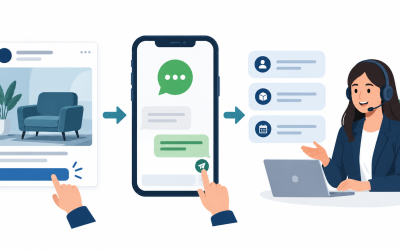
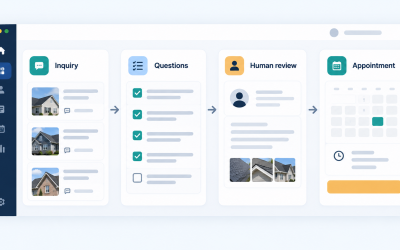
That business inbox is not the same thing as the consumer Messenger app, but the two connect. A customer sends a message in Messenger. The business may read it in Meta Business Suite, route it to a teammate, trigger an automated response, or connect it to a broader support workflow.
If you are evaluating the app as a channel rather than just as a personal messenger, that distinction matters more than any sticker pack or theme setting. Businesses are not just “using Messenger”; they are using Messenger plus Page tools, inbox tools, automation, and sometimes developer webhooks.
That is why there are really two Messenger feature stacks in 2026:
| Feature layer | What it includes | Who cares most |
|---|---|---|
| Personal Messenger | Chat, calling, reactions, editing, disappearing messages, AI help, group threads | Everyday users |
| Community Messenger | Main chats, announcements, event planning, evolving community structures | Clubs, organizers, admins |
| Business Messenger | Page inbox, automated replies, AI chats with Pages, handoff to support teams | Marketers and small businesses |
If your interest is the third layer, not the consumer app itself, start with the guide to Messenger automation for business. That article is better for the operational side.
What Happened to Secret Conversations?
Orang masih mencari Percakapan Rahasia because that was Meta’s old plain-English label for encrypted chats in Messenger. The better way to say it in 2026 is this: Messenger’s current privacy model is centered on end-to-end encrypted personal chats and the secure-storage tools around them. Some help pages still reference Secret Conversations language, but the product documentation now focuses more heavily on end-to-end encrypted chats, disappearing messages, PINs or recovery codes, and secure storage across devices.
If you have not used Messenger in a few years, that is the update you need. The old feature name still exists in people’s memory, but the live system is broader and more integrated than the classic Secret Conversations toggle era.
Is Messenger App Free? What You Pay For, What Stays Free
Yes. The Messenger app is free to download and free to use in the normal sense most people mean. There is no separate subscription fee to send messages, make internet-based voice or video calls, react to messages, join group chats, or use the basic app on phone and web.
That is the simple answer for searches like messenger app free, messenger app for free, dan messenger apps free. If you are asking whether Messenger costs money at the point of download, it does not. If you are asking whether using it can still create costs around the edges, the honest answer is yes.
| What stays free | What can still cost you money |
|---|---|
| App download on supported devices | Mobile data usage if you are not on Wi-Fi |
| Messaging, reactions, group chat, message editing | Roaming charges when traveling |
| Voice and video calls over the internet | Paid carrier plan needed for internet access away from Wi-Fi |
| Using Messenger on web at messenger.com | Potential business-tool costs if you automate or advertise around Messenger |
| Basic personal account use | Hardware, app-store ecosystem, and related platform purchases outside Messenger itself |
The other thing worth saying clearly is that Messenger is free, but it is tidak a no-sign-up-required utility. You still need to log in. That seems obvious until you look at search behavior. A lot of people searching for “messenger free” are really asking two separate questions at once: “Do I have to pay?” and “Can I use it without making an account?” The first answer is yes, it is free. The second answer is generally no, not in the guest-app sense.
For businesses, the cost question changes. A business can answer Page messages in Meta’s native tools for free, but the moment you want structured automation, flows, CRM sync, or broad support routing, you move out of “free app” territory and into software territory. That is a different decision from the ordinary consumer question of whether Facebook Messenger itself costs anything.
Messenger App Alternatives: WhatsApp, Telegram, Signal, iMessage Compared
If you are not looking for Facebook Messenger specifically, the real comparison is not “which messenger app is free?” because all the major consumer apps are free to download. The real comparison is network, privacy model, platform lock-in, and how much control you want over your conversations.
For most people in the US, UK, and EU, the short list is Messenger, WhatsApp, Telegram, Signal, and iMessage. Each one is good at something different.
| App | Free to use | End-to-end encryption by default | Desktop / web | Kesesuaian terbaik | Main limitation |
|---|---|---|---|---|---|
| Messenger | Ya | Personal chats and calls are the focus, but not every conversation surface is covered | Ya | People already inside Facebook’s ecosystem, business messaging, mixed casual and commercial use | Privacy rules vary by chat type, and Meta’s product layers can get confusing |
| Ya | Yes, by default | Ya | Phone-number-based messaging with huge global reach | Still tied closely to phone identity and Meta’s ecosystem | |
| Telegram | Ya | No for regular cloud chats; secret chats are end-to-end encrypted | Ya | Large groups, channels, public communities, power users | Its strongest privacy mode is not the default and is device-specific |
| Signal | Ya | Yes, by default | Ya | Privacy-first users and smaller trusted circles | Smaller mainstream network than Messenger or WhatsApp |
| iMessage | Yes on Apple devices | Yes inside Apple’s ecosystem | Apple ecosystem only | iPhone, iPad, and Mac households | Weak cross-platform story if half your contacts are outside Apple |
When WhatsApp Is the Better Alternative
WhatsApp is the strongest alternative when your priority is simple, global messaging with end-to-end encryption by default. Its download page and security materials make the value proposition obvious: private messaging and calling across devices with a cleaner privacy story than Messenger. If most of your contacts already live there, Messenger usually loses on convenience rather than on features.
For EU and UK users especially, WhatsApp often wins because it has become the default contact method for family, local businesses, clubs, and travel coordination. Messenger still matters, but it is less universally assumed than it was a decade ago.
When Telegram Is Better
Telegram is stronger than Messenger when you care about giant groups, channels, public discoverability, and power-user community features. It is weaker if your reason for leaving Messenger is privacy. Telegram’s own FAQ still makes a crucial distinction: secret chats are end-to-end encrypted, device-specific, and separate from ordinary cloud chats. That is not a small footnote. It changes how you should think about the app.
If you want a hybrid between social distribution and messaging, Telegram is worth considering. If you want a simple “everything is private by default” replacement, it is not the cleanest answer.
When Signal Is Better
Signal is the answer for people who want the shortest possible privacy pitch: private by default, minimal data collection, and communication that stays end-to-end encrypted across the service. Signal’s own support materials emphasize that linked devices stay private and that the service does not have access to message contents. If Messenger’s mixed surfaces make you uneasy, Signal is usually the most straightforward alternative.
The tradeoff is social gravity. Signal is excellent, but the network is smaller. For a privacy-first circle, that is fine. For school groups, casual local-business messaging, or a family split across multiple habits, it can be a harder switch.
When iMessage Is Better
iMessage is best when your life already happens on Apple hardware. It is integrated, polished, and secure inside that ecosystem. The problem is obvious too: it is not a true cross-platform alternative. If you want one messaging home for a mixed iPhone and Android group, Messenger, WhatsApp, Signal, or Telegram all have a clearer story.
If you want the bigger business-software picture beyond consumer messaging apps, the article on top chatbot platforms compared covers where messaging apps stop and automation tools begin.
Privacy and Security on the Messenger App: What’s Encrypted, What’s Not
This is where you should ignore lazy one-line answers. Messenger is much more secure than it used to be, but “Messenger is end-to-end encrypted now” is still too broad to be useful. The better statement is: personal Messenger chats and calls are now centered on end-to-end encryption, but not every conversation type or product surface follows the same rule.
That difference matters because users hear “encrypted by default” and assume every business chat, call link, browser session, AI interaction, and community conversation works identically. Meta’s own help pages say otherwise.
What Is End-to-End Encrypted on Messenger
For ordinary personal messaging, Meta has moved Messenger toward end-to-end encrypted chats and secure storage. The practical result is that the company now documents PINs, 40-character recovery codes, device restoration, and secure-storage management as normal parts of the product. That is a completely different security posture from the older Messenger era where encryption felt like a separate advanced mode.
If you log in on multiple devices, this matters even more. Meta’s documentation explains that secure storage methods help you access your encrypted chats across devices or browsers. That means encryption on Messenger in 2026 is not just a thread setting. It is a system that includes identity recovery and local access controls.
What Is Not Always Encrypted the Same Way
Meta’s help documentation also makes clear that some surfaces have different rules. Business conversations can behave differently, especially when a business uses messaging tools. Call links can have different protection behavior than standard personal calls. Community-related surfaces have their own rules. AI-related interactions may also carry different expectations than a normal private encrypted thread.
So if you are asking whether Messenger is private enough for ordinary personal use, the answer is far better than it used to be. If you are asking whether every single conversation type on Messenger follows one uniform encryption rule, the answer is no.
Practical Privacy Rules for Real Users
- Assume personal one-to-one chat is the strongest case. That is where Messenger’s current security model is most clearly aimed.
- Treat business chats more carefully. A Facebook Page using automation or business tools is not the same thing as a private friend-to-friend thread.
- Be careful with shared devices and browsers. Meta notes that browser access to encrypted chats depends on stored local data, which can disappear if you clear cookies or use private browsing.
- Set up secure storage properly. If you skip PINs or recovery steps, you make cross-device recovery harder later.
- Use disappearing messages when the conversation really should expire. They are more relevant now than the old vanish-mode mindset.
There is also an old-feature translation worth making. If you still think in terms of Secret Conversations, update your mental model. Secret Conversations was the label. End-to-end encrypted chats plus secure storage is the system. That is the better way to understand Messenger now per 11 April 2026.
The Fastest Privacy Checklist Before You Use Messenger for Sensitive Chat
- Check whether the chat is a normal personal thread or a business/Page thread.
- Enable secure storage and keep your PIN or recovery method somewhere safe.
- Avoid depending on a private browser window for important chat history.
- Use disappearing messages when the content should not sit around forever.
- If privacy is the main reason you are choosing an app, compare Messenger against Signal and WhatsApp before you commit.
Messenger is no longer the easy punchline in privacy debates. It improved substantially. But it is still a product where you need to understand the chat type, not just the brand name on the icon.
Messenger App for Business: Page Inbox, Customer Service, and Automation
For businesses, Messenger is less interesting as a chat app and more interesting as an inbound channel. A customer taps “Message” on a Facebook Page, starts a conversation in Messenger, and expects an answer that is faster than email and less formal than a ticket form. That is why so many small businesses still care about Messenger even if younger audiences are splitting time across WhatsApp, Instagram, and TikTok.
The consumer side happens in Messenger. The business side often happens in Meta Business Suite. Meta’s business documentation describes Inbox as the place where businesses can manage and respond to messages, including Page-based conversations and connected Instagram threads. Once a team is inside that workflow, Messenger becomes customer-service infrastructure, not just chat software.
Where Messenger Still Works Well for Business
- Answering common questions about hours, pricing, availability, and delivery
- Handling pre-sale questions from Facebook Page visitors
- Routing support requests to the right teammate
- Capturing leads after hours when a human is offline
- Following up with structured automation instead of manual copy-paste replies
The sweet spot is businesses that already get real message volume from Facebook. If customers keep asking the same ten questions in Messenger, the app stops being a convenience and starts becoming operational load. That is when automation makes sense.
If that is your situation, start with the practical pieces in this order:
- Set up native instant replies and away messaging.
- Organize the Page inbox so a human can still take over quickly.
- Map the five most common questions customers send.
- Decide whether native tools are enough or whether you need full automation.
The build path depends on how far you want to go. For simple after-hours answers, the guide to pengaturan balasan otomatis Messenger is the practical next step. For broader operational use, the main guide to Messenger automation for business is better.
If you are technical and want to receive and respond to messages through the developer stack instead of a visual builder, read the Pengaturan webhook Messenger guide. And if you are comparing tool choices rather than coding directly, MessengerBot.app is the brand-level reference point for the site’s own Messenger-first software, while Periksa Harga Saat Ini is the place to compare plan tiers without turning this article into a sales page.
Common Messenger App Problems and the Fastest Fixes
Most Messenger problems are boring, which is good news because boring problems are usually fixable fast. The pattern is almost always one of five things: sign-in confusion, app-update issues, notification misconfiguration, device sync problems, or people assuming a feature still exists because it existed in an older version.
Problem 1: “I Cannot Log In to Messenger”
Start with the basics. Are you using the correct Facebook-linked account? Did you recently change your password? Are you trying to use Messenger as if it were independent of Facebook account identity when your setup does not allow that? Login issues are usually account issues, not message issues.
The fastest fix is to sign in on desktop web at messenger.com first. If that works, your account is fine and the issue is probably app-side. If that fails too, recover the account before doing anything else.
Problem 2: “Messenger Will Not Download or Update”
On phones, this is almost always storage, OS compatibility, regional app-store weirdness, or a stale store session. On desktop, it can also be Meta’s shifting native-app support. That is why the official fallback matters: if the install path is fighting you, use the browser version and keep moving.
Fastest fix:
- Update your operating system.
- Free local storage.
- Sign out and back into the app store if needed.
- Restart the device.
- Gunakan
messenger.comuntil the install problem is resolved.
Problem 3: “I Am Not Getting Notifications”
This is the most common real-world complaint and the least glamorous one. Usually the issue is device settings, not Messenger itself. Check in-app notification settings, system notification permissions, battery optimization, Focus or Do Not Disturb rules, and whether you muted the specific thread weeks ago and forgot.
On iPhone, Focus modes are frequent culprits. On Android, aggressive battery management is the usual problem. On desktop, browser notification permissions can block alerts even when the chat itself works fine.
Problem 4: “My Messages or Encrypted History Are Missing on Web”
If you use Messenger in a browser, especially in private browsing or on work machines that clear cookies, remember that encrypted chat access relies on local browser state plus secure storage methods. Clear the wrong thing and the local view can disappear. That does not always mean the messages are gone forever, but it does mean browser usage is less forgiving than mobile-app usage.
The fix is to restore access with the correct secure-storage method, then avoid treating disposable browser sessions as your main Messenger home.
Problem 5: “A Feature I Remember Is Gone”
This one is common because Messenger has been around long enough to build false memory. People remember SMS inside Messenger, different desktop apps, older vanity features, legacy privacy labels, or Facebook Group community-chat behavior and assume the current app still works the same way. It often does not.
The fix is not technical. It is conceptual: stop searching old forum threads and check the current help pages. Messenger in 2026 is still familiar, but the details matter now.
The 60-Second Troubleshooting Checklist
- Try the same account on
messenger.com. - Update the app and the operating system.
- Check notification permissions and battery restrictions.
- Confirm whether the feature you expect still exists in current Messenger.
- If encrypted chats are involved, verify your secure-storage method before panicking.
The Future of the Messenger App (Meta’s 2026 Roadmap)
Meta is not publishing a neat public “here is every Messenger feature we will launch this year” roadmap. But if you line up the company’s 2026 releases and current help-center emphasis, the direction is clear.
First, Messenger is becoming more AI-heavy. Meta keeps shipping AI tools across its apps, and Messenger is one of the most natural places for that to show up because conversation is already the interface. Message rephrasing, chat summaries, image generation, custom AIs, and AI-assisted business interactions all point in the same direction: more conversational utility inside threads, not just beside them.
Second, Messenger is becoming more security-structured. End-to-end encrypted personal messaging is no longer a niche setting; it is part of the product’s normal architecture. Recovery methods, secure storage, and more explicit privacy guidance are the signs of a platform that expects encryption to be standard, not optional decoration.
Third, Meta appears to be simplifying some of the older product sprawl. Community chats tied directly to Facebook Groups are being retired. Desktop support keeps getting rationalized. The app is still broad, but the direction looks less like “put every communication experiment in one place” and more like “keep the core messaging app strong, then layer AI, business messaging, and newer community structures on top.”
Fourth, business messaging remains a strategic priority. Meta’s own business materials continue to emphasize inbox management, cross-surface communication, and tools that help businesses handle conversations at scale. That means Messenger is unlikely to fade into a pure personal-chat utility. It remains part of a commercial messaging system, which is one reason the app still matters so much to marketers and small businesses.
The short version is that Messenger in late 2026 will probably feel more private, more AI-assisted, and more intentionally segmented than the Messenger many people remember from the mid-2010s.
If You Use Messenger as a Channel, Not Just an App
If your main goal was understanding the app itself, you should now have the answer: Messenger is still free, still widely used, still worth downloading, and much more nuanced on privacy and feature behavior than old guides suggest. If your real use case is business messaging, not casual chat, the next move is different. Start with the Messenger automation for business guide, review the tutorial lengkap bot Messenger, and use MessengerBot.app only as the brand reference when you are ready to compare tools rather than app basics.
That keeps the intent clean. This article is the informational pillar. The build-and-operate side starts after that.
Pertanyaan yang Sering Diajukan
Apa itu aplikasi Messenger dan bagaimana perbedaannya dengan Facebook?
The Messenger app is Meta’s standalone messaging app for chats, group conversations, voice calls, video calls, and messaging businesses through Facebook’s ecosystem. Facebook is the broader social app for feed browsing, groups, profiles, Pages, and Marketplace. You can enter messages from Facebook, but Messenger is still the dedicated app built for active conversation rather than social browsing.
Apakah aplikasi Messenger gratis digunakan pada tahun 2026?
Ya. Messenger gratis untuk diunduh dan gratis digunakan untuk pesan normal dan panggilan berbasis internet pada tahun 2026. Yang mungkin masih memerlukan biaya adalah data seluler, roaming, atau perangkat lunak yang Anda tambahkan di sekitar Messenger untuk otomatisasi bisnis. Aplikasi itu sendiri tidak memerlukan langganan konsumen.
Bisakah saya menggunakan Messenger tanpa akun Facebook?
Biasanya tidak dalam pengertian aplikasi tamu yang sederhana. Sebagian besar pengguna masih memerlukan akses akun yang terhubung dengan Facebook untuk mengatur dan menggunakan Messenger. Meta juga mendokumentasikan kasus khusus seperti akun yang dinonaktifkan tetapi masih memiliki akses ke Messenger, dan beberapa pengguna EEA mungkin melihat jalur Messenger-tanpa-Facebook. Bagi sebagian besar pembaca, harapan praktisnya adalah bahwa Messenger masih memerlukan masuk.
Apakah aplikasi Messenger terenkripsi end-to-end secara default pada tahun 2026?
Untuk obrolan dan panggilan pribadi, Messenger sekarang dibangun di sekitar pesan terenkripsi dari ujung ke ujung. Namun, tidak semua permukaan produk mengikuti aturan yang sama. Obrolan bisnis, beberapa permukaan komunitas atau tautan panggilan, perilaku browser, dan interaksi terkait AI dapat berbeda. Jawaban yang aman adalah bahwa pesan pribadi jauh lebih pribadi daripada sebelumnya, tetapi Anda tetap harus memperhatikan jenis obrolan.
Apa alternatif terbaik untuk aplikasi Messenger?
The best alternative depends on what you care about most. WhatsApp is usually the cleanest all-around replacement if you want broad adoption and default end-to-end encryption. Signal is the best privacy-first alternative. Telegram is stronger for giant groups and channels. iMessage is great inside Apple’s ecosystem but weaker as a true cross-platform replacement.

 Bahasa Indonesia
  English
  Tagalog
  简体中文
简体中文  العربية
  हिन्दी
  Português do Brasil
  Español de México
  Français
  বাংলা
বাংলা  香港中文
香港中文  繁體中文
繁體中文  Nederlands
  Deutsch
  日本語
日本語  한국어
한국어  Polski
  Русский
  Español
  Tiếng Việt