
The search for flexible, home-based earning opportunities has led many people to explore digital platforms that promise income for simple tasks. In recent years, social media channels and chat networks have become hotbeds for programs offering quick payouts for activities like captcha entry, data processing, and document formatting. These systems are commonly referred to as encoder bots, and they often target users who want to monetize their spare time using nothing more than a mobile phone. Among the various names circulating in online groups, paymath encoder has emerged as a topic of significant interest. Many prospective users are curious about how this platform functions, whether it provides a reliable source of income, and what security measures they should take when participating.
Earning online through micro-tasks is a well-established concept. Massive platforms exist where individuals from all over the world complete short jobs like labelling images, transcription, or verifying database records. However, the rise of smaller, regional programs operating primarily through social media applications has changed the landscape. These programs often promise higher rewards and localized payment options, making them highly appealing to workers in the Philippines and other parts of Southeast Asia. Despite the appeal, it is critical to approach these offers with a balanced perspective. While some platforms are genuinely free and serve as small side gigs, others use the promise of task-based work to promote recruitment schemes or extract personal information.
This guide provides an objective, analytical look at the mechanics behind encoder and captcha earning programs. Since details of specific web-based systems can change rapidly, and we do not have verified, direct access to the internal operations of Paymath Encoder, this analysis focuses on the broader operational patterns of such programs. Readers will learn how these platforms typically structure their onboarding, what security precautions are necessary, how payouts are managed, and how to spot potential warning signs before committing their personal information or financial resources.
What “Paymath Encoder” Refers To
Based on inquiries and community discussions, the term paymath encoder represents an online system that promises to pay users for inputting text, solving simple math equations, or entering captcha codes. The concept of an encoder job has long existed in traditional business process outsourcing (BPO) sectors, where it refers to data entry clerks digitizing physical documents or updating electronic spreadsheets. In the realm of casual online earning programs, however, data entry has been simplified to repetitive, short-term tasks that require no specialized training or experience.
Users typically discover this program through social media shares, walkthroughs, or chat groups where members promote the paymath messenger bot as a pathway to earning extra cash. The appeal lies in its simplicity. Participants believe that by dedicating a few hours a day to solving math-related captchas or typing numeric sequences, they can generate steady pocket money. The low barrier to entry makes it particularly attractive to students, stay-at-home parents, and individuals seeking to supplement their primary income without needing a desktop computer or a formal resume.
However, because there is no official corporate website, verified company address, or transparent public documentation for Paymath Encoder, it is classified as an informal online earning scheme. This lack of transparency means that the terms of participation, the actual earning potential, and the security of user data are determined entirely by the operators behind the platform. As a result, anyone considering joining must look beyond the promotional claims of recruiters and understand the technical and economic realities of the system.
How Messenger Encoder/Earning Bots Like This Typically Work
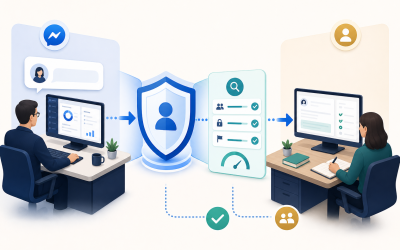
Messenger-based earning programs generally follow a structured technical workflow to engage users and manage tasks. The process begins on a social platform where a chatbot serves as the primary portal. When a user interacts with the paymath messenger bot, they are greeted by automated responses that guide them through the initial steps. The bot acts as an intermediary, delivering instructions, providing links to the work portal, and broadcasting announcements about payouts or system updates. By using a popular messaging app as the front-end, platform operators can easily reach thousands of users without building a custom mobile application from scratch.
The actual work, however, rarely takes place inside the chat window. Instead, the chatbot redirects users to an external website or web-view interface designed for data entry. On this dashboard, the user is presented with a continuous stream of captchas, alphanumeric codes, or basic math equations to solve. For every correct entry, the system adds a tiny credit to the user’s account balance. These credits are denominated in points or small fractions of a currency. To keep users engaged, the dashboard often features live counters showing their progress and the accumulated earnings of other top-performing members.
From an economic standpoint, these systems are typically funded in one of two ways. The first is through advertising. The work dashboard is usually covered in banner ads, pop-up windows, and redirect links. When users refresh the page to load a new task, they trigger ad impressions and clicks, which generates revenue for the platform owners. The owners then share a small percentage of this ad revenue with the active encoders. The second model relies on recruitment. In these setups, the encoding work serves as an engagement tool, while the actual revenue flow is sustained by charging new members an entry or activation fee, creating a system where older members are paid using the registration fees of newer signups.
Common Registration and Login Steps for This Type of Program
To participate in a typical encoder program, users must navigate an onboarding process that usually starts with a referral. Because these platforms grow through viral sharing, a new user must typically obtain a referral link or referral code from an existing member. Clicking this link initiates a conversation with the paymath messenger bot. The bot then provides a registration link that directs the user to a signup page on an external website, where they must create their profile.
During the paymath encoder registration phase, the platform requests basic personal details. This typically includes a full name, a working email address, and a mobile phone number. In the Philippines, the phone number is almost always the one linked to the user’s GCash account, as this is the primary channel for payouts. Users are also prompted to set a username and a password. A common security risk here is credential reuse. Many users register using the same email and password combination they use for their social media accounts or personal emails. If the platform lacks proper security controls, these credentials can easily be compromised, exposing the user’s more sensitive personal profiles to unauthorized access.
Once registration is complete, users perform the paymath encoder login on the platform’s web interface. The login page requires the username or email and the password created during signup. Once logged in, the user accesses their personal dashboard, which contains the encoding work area, referral statistics, and cash-out requests. Because we do not have verified, active links for the current official portal of Paymath Encoder, users must verify that the login pages they visit are secure and avoid entering credentials on any website that lacks basic HTTPS encryption.
How These Programs Typically Handle Payouts
Micro-tasking platforms operating in Southeast Asia, particularly the Philippines, rely heavily on local mobile wallets like GCash, PayMaya, or Coins.ph. These e-wallets are the preferred payment channel because they allow users to receive small amounts of money instantly without needing a traditional bank account. For a program like Paymath Encoder, utilizing GCash as the main payout channel makes it easy for young or unbanked users to participate and receive their earnings directly on their mobile phones.
The payout process starts when a user accumulates enough credits in their dashboard to meet the platform’s minimum withdrawal limit. This threshold varies depending on the platform’s rules and can range from a few hundred pesos to higher amounts. Once the minimum limit is reached, the user submits a withdrawal request, inputting their registered GCash number and name. The platform’s system then processes the request, either automatically or through manual approval by the administrators. Depending on system traffic and the platform’s liquidity, payouts can take anywhere from a few hours to several days to arrive in the user’s wallet.
While the payout system sounds straightforward, it is often a source of friction for users. Many participants in informal earning programs report encountering issues when attempting to cash out. These issues can include sudden changes to the withdrawal rules, unexpected processing fees, or technical errors that cancel pending requests. In some cases, accounts are suspended right as they approach the minimum payout threshold under the accusation of using automated scripts or cheating. Understanding these potential payout hurdles is essential for anyone deciding whether the time investment is worth the potential return.
Red Flags That Suggest an Earning Program Isn’t Legitimate
When exploring any online earning opportunity, evaluating its legitimacy is the most critical step to prevent loss of time and money. When readers ask ‘is paymath encoder legit’, the best approach is to check the platform against established warning signs of deceptive schemes. The most significant red flag is the requirement of an upfront payment. Legitimate jobs, freelancing platforms, and micro-tasking sites do not ask workers to pay a registration fee, buy an activation code, or purchase a starter package to begin working. If a platform requires you to send money via GCash to unlock your account or start encoding, it is highly likely that the system is designed to harvest fees rather than pay for productive labor.
Another warning sign is the promise of high, guaranteed returns for very simple tasks. Solving math equations or entering captchas is a low-value activity on the global market. Companies that require captcha solving to train algorithms or protect websites pay only tiny fractions of a cent per entry. If an encoder platform claims you can earn hundreds or thousands of pesos per day for simple typing, the economics do not align with industry standards. These exaggerated earning claims are almost always used as hook tactics to persuade users to pay the initial signup fee.
Furthermore, an excessive focus on recruitment is a classic indicator of a pyramid structure. If the platform’s dashboard shows that you earn substantially more money by inviting new members to pay their activation fees than by doing the actual encoding work, the business model is unsustainable. A legitimate earning site relies on the value of the completed tasks, not on a continuous stream of new members paying entry fees. Finally, the absence of clear corporate information, physical addresses, and official registration with regulatory agencies like the SEC indicates a high-risk operation that could disappear at any time without warning.
Green Flags That Suggest More Legitimacy
To make an informed decision, it is equally helpful to look for green flags that indicate a platform is operating transparently and safely. The primary indicator of a trustworthy micro-task platform is that registration is completely free. Users should be able to create an account, access the tasks, and request payouts without ever being asked to transfer money, pay for upgrades, or purchase activation keys. If the platform allows you to test the system and cash out your initial earnings without any financial commitment, it demonstrates a commitment to fair exchange.
Another green flag is realistic pay rates that match the simplicity of the work. Legitimate platforms are honest about the earning potential, explaining that micro-tasks are meant to provide small, extra pocket money rather than replace a primary salary. The pay per task should be small, and there should be no promises of getting rich quick. Additionally, the platform should feature clear documentation, including detailed terms of service, an explicit privacy policy that explains how your data is used, and a working customer support channel that responds to technical inquiries.
Finally, the presence of independent reviews is a strong positive sign. Look for discussions on neutral platforms where users share their payout receipts without including their personal referral links. When people share their experiences purely to help others, rather than to earn a commission from new registrations, it provides a much more accurate picture of the platform’s reliability. If a program has been operating for a long time with consistent, verified payouts and free registration, it is much safer to participate in.
How to Verify a Program Like Paymath Encoder Before You Register
Before you sign up or share any personal information with an online program, performing due diligence is vital. The first step is to check the official advisories issued by the Securities and Exchange Commission (SEC) of the Philippines. The SEC regularly publishes warnings about online programs that operate without the proper licenses or registration. If a program is flagged in an SEC advisory, it is a clear signal to avoid it entirely, as these warnings are issued to protect the public from financial harm.
Next, conduct thorough research on independent community spaces. Platforms like Reddit and local online forums are excellent places to find candid feedback from real users. Search for the platform name alongside keywords like ‘review’, ‘scam’, or ‘payout proof’. When reading these threads, ignore posts that contain referral links or encourage you to join their team, as these are often biased. Instead, focus on users who share detailed accounts of their daily earnings, cash-out experiences, and any technical difficulties they encountered while using the service.
You should also evaluate the security and age of the platform’s website. Verify that the login portal uses HTTPS encryption, which is indicated by a lock icon next to the URL. You can use free WHOIS search tools to check when the domain was registered. If the website was registered recently or changes domain names frequently, it is a common indicator of a short-lived operation. Lastly, check the contact details provided on the site. If there is no way to reach a human support agent other than an automated chatbot on social media, the lack of support infrastructure is a significant risk factor.
What to Do If You Already Registered and Have Concerns
If you have already signed up for an encoder program and are now concerned about your safety or the security of your data, you can take immediate action to protect yourself. The first step is to secure your accounts. If you used a password for the encoding website that matches the password for your email, Facebook, or online banking, change those passwords immediately. Use unique, complex passwords for each of your personal accounts to prevent a security breach on one site from compromising your entire digital identity.
Next, monitor your GCash or mobile wallet account closely. Be alert to any unexpected messages asking for verification codes or One-Time Passwords (OTPs). Under no circumstances should you share these codes with anyone, even if they claim to be from the platform’s support team. A common tactic used by malicious actors is to pretend to help you resolve a payout issue in order to gain access to your mobile wallet. You should also review the app permissions if you downloaded any third-party tools or applications associated with the program, and uninstall them if they require access to your contacts, SMS, or storage.
If you paid a registration or activation fee, prepare yourself for the possibility that you may not get that money back. Do not pay additional fees to release pending balances, as this is a common trap designed to extract more money from concerned users. Finally, report the suspicious activity. If the program operates through a Facebook page or a chatbot, use the reporting features to flag it for scam or spam. By reporting these channels, you help raise awareness and prevent other members of the community from falling victim to deceptive schemes.
Safer Alternatives for Earning Through Messenger Bots
While the promise of earning money by typing captchas or equations can seem attractive, the reality is that these tasks offer very low returns for the amount of time spent, and they carry significant safety risks. If you are interested in using technology and chat systems to build an income, there are far more sustainable, high-paying, and secure alternatives available. The key is to move away from repetitive micro-tasks and focus on developing digital skills that local and international businesses actively need.
One of the most rewarding alternatives is learning how to design and build automated chatbot workflows for small businesses. Companies, retail brands, and service providers use social media platforms to connect with customers, but they often struggle to respond to inquiries quickly. By learning how to set up professional Messenger Bot systems that handle FAQs, capture lead information, or showcase product catalogs, you can offer your services as a freelance chatbot developer. This type of work allows you to charge professional service fees and monthly maintenance retainers, providing a legitimate business model built on real skills.
Another viable option is leveraging chatbots for content curation and affiliate marketing. You can build a helpful chatbot that guides users through a specific topic, answers common questions, and recommends vetted products or tools. When users purchase through your affiliate links, you earn a commission. This approach allows you to build a valuable online asset and a loyal audience without requiring any upfront fees from your visitors. If you are looking for secure, vetted opportunities to make money online, you can read our complete guide to legit Messenger earning platforms to find established services that do not require upfront fees. By investing your time in learning valuable tools, you can build a secure income stream while protecting your digital footprint.
FAQ
What is a paymath encoder?
A paymath encoder is a term used to describe a participant in an online program who solves simple math questions or enters captchas on a web dashboard, expecting to receive small payouts via mobile wallets.
Is paymath encoder legit or a scam?
Because we do not have verified, direct access to the official creators, we cannot verify the legitimacy of Paymath Encoder. However, we advise users to avoid any platform that demands upfront activation fees or focuses primarily on member recruitment rather than task completion.
Why do some encoder programs require a registration fee?
Legitimate micro-tasking sites do not charge workers to join. Programs that require registration fees often operate as recruitment structures, using the entry fees of new members to pay commissions to existing users rather than generating revenue from actual work.
How do I access the paymath encoder login page safely?
To log in safely, always ensure you are using the official URL and verify that the page has HTTPS encryption (a lock icon in the address bar). Never log in using links sent via unsolicited messages, as these could be phishing attempts designed to steal your credentials.
What is the safest way to earn money using a Messenger bot?
The safest method is to learn how to build chatbots for local businesses using professional platforms to automate customer service. You can also build bots that share helpful information and earn commissions by recommending verified products through affiliate marketing.
Mga Pangunahing Kahalagahan
Engaging with online earning opportunities requires a careful balance of curiosity and caution. While the idea of a paymath messenger bot and captcha encoding seems like an easy way to make extra money, users must remain vigilant against potential risks. Protecting your personal information, avoiding platforms that demand upfront payments, and focusing on building marketable digital skills are the best strategies for navigating the online gig economy safely. Always conduct independent research and rely on verified platforms to ensure your online efforts are rewarded fairly.
- Always research a program’s registration status before committing time or money.
- Avoid platforms that require paying activation fees to unlock micro-tasks.
- Protect your personal information and use unique passwords for new platforms.
- Real online income comes from building valuable skills, like chatbot creation and digital marketing.

 Tagalog
  English
  简体中文
简体中文  العربية
  हिन्दी
  Português do Brasil
  Español de México
  Français
  বাংলা
বাংলা  香港中文
香港中文  繁體中文
繁體中文  Nederlands
  Deutsch
  Bahasa Indonesia
  日本語
日本語  한국어
한국어  Polski
  Русский
  Español
  Tiếng Việt