

关键要点
- 如何使用 Messenger 机器人:选择无代码以提高速度,或使用 Facebook Messenger API 机器人以获得完全控制——先用模板进行验证,然后扩展到开发者构建。.
- 遵循清晰的 Messenger 机器人设置:页面角色、应用和页面访问令牌、安全的 webhook、应用审核,并遵守 24 小时消息窗口。.
- 使用 Messenger 机器人流程设计和 Messenger 机器人模板进行设计——欢迎消息、快速回复、后备路径和人工交接减少摩擦和后备。.
- 使用 Messenger 机器人工具和插件集成 CRM、支付和电子商务 Messenger 机器人流程,以实现购物车恢复和聊天内销售。.
- 优先考虑 Messenger 机器人的安全性、隐私和合规性——发布隐私政策、收集同意、保护令牌并遵循平台消息政策。.
- 通过 Messenger 机器人测试和 Messenger 机器人分析进行优化:跟踪转化漏斗、后备率、留存率,并通过 A/B 测试进行迭代。.
- 货币化:构建潜在客户生成 Messenger 机器人漏斗、聊天内商务和订阅模型,学习如何通过 Messenger 机器人赚钱。.
- 开始免费或低成本:使用免费 Messenger 机器人平台层和 Messenger 聊天机器人示例,在投资之前验证单一收入漏斗。.
如果你想知道如何创建一个真正有效的消息机器人,这本实用指南将带你了解基本要素——从消息机器人教程和Facebook消息机器人指南到逐步的消息机器人设置,以及如何创建能够转化的消息机器人流程。你将学习如何使用无代码的消息机器人选项和以开发者为先的Facebook消息API机器人技术构建消息聊天机器人体验,选择合适的消息机器人平台和工具,设计消息机器人流程和模板,并集成自动消息回复、插件以及用于电子商务、潜在客户生成和商业用例的消息机器人集成。在此过程中,我们将涵盖消息机器人安全性、最佳实践、测试和维护、分析以及如何通过消息机器人赚钱的技巧——此外,还包括实际的消息机器人部署建议、多语言消息机器人策略和真实的消息聊天机器人示例,以便你能够自信地创建、连接和变现你的消息聊天机器人。.
你可以将机器人添加到Messenger吗?
是的——您可以将机器人添加到Facebook Messenger。我来简单说明一下:如果您拥有Facebook页面并且具有适当的页面角色(管理员或编辑),您可以使用无代码的Messenger机器人平台或Facebook Messenger API机器人开发流程连接聊天机器人。在开始之前,请确认该页面未被Meta Business Suite隐藏或在Business Manager中受到限制,以便在您授权集成时页面能够显示。有关逐步教程和示例流程,请参见我的 Messenger机器人教程索引.
前提条件、权限和快速连接概述
- 页面和角色: 您必须是您计划使用的Facebook页面的管理员或编辑;没有适当角色的页面在Messenger机器人设置期间不会显示。.
- 选择路径: 为了获得最快的结果,请使用无代码的Messenger机器人平台(如ManyChat、Chatfuel等)创建Messenger机器人模板并为您处理页面访问令牌/网络hooks;对于自定义行为,请使用Facebook Messenger API机器人流程构建Messenger聊天机器人。.
- 权限和应用审核: 在连接平台时,请授权pages_messaging和pages_manage_metadata。如果您的机器人使用订阅消息或特殊消息标签,请计划进行应用审核。.
- 网络钩子和令牌: 开发者构建需要一个安全的网络hooks(HTTPS)、页面访问令牌和应用密钥,以调用发送API并订阅页面事件。.
- 限制: 消息通常必须在24小时的消息窗口内发送,除非您使用允许的消息标签、一次性通知流程或赞助消息。.
有关实用的连接指南和货币化选项,请查看我的 如何创建Messenger机器人指南.
Messenger机器人平台、Messenger机器人设置以及如何在Messenger群聊中添加机器人
我建议从平台选择和简单的Messenger机器人设置开始:选择一个与您的目标相匹配的Messenger机器人平台或构建器(潜在客户生成Messenger机器人、电子商务Messenger机器人或多语言Messenger机器人)。使用Messenger机器人工具导入Messenger机器人模板,设计Messenger机器人流程,并为常见查询启用自动Messenger回复。.
- 无代码Messenger机器人: 使用模板和可视化流程构建器来构建Messenger聊天机器人体验,集成CRM或电子商务插件,并在发布前进行Messenger机器人测试。.
- 开发者构建: 使用Facebook Messenger API机器人,与您的后端实现Messenger机器人集成,并对Messenger机器人分析进行仪器化,以衡量转化率和留存率。.
- 群聊限制: Adding automation to standard group chats is limited—bots are primarily tied to Pages and Page conversations. If you need group automation, confirm platform support or use page‑backed group features; otherwise route group interactions through a Page chat flow.
- 最佳实践: Follow messenger bot best practices—clear opt‑in prompts, GDPR‑compliant data handling, messenger bot security, regular messenger bot maintenance, and A/B test flows to optimize lead generation messenger bot performance.
Want a full setup walkthrough? Try my practical set up Facebook chat bot guide for ManyChat and page activation, or explore free platform options in the messenger chatbot free options.

Messenger 机器人合法吗?
Messenger bot security, privacy, compliance and facebook messenger bot guide for personal account
Short answer: Yes — Messenger bots are generally legal when built and operated in compliance with platform policies, applicable data‑protection laws, and anti‑spam/telemarketing regulations; legality depends on how you collect and use data, the messaging behavior you implement, and the jurisdictions of your users.
Longer answer (key legal considerations and practical steps):
- Platform rules and Facebook policies
- I follow the Facebook Messenger Platform policies and Messaging Policies (message types, 24‑hour messaging window, permitted message tags, One‑Time Notification). Noncompliance risks app suspension or removal — see the official Messenger Platform docs for developers for required scopes and App Review.
- Data protection and privacy laws
- I collect only what I need, publish a clear privacy policy, and implement consent flows to meet GDPR, CCPA/CPRA and other regional rules when processing personal data.
- Anti‑spam and direct‑marketing rules
- I require opt‑in for promotional messages, respect the 24‑hour messaging window or use permitted message tags/One‑Time Notification, and avoid unsolicited bulk messaging that would violate CAN‑SPAM, TCPA or equivalent laws.
- Children and special categories
- I avoid collecting sensitive data from minors without verifiable parental consent and design flows to comply with COPPA or local protections where applicable.
- Payments and commerce
- When handling transactions I follow PCI DSS guidance and disclose terms clearly; for regulated financial services I obtain necessary licensing or disclaimers.
- Security, retention and breach obligations
- I secure webhooks, rotate tokens, encrypt data in transit, document retention/deletion policies, and keep a breach response plan aligned with jurisdictional notification rules.
- Transparency and user rights
- I clearly disclose that the user is interacting with a bot, provide easy opt‑out commands and a link to a privacy policy, and surface a route to human support when needed.
- App Review and permissions
- I submit for Facebook App Review for scopes like pages_messaging or subscription messaging before scaling live traffic.
- Jurisdictional variance
- I run legal checks for cross‑border deployments — compliance in one country isn’t automatic elsewhere.
For step‑by‑step legal and setup guidance, see the Facebook Messenger Platform documentation and consult my practical guide on how to make messenger bot which covers setup, permissions and App Review in detail.
Practical compliance checklist and messenger bot best practices
- Before launch: Confirm Page roles and App permissions, complete App Review for required features, and test messenger bot setup in a restricted environment. Use the Messenger机器人教程索引 for guided testing and examples.
- 隐私与同意: Implement explicit opt‑ins for marketing, capture consent timestamps, and link to a hosted privacy policy during flows (especially when you create messenger bot flows that collect emails, phones or payment info).
- Messaging rules: Adhere to the 24‑hour messaging window or use approved message tags and One‑Time Notification; avoid unsolicited promotional pushes outside allowed channels.
- 安全性: Host webhooks on HTTPS with valid certificates, securely store Page Access Tokens, and limit access via roles and secrets rotation.
- 维护: Schedule regular messenger bot testing, messenger bot maintenance and updates, run messenger bot analytics to spot anomalies, and log events for audits.
- Accessibility & transparency: Provide multilingual messenger bot responses where appropriate, surface human handoff options, and label automated replies clearly to build trust and reduce complaints.
- Commerce & payments: Use approved payment integrations and disclose fees/returns clearly when building an ecommerce messenger bot or lead generation messenger bot flow.
- Ongoing governance: Keep documentation of processing activities, appoint a data protection contact, and update flows for new policy changes or platform updates.
If you need a full setup walkthrough that balances legal compliance with practical messenger bot setup and monetization, my guide on how to create messenger bot covers monetization strategies, cost estimates and compliant deployment patterns.
Messenger 机器人是如何工作的?
How Messenger bots work — technical flow and practical components
How Messenger bots work — technical flow and practical components
- Core architecture (how messages flow)
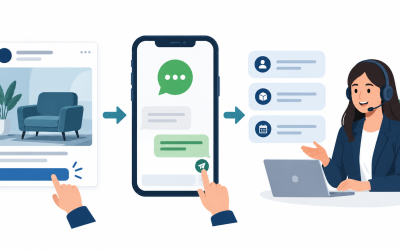
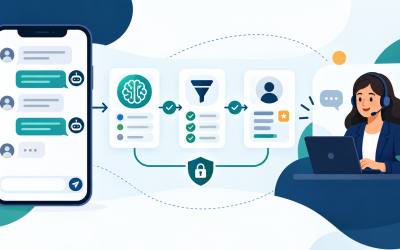
- User sends a message in Facebook Messenger or a website chat widget.
- The Messenger Platform routes the event to my bot via a webhook (HTTPS POST). The webhook receives a messaging event (text, attachment, postback).
- My bot processes the event (rule engine, NLP, or AI model) and returns a response payload to the Messenger Send API or the platform’s managed API.
- The platform delivers the response as an automated messenger reply back to the user. See Facebook Messenger Platform docs: developers.facebook.com/docs/messenger-platform/
- Key building blocks and integrations
- Webhook endpoint: secure HTTPS URL that accepts and verifies incoming events.
- Page Access Token & App Secret: credentials used to call the Send API and verify requests.
- Message handlers and messenger bot flow design: routing code or visual flow nodes that map intents to replies (use messenger bot templates and messenger bot tools for faster builds).
- NLP / AI layer: keyword matching, intent classifiers (Dialogflow, Rasa) or generative models for advanced conversational behavior.
- Integrations for lead generation messenger bot and ecommerce messenger bot: CRM, payment processors, analytics, and messenger bot plugins to enable commerce and recovery flows.
No-code vs developer builds, conversation design and automation
I build chatbots two ways: with a no-code messenger bot platform for speed and with custom facebook messenger API bot development for control. No-code options provide messenger bot templates, drag‑and‑drop flow editors and built‑in testing so you can create messenger bot setup quickly; ManyChat is a popular builder for fast deployment (多聊天).
- 无代码Messenger机器人: Use templates, visual messenger bot flow design and automated messenger replies to capture leads, run messenger bot marketing campaigns, and deploy multilingual messenger bot responses without heavy development.
- Developer/custom facebook messenger API bot: Use webhooks, the Send API and server‑side logic for complex messenger bot integration, custom messenger bot automation, and advanced messenger bot analytics.
- Conversation design & best practices: Map user journeys with clear entry points, fallbacks and human handoff; label automated replies, enforce the 24‑hour messaging window, and follow messenger bot best practices for UX and compliance.
- Testing & maintenance: Run messenger bot testing, track messenger bot analytics (fallback rate, conversion funnels), and schedule messenger bot maintenance to retrain NLP models and update flows.
For implementation examples and automated reply patterns, see my guide on automated messenger replies 和 Messenger机器人教程索引 for step‑by‑step lessons. For multilingual assistants and advanced generative features, Brain Pod AI offers multilingual chat assistant capabilities that can complement messenger bot deployments.

How to connect messenger bot?
Step-by-step messenger bot tutorial for connection, messenger bot plugins and platform integration
I connect messenger bots using a clear, repeatable setup that works for no‑code platforms and custom facebook messenger API bot builds. Follow this practical messenger bot tutorial flow to create messenger bot setup reliably:
- Prepare prerequisites
- Have a Facebook Page and be an Admin or Editor on it; pages without proper roles won’t appear during connect.
- Create a Facebook Developer account and a Facebook App in the App Dashboard if you plan to build a facebook messenger API bot.
- Decide whether to use a no‑code messenger bot platform for speed or a developer route for full control.
- Create the app and add Messenger
- In developers.facebook.com create a new App and add the Messenger product; note the App ID and App Secret and store them securely.
- Generate Page Access Token
- Under Messenger in the App Dashboard select your Page and generate a Page Access Token; this token authorizes Send API calls for the Page.
- Configure webhook and verification token
- Implement a secure HTTPS webhook endpoint that accepts POST events and responds to Facebook’s verification challenge; set a random verify token in the App Dashboard.
- Subscribe the app to page events
- Subscribe your App to your Page and select events (messages, messaging_postbacks, deliveries, optins) so Facebook routes events to your webhook.
- Request permissions and App Review
- Request scopes like pages_messaging or pages_manage_metadata and submit the App for Facebook App Review when you need production features beyond testing.
- Implement message handlers and Send API
- Build message handlers (rule‑based, messenger bot flow design or NLP), then use the Send API with the Page Access Token to send structured messages, templates and automated messenger replies.
- Test end‑to‑end
- Run messenger bot testing for messages, postbacks, quick replies and persistent menus; validate webhook responses, token rotation and error handling.
- Launch safely and follow messaging rules
- Respect the 24‑hour messaging window, use One‑Time Notification or permitted message tags for out‑of‑window messages, and provide clear opt‑out options.
- Maintain, secure and iterate
- Rotate tokens, host webhooks on HTTPS, schedule messenger bot maintenance, monitor messenger bot analytics, and iterate flows using A/B tests and messenger bot best practices.
For hands‑on walkthroughs I include step‑by‑step lessons in my Messenger机器人教程索引 和实用的 set up Facebook chat bot guide for ManyChat users.
Messenger bot plugins, platform integration and recommended tools
I integrate messenger bot plugins and third‑party tools to extend capabilities—CRM, ecommerce, payments, analytics and multilingual support—so you can build messenger bot for business workflows that scale.
- Choose the right messenger bot platform: Pick a messenger bot platform that matches your goals: no‑code messenger bot builders for rapid deployment and messenger bot templates; or developer frameworks (facebook messenger API bot) for deep messenger bot integration.
- Common messenger bot tools and plugins: Connect CRMs, email providers, WooCommerce or payment plugins for ecommerce messenger bot flows, and analytics tools for messenger bot analytics to measure conversion and retention.
- Automation and flow design: Use visual messenger bot flow design to chain automated messenger replies, conditional logic, and lead generation messenger bot sequences that capture contacts and push them to your CRM.
- 多语言和可访问性: Add multilingual messenger bot layers to serve global users and include accessible message templates to meet diverse audience needs.
- 测试和部署: Use staging Pages, test tokens and sandboxed environments for messenger bot testing before you deploy; when ready, follow how to deploy messenger bot best practices to minimize downtime.
If you want a builder comparison and monetization notes, refer to the Messenger 机器人构建器比较 和 如何创建Messenger机器人指南 for deployment patterns and commerce strategies that help you learn how to messenger bot earn money.
如何创建一个Messenger机器人?
Create messenger bot: no-code vs developer build
I start by choosing the right path to create messenger bot: a no-code messenger bot for speed and marketing use, or a developer route (facebook messenger API bot) when I need custom integrations and full control. With a no-code messenger bot platform I use messenger bot templates, visual messenger bot flow design and messenger bot tools to build, test and deploy quickly—ideal for messenger bot for business, lead generation messenger bot sequences and ecommerce messenger bot flows. For developer builds I implement webhooks, Page Access Token logic, and server-side messenger bot development so I can integrate CRM, payment plugins and advanced messenger bot automation.
- No-code messenger bot: fast setup, drag‑and‑drop flow editors, built‑in analytics and messenger bot testing for A/B experiments.
- Developer / facebook messenger API bot: custom messenger bot integration, complex automation, bespoke messenger bot plugins and precise messenger bot security control.
- Decision tip: if your goal is to monetize or scale (how to Messenger bot earn money), start no‑code to validate funnels, then migrate critical flows to a developer stack.
See step‑by‑step lessons in my Messenger机器人教程索引 and a practical setup guide for ManyChat and Pages in the set up Facebook chat bot 的操作指南。.
messenger bot development and messenger bot flow design
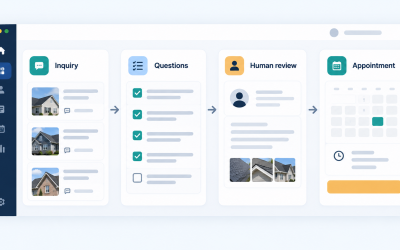
I build effective chatbot for messenger experiences by planning conversation architecture, mapping user journeys and using reusable messenger bot templates. Start with a welcome message, persistent menu and quick replies, then design fallback paths and human handoff. Implement intent detection (keyword rules or NLP), entity extraction and conditional logic so automated messenger replies feel helpful and reduce fallback rates.
- Flow design: map entry points, success events and failure recovery; use messenger bot flow design patterns for FAQs, appointment booking and cart recovery.
- Integrations: plan messenger bot integration with CRM, email, WooCommerce or analytics to track conversions using messenger bot analytics.
- Testing & deployment: run messenger bot testing in staging, validate multilingual messenger bot variants, then how to deploy messenger bot to live Pages with secure webhook and token management.
- Ongoing ops: schedule messenger bot maintenance, retrain models, and use messenger bot best practices and messenger bot tips to optimize retention and conversion.
For a full build and monetization roadmap, consult my practical guide on 如何创建Messenger机器人, which covers templates, tools and cost estimates for real‑world deployments.

你怎么知道你在Messenger上是否在与机器人交谈?
Short answer: behavioral cues, response patterns and account signals
Short answer: You can usually tell by a combination of behavioral cues, response patterns and account signals — bots often use template replies, quick replies, persistent menus and predictable flow logic, while humans show more variable timing, nuanced language and contextual awareness. Below are practical indicators, tests and next steps to verify whether you’re talking to a bot on Messenger.
Practical indicators, tests and messenger chatbot examples
- Predictable latency: Ultra‑fast, near‑constant reply times usually mean automation. Humans type with variable delays; bots respond consistently or with server‑timed intervals.
- Structured UI elements: Persistent menu, quick replies, carousels or “Get Started” flows are hallmark signs of a chatbot for messenger built on a messenger bot platform.
- Template language & repetition: Identical phrasing across different questions, canned greetings or reused messenger bot templates indicate flow‑based automation rather than natural conversation.
- Narrow scope and fallback loops: Repeated “I didn’t understand” or constant fallback prompts show limited intent handling; advanced bots still use fallback funnels and escalation rules.
- Poor handling of nuance: Bots struggle with sarcasm, idioms or multi‑turn context unless they use strong NLP or retrieval‑augmented models; test with idioms or context‑referencing questions.
- Page association and account signals: Chats tied to a Facebook Page (business profile) are often bots. Check the profile — Page‑backed conversations frequently indicate messenger bot for business usage.
- Link and form behavior: Bots built for lead generation messenger bot or ecommerce messenger bot funnels often push links, forms or cart recovery messages; verify links through the brand’s official Page.
Quick tests to run:
- Ask an off‑topic question or use sarcasm—bots often return fallback menus.
- Reference earlier messages indirectly (multi‑turn context). Low‑capability bots lose context quickly.
- Send an attachment, emoji or image—see if the system handles non‑text inputs or returns a canned reply.
- Look for UI signals (buttons, templates) and check the Page details to confirm whether the chat is tied to a Page or a personal profile.
For concrete messenger chatbot examples and automated reply patterns, review the automated messenger replies guide and my Messenger机器人教程索引 for sample flows, detection tips and best practices to spot fake or low‑quality bots.
How to Messenger bot earn money
Monetization strategies: messenger bot for business, messenger bot marketing and ecommerce messenger bot
I monetize messenger bots by treating the bot as a sales and conversion channel, not just a support tool. The quickest, highest‑ROI paths are: lead generation messenger bot funnels, in‑chat commerce and subscription or appointment revenue. For lead generation messenger bot flows I capture intent with messenger bot flow design, push qualified leads into CRM integrations, and prove LTV with messenger bot analytics.
- 潜在客户生成: Build conversational lead capture with messenger bot templates, automated messenger replies and conditional logic, then send leads to your CRM or email automation. This reduces CPL and feeds sales. See real examples in my Messenger机器人教程索引.
- 直接商业: Use messenger bot plugins and ecommerce integrations (cart recovery, product carousels, payment links) to close transactions in‑chat. An ecommerce messenger bot that reconnects abandoned carts typically recovers measurable revenue—plan flows and messenger bot testing before launch.
- Paid services & subscriptions: Offer premium content, paid scheduling, or tiered support via in‑chat payments and One‑Time Notifications. Ensure you follow the facebook messenger bot guide and messaging policies when billing users.
- Ads and sponsored messages: For mature Pages you can run sponsored message campaigns to re‑engage existing subscribers; combine with messenger bot analytics to target high‑value segments.
Start fast with a no‑code messenger bot platform to validate monetization (A/B test funnels, pricing and CTAs), then move mission‑critical flows to a developer stack for deeper messenger bot integration. For a monetization blueprint and cost estimates, see my practical 如何创建Messenger机器人指南. If you need a comparison of builders, the Messenger 机器人构建器比较 will help pick the right platform (ManyChat is a common choice: 多聊天).
How to make a Messenger bot for free and low-cost tactics
I recommend a pragmatic, no‑friction approach to learn how to make a Messenger bot for free: validate a single revenue use case, use free tiers of builders, and reuse messenger bot templates to cut time to value. Free builders and open tutorials let you build a functioning chatbot for messenger without upfront development costs.
- Use free platforms and templates: Register a free account on a messenger bot platform that offers no‑code templates, then import a lead capture or FAQ template and adapt copy and CTAs. Explore free messenger chatbot options in my free messenger chatbot options.
- 限制初始范围: Start with a single funnel—lead magnet, booking or cart recovery. Narrow scope reduces messenger bot development time and speeds monetization testing.
- Leverage built‑in tools: Use messenger bot tools for automated messenger replies, simple CRM connectors and messenger bot analytics on free plans. Iterate using messenger bot testing and user feedback before upgrading.
- Open‑source & developer shortcuts: If you know basic coding, use starter repos and the Facebook developer docs to build a minimal facebook messenger API bot with free hosting credits; see the developer docs at Facebook Messenger平台 and Python examples in my Messenger 聊天机器人 Python 教程.
When the free proof‑of‑concept proves value, reinvest in messenger bot plugins, better automation, multilingual messenger bot support and paid analytics to scale. For multilingual AI content or advanced generative features that speed content creation, consider complementary tools like 大脑舱人工智能 for multilingual assistant capabilities. Follow messenger bot best practices, secure tokens and schedule messenger bot maintenance as you scale so revenue grows without compliance or performance surprises.
 简体中文
简体中文  English
  Tagalog
  العربية
  हिन्दी
  Português do Brasil
  Español de México
  Français
  বাংলা
বাংলা  香港中文
香港中文  繁體中文
繁體中文  Nederlands
  Deutsch
  Bahasa Indonesia
  日本語
日本語  한국어
한국어  Polski
  Русский
  Español
  Tiếng Việt