

Bot messages on Instagram are not all the same, and that is exactly why so many people get burned. Some are legitimate business automations tied to comments, Story replies, or customer support. Some are ugly spam blasts selling fake growth, fake crypto, fake jobs, or fake verification help. Others are more dangerous because they look almost normal for the first two messages and only reveal themselves when they push you toward a sketchy link, an off-platform payment, or a request for account access.
If you only need the bigger growth-and-conversion playbook after this, keep our الدليل الكامل للدردشة الآلية على إنستغرام open for later. This article is narrower and more practical. It is about one problem: how to tell the difference between useful Instagram automation and the kind of bot messaging that wastes time, tanks trust, or puts an account at risk.
I checked Meta help pages, Instagram help pages, Manychat’s March 2026 help updates, Chatfuel’s current Instagram docs, CommentGuard’s live pricing page, Respond.io’s live pricing page, and MessengerBot.app’s current offer اعتبارًا من 12 أبريل 2026. That matters because this topic changes quietly. A guide written even six months ago can still have the wrong pricing, the wrong trigger limits, or the wrong explanation of what happens when a private reply lands in someone’s Requests folder instead of the main inbox.
Here is the practical frame I want you to keep in your head while reading. Legit Instagram bot messages react to user intent. Bad bot messages try to manufacture it. إذا رد شخص ما على قصتك، أو علق على مقطع الفيديو الخاص بك، أو أرسل رسالة مباشرة إلى عملك أولاً، فإن الأتمتة يمكن أن تكون معقولة تمامًا. إذا انزلق حساب عشوائي إلى صندوق الوارد الخاص بك مع إحساس زائف بالعجلة، أو الألفة الزائفة، أو الفرصة الزائفة، فمن المحتمل أنك تنظر إلى نص، وليس محادثة.
بقية هذا الدليل مصممة للاستخدام الحقيقي: كيفية التعرف على الروبوت في أقل من دقيقة، كيفية تقليل رسائل الروبوت من خلال إعدادات إنستغرام التي توجد بالفعل الآن، ما الذي لا يزال يسمح به ميتا لأتمتة الرسائل المباشرة، أي الأدوات موثوقة في 2026، وماذا تفعل إذا كنت قد نقرت بالفعل على شيء لا ينبغي عليك النقر عليه.
ماذا تعني رسائل الروبوت على إنستغرام بالفعل في 2026
تجمع معظم المقالات كل رسالة تلقائية على إنستغرام في فئة فوضوية واحدة، ثم تتصرف بدهشة عندما تتوقف النصائح عن أن تكون منطقية. في الحياة الواقعية, bot messages on Instagram تنقسم إلى أربع فئات.
| نوع رسالة الروبوت على إنستغرام | كيف تبدو عادةً | مستوى المخاطر | ماذا يجب أن تفعل |
|---|---|---|---|
| أتمتة الأعمال الشرعية | رسالة مباشرة بعد أن علقت، أو ردت على قصة، أو نقرت على إعلان رسالة مباشرة، أو اتصلت بعمل أولاً | منخفض | Check whether the message matches the trigger you just created |
| Gray-area growth automation | Cold outreach about followers, engagement, collaboration, or account growth | Medium to high | Ignore or block unless you explicitly asked for it |
| Spam bot messaging | Repetitive links, generic greetings, fast replies, random promotions, adult spam | مرتفع | Do not engage; restrict, block, or report |
| Scam or phishing bot | Fake copyright notice, fake verification help, fake brand deal, fake support warning, fake payment request | Very high | Report immediately and secure the account if you clicked anything |
That first category is the one people often miss. Instagram itself is full of automated business behavior now, especially around comments, ads, Story replies, and shared inbox workflows. Meta’s help pages still make it clear that professional Instagram accounts are the business layer, and Meta also recommends connecting a professional Instagram account to a Facebook Page to get more out of ads, message management, and third-party tools. That is not some underground loophole. It is the mainstream operating model.
At the same time, Instagram has not suddenly become an anything-goes DM playground. Professional accounts are public, not private. Message requests still exist. Hidden requests still exist. Restrictions around first-contact messaging still exist. So when people say “Instagram bots are illegal” or “all bot messages are spam,” they are collapsing two totally different realities into one bad take.
أوضح طريقة للتفكير في الأمر هي كما يلي:
- Helpful bot messages are short, relevant, and tied to something you just did.
- Spammy bot messages are generic, repetitive, and trying to drag you somewhere you never meant to go.
- Dangerous bot messages use urgency, authority, money, or account fear to make you act before you verify.
That difference matters whether you are a creator, a customer, a small business owner, or the poor person on the team who has to explain why the Instagram inbox is full of obvious nonsense. If your job is to build the useful version, not the spammy version, the safest automation patterns overlap heavily with what I covered in the earlier safe auto DM on Instagram guide. This refresh stays focused on the messages themselves: what they are, what they signal, and what you should do next.
How to Tell If an Instagram DM Is a Bot in Under a Minute
You do not need a forensic workflow to spot most Instagram bot messages. You need a short checklist and enough discipline to use it before curiosity takes over. When I triage suspicious DMs, I look at six things in roughly this order: trigger, account quality, message shape, link behavior, follow-up behavior, and escalation pressure.
1. Ask what triggered the message
If you never followed, commented, replied, clicked an ad, joined a giveaway, or contacted the account first, the message starts in a lower-trust state. That does not automatically make it malicious, but it means the sender needs to prove legitimacy before you give it any time.
2. Check whether the account looks coherent
Bad bot accounts still leave fingerprints. The bio is thin or copied. The posts are inconsistent. The follower-following ratio is weird. Comments under their posts look botted too. Their Stories highlight nothing real. Or the account pretends to be support for a brand but has no verification, no real content history, and no signs of actually being tied to the company it claims to represent.
3. Read the first two lines like a script, not a person
Bot messages are often short because they are optimized for one thing: getting you to reply or click. That means the opening line usually does one of the following:
- Creates urgency: “Your account is at risk.”
- Creates vanity: “We selected you.”
- Creates money temptation: “Earn daily.”
- Creates confusion: “Did you see this?”
- Creates politeness pressure: “Hi dear, quick question.”
None of those prove a bot on their own. But when the opening line is vague and the next message jumps straight to a link, a Telegram handle, a WhatsApp number, or a payment ask, the pattern is doing the talking for you.
4. Watch what happens when you break the script
This is still one of the easiest tests. Ask a slightly weird but harmless question. Change the topic. Reply with a detail that forces context. Many spam bots either loop, reset, or answer with something that only makes sense if they were expecting one of three prewritten responses. Newer AI-assisted spam is better than old scripts, but it still tends to shove the conversation back toward the same destination: the link, the offer, the claim, or the payment.
5. Notice where the message wants to move you
Legit business automation often keeps you inside a familiar path: a brand site you recognize, a support flow you initiated, a booking page connected to the business, or a simple keyword flow tied to the post you just interacted with. Scam bot messages love sharp exits: Telegram, WhatsApp, a tiny payment, a password reset link, a fake login page, or an “agent” who suddenly needs you off-platform.
6. Look for pressure stacking
The most dangerous Instagram bot messages usually stack multiple pressure signals fast. Fake support plus urgency. Fake brand deal plus exclusivity. Fake verification plus fear of account loss. Fake romance plus investment talk. The point is to collapse your decision time.
When I put all that together, I end up with a simple field test:
- Expected? Did I create a reason for this message to happen?
- Coherent? Does the account look like a real person or business with a stable history?
- Specific? Does the message refer to a real trigger or just a generic hook?
- Safe path? Does it keep me in a normal workflow instead of rushing me to a strange link or app?
- Stable? Does the conversation hold up when I stop behaving like the perfect prospect?
If a DM fails three of those five checks, I stop treating it like a conversation and start treating it like hostile automation. That is not paranoia. It is efficient inbox hygiene.
Why Bot Messages Keep Landing in Your Instagram Inbox
Most people assume that if bots keep messaging them, Instagram must be letting anything through. That is not quite right. Instagram actually has several layers between you and unwanted messages, but those layers are designed around message requests, hidden requests, restrictions, and account controls. They are not magical spam erasers.
Meta’s current help pages still explain the structure clearly. If someone messages you and you do not follow them, the message may land in Message Requests depending on your settings. Instagram also lets you choose whether people on Instagram send requests to your Message Requests folder or whether you receive them at all. On top of that, Instagram can place potentially offensive or spammy requests into Hidden Requests, where you do not get notifications.
That means bot messages usually reach you through one of these lanes:
- Standard message requests: the sender is unknown, but their message was not filtered as hidden.
- Hidden requests: Instagram suspects spam, offensive content, or text matched by your Hidden Words settings.
- Main inbox after acceptance: you previously accepted the message request or already interacted with the sender.
- Business-triggered workflows: you commented, replied to a Story, or started a conversation with a business.
The problem is that all four can look similar from the user’s side if you do not pay attention to context. A normal private reply from a business after you commented on a Reel may land in a Requests-style path if you do not follow that account. Chatfuel’s current Instagram docs explicitly warn that DMs to non-followers can end up in the Requests folder with no new-message notification. That is not a scam signal by itself. It is just how Instagram handles new contact attempts.
There is a second reason bot messages keep showing up: Instagram is a high-intent place to hijack attention. People use it to shop, flirt, follow creators, discover local businesses, and reply in the moment. That makes DMs valuable. A scammer does not need a perfect conversion rate if the message reaches distracted people who already expect casual outreach on the platform.
In practice, the messages I still see most often in April 2026 fall into a few recurring buckets:
- Fake account review, fake copyright, or fake verification warnings
- Growth-service spam promising followers, views, likes, or monetization
- Fake collaboration or influencer outreach with a suspicious file or link
- Adult-content or dating bait designed to move you off-platform
- Crypto, trading, or remote-job scams pretending to start casually
Businesses see a different variant of the same problem. If you run ads, publish viral Reels, or use comment calls to action, you create more openings for both good and bad automation. Legit tools want to turn those entry points into structured replies. Bad actors want to hijack the attention around them. That is why teams managing both Instagram and Messenger usually end up needing a tighter operating model, not just more replies. If your inboxes are getting messy across channels, the Facebook Messenger Business Inbox guide is useful because it focuses on routing, response discipline, and shared ownership instead of pretending every DM should live inside one person’s phone forever.
Instagram Settings That Cut Down Bot Messages Fast
This is the part people skip because they assume the settings will be buried, weak, or cosmetic. They are not perfect, but they are worth doing. If you have never tuned Instagram’s message controls, hidden requests, mention settings, and restriction tools, you are basically leaving the default door position wherever Instagram last set it.
The fastest cleanup plan in 2026 looks like this.
1. Tighten message request controls
Instagram’s help pages still say you can choose whether message requests from people on Instagram go to your Message Requests folder or whether you receive them at all. That setting lives under Messages and story replies ثم Message controls. If you are getting hammered by low-value cold DMs, changing this setting buys you real peace quickly.
2. Turn on Hidden Words for message requests
Instagram’s help pages say hidden message requests can catch content that may be offensive, unwanted, contain spam, or match your Hidden Words preferences. Hidden requests are separated from the normal inbox, and you do not get notifications for them. That is exactly what you want for the usual flood of fake offers, scam hooks, and recycled spam phrases.
Meta also notes that for Teen Accounts, settings to hide unwanted comments and message requests are turned on automatically. Teens under 16 need a parent or guardian’s permission to loosen those settings. That is a strong clue about how seriously Meta now treats message-request abuse on the platform.
3. Use Restrict before you Block when you need quieter control
Restrict is still underrated. Instagram says a restricted person’s future messages move to Message Requests, they cannot see when you are online or whether you read the message, and you do not get comment notifications from them. That makes Restrict excellent when you want distance without creating a dramatic block-and-reappear cycle.
4. Set mention controls tighter than you think
Instagram lets you decide who can mention or tag you. If you are constantly getting dragged into spam captions or bait mentions, narrowing this setting reduces noise before it turns into DM follow-up. It is a simple change, but it helps a lot for creators and business accounts that attract opportunistic outreach.
5. Report messages, not just accounts
Instagram currently lets you report an individual message or a one-to-one chat. That matters because sometimes the account looks normal enough, but the content of the message is the problem. Report the behavior you saw, not only the profile you dislike.
6. Revoke obvious third-party junk if you already linked it
One of Instagram’s scam warnings that still matters is its advice to be careful with third-party apps, browser extensions, or tools that want your login before doing anything useful. If you ever handed credentials to a “growth” tool, a follower app, or a random automation service, clean that up now. Bad automation often starts outside the inbox, then shows up inside it later.
7. Review your business setup if you actually want helpful automation
If you run a business account, do the opposite of what spam tools want. Use a professional account, connect the right Facebook Page when needed, give only the correct staff access, and manage messages through official or reputable tools. Meta’s own help pages still say connecting a professional Instagram account to a Facebook Page lets you manage messages and comments from Inbox in Messenger or Meta Business Suite, integrate third-party apps, and use cross-app business tools. That is the supported lane.
My recommended setup checklist is simple:
- اذهب إلى Messages and story replies and review Message Controls.
- Turn on Hidden Words for comments and message requests.
- Tighten who can mention you.
- Restrict repeat nuisances before they escalate.
- Block obvious scam accounts with no downside.
- Report message content, not just the profile.
- Audit any third-party app with account access.
- If you are a business, make sure the official account setup is clean before blaming the inbox.
None of that is glamorous. It works anyway. A lot of Instagram bot-message pain is not caused by one massive vulnerability. It is caused by ten small defaults left untouched for too long.
What Meta Actually Allows for Instagram Messaging Automation
This is where the conversation usually gets sloppy. People mix official Instagram automation, gray-market outreach, AI replies, comment-triggered private messages, and outright spam into one bucket called “bots.” Meta does not treat those things the same way, and if you are building with Instagram instead of just defending against it, you cannot afford to blur the rules.
The current official and tool-level picture is pretty consistent اعتبارًا من 12 أبريل 2026. The platform still favors user-initiated conversations, event-based replies, and time-boxed messaging windows.
| Current rule or limitation | What it means in practice | Source trail behind it |
|---|---|---|
| Professional accounts are the real business layer | Business and creator accounts can use the serious message-management and integration paths; personal accounts cannot play the same game | Instagram Help says professional accounts are Business or Creator and are public |
| Page linking still matters for many workflows | Meta Help still says linking a professional Instagram account to a Facebook Page enables message management, ads, and third-party-app access | Instagram Help and Facebook Help |
| Comment-based private replies are limited | Meta’s private reply model gives you a first DM after a comment, not an open-ended cold-outreach loophole | Meta’s Postman documentation and current tool docs |
| The 24-hour window still controls follow-up | Once a user interacts, you get a time-boxed messaging lane; without interaction, you cannot just keep sending | Manychat and Chatfuel current docs |
| New commenters usually get one first DM | Chatfuel’s current Instagram rules say new contacts get 1 DM after they comment, then you wait for a reply | Chatfuel help |
| Private replies can land in Requests | If the person does not follow you or has not approved messaging, the first DM may go unseen in Requests | Meta Help, Chatfuel help, tool docs |
| Story mention triggers have real constraints | Manychat’s current docs say Story Mention Reply only fires when the mention comes from a public profile | Manychat help |
The useful details are in the edge cases. Manychat’s current comments-trigger documentation is one of the clearest public explanations in the market right now. It says the first private reply node is limited, that you have to send it as a private reply to continue the automation, and that the 24-hour messaging window does not open until the user interacts with that message. That one detail alone should kill a lot of bad expectations people still have about comment-to-DM funnels.
Manychat also notes a subtle platform restriction most low-quality guides miss: for Instagram Post and Reel comment triggers, the automation only fires on the first comment a user leaves under a post or Reel when using the same keyword. That is not a Manychat quirk. The help article frames it as an Instagram-side limitation that applies to tools using the API.
Chatfuel’s current Instagram messaging rules point in the same direction. For new contacts who comment on a post or Reel, you can send one DM, and no additional messages can be sent until the contact replies. For existing contacts, the rules move into the standard window model: AI gets 24 hours, while live chat has a longer human-response path. Again, that is response infrastructure, not a blank check for cold outreach.
Meta’s own help ecosystem backs up the practical setup assumptions too. The Help Center still says connecting a professional Instagram account to a Facebook Page lets businesses manage comments and Instagram Direct messages from Inbox in Messenger or Meta Business Suite, and the Page-linking flow still prompts personal accounts to switch to professional during connection. Meanwhile, the Postman-hosted Instagram API docs still describe the Facebook Login path as one that requires a Page linked to a professional Instagram account before you start.
So if someone pitches you an Instagram bot that mostly sounds like “message anyone at scale,” assume they are selling around the platform, not with it. Official automation in 2026 is still built around:
- Story replies
- Story mentions
- Comment-triggered private replies
- Click-to-DM flows
- Customer-service and lead-handling after the user interacts first
That may sound restrictive. In practice, it is good discipline. The best Instagram messaging systems convert because the user already showed intent, not because the tool found a technical way to spray strangers.
Best Tools for Legit Instagram Bot Messages in 2026
Tool choice matters, but not because one app can magically break Instagram’s rules better than another. The real difference is whether the tool helps you stay inside the supported lane while still making the inbox useful. Pricing and feature notes below were checked against public pages and help docs اعتبارًا من 12 أبريل 2026.
| أداة | Current public entry point | Best fit for Instagram bot messages | What I would watch closely |
|---|---|---|---|
| مانيتشات | Free plan with up to 25 Active Contacts; Essential from $17/month for newer accounts under the March 2, 2026 pricing model | Creators and marketers using comment triggers, Story replies, Story mentions, and lead capture | Plan availability varies by account age and region; legacy pricing still exists for older workspaces |
| تطبيق MessengerBot | Premium currently promoted at $19.99 per 30 days, listed from $29.99 | Businesses that want Instagram in the same stack as Messenger, website chat, comment tools, and follow-up automation | Best when Meta channels matter together, not when Instagram is your only job |
| شات فيول | Fuely Super from $39/month for 150 active contacts; Fuely Max from $59/month for 150 active contacts | Teams that want AI-handled Instagram comments and DMs with stronger active-contact management | Pricing is no longer the old flat single-plan story many comparison posts still repeat |
| CommentGuard | Starter $29/month for up to 5,000 comments with unlimited FB and IG pages and unlimited team members | Comment-heavy brands that need moderation, rotated replies, and private follow-up tied to comments | Strong on comments; not a full Instagram DM auto-responder for every possible use case |
| Respond.io | Starter $79/month, Growth $159/month, Advanced $279/month | Sales and support teams running Instagram alongside WhatsApp, email, and a broader shared inbox | Often overkill for solo creators but useful for structured team workflows |
مانيتشات is still the easiest first recommendation for Instagram-first teams because its public help docs now explain the real trigger mechanics unusually well. The new March 2, 2026 pricing articles say the Free plan includes up to 25 جهة اتصال نشطة, up to قناتين, and up to 4 live automations. The Essential plan starts at $17 شهريًا for newer accounts and includes up to 250 Active Contacts. Those numbers are materially different from older roundup posts, so if you are budgeting based on stale screenshots, fix that first.
تطبيق MessengerBot is the value pick when Instagram is not your only messaging channel. The public pricing page is still showing بريميوم بسعر $19.99 لكل 30 يومًا as a discounted offer from $29.99. That is not a pure Instagram DM specialist pitch. It is a broader Meta and website-chat play. If you need the fuller tradeoff discussion rather than just a price mention, the ManyChat vs Chatfuel vs MessengerBot comparison is the better companion read.
شات فيول is where a lot of outdated content falls apart right now. The old “one $69 plan” framing is no longer accurate. Chatfuel’s current help pages show active-contact pricing under Fuely Super و Fuely Max, with Super 150 at $39/شهر and Max 150 at $59/month. More important than the price, though, are the Instagram task docs. Chatfuel now openly frames Instagram work around answering messages, answering ad messages, and replying to comments from posts, Reels, and ads. That is exactly the kind of supported workflow language you want to see.
CommentGuard is better than people expect when the real problem is comment chaos, not general DM automation. Its pricing page still shows $29/month for Starter with up to 5,000 comments, unlimited Facebook and Instagram pages, unlimited team members, and unlimited AI responses. Its Instagram auto-comments page also spells out something useful: you can rotate public-reply variations, add delays up to 10 minutes, choose posts only or ads only, and optionally send a DM in response to a comment. That is a clean, moderation-first use case.
Respond.io is the operations tool. Its public pricing is still $79/month للبداية, $159/month for Growth, and $279/month for Advanced. That is harder to justify for a solo creator, but easier to justify for a business that already needs a serious shared inbox across Instagram, WhatsApp, and other channels.
The main buying mistake to avoid is obvious once you see it: do not pay for a tool whose sales page sounds like cold outreach when your real use case is user-triggered messaging. Instagram bot messages work best when the software makes your opt-in logic, moderation, timing, and handoff cleaner. If the whole pitch is scale for the sake of scale, move on.
Comment-to-DM and Story Reply Flows That Still Work
If you run a business account, this is the section that matters most. The strongest Instagram bot messages in 2026 are still not cold DMs. They are the first relevant reply after a user already did something. Comment-to-DM flows, Story reply flows, and Story mention flows keep working because they are aligned with intent instead of fighting it.
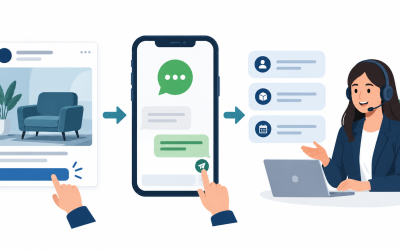
Comment-to-DM still wins because it starts in public and finishes in private
The core play is simple. Your Reel, post, or ad asks for a specific comment keyword like GUIDE, PRICE, MENU, LINK, o SAMPLE. The user comments. The tool sends one short public acknowledgement and one private reply. If the user interacts with that reply, the real conversation opens.
That model works because it respects how Instagram’s messaging windows still behave. Manychat’s current docs are explicit that the first private reply is limited and that the 24-hour window only opens after the user interacts with the message. Chatfuel says the same thing in plainer language: new contacts from comments get one DM, then you wait for the reply. The platform wants proof of interest before it allows deeper messaging.
Story reply automation works because it is emotionally closer to the moment
Story replies are strong because people usually send them when interest is fresh. Someone saw a product, a behind-the-scenes clip, an availability notice, a before-and-after, or a menu item and reacted immediately. Manychat’s current Story Reply docs say the trigger can fire when someone replies with a message or even an emoji reaction, and you can delay the first message up to 10 minutes to make the interaction feel less robotic.
That small delay option matters more than people think. An instant reply is not always bad, but a slight pause often makes the response feel like fast customer service instead of an obvious machine. The goal is not to fake humanity. It is to avoid creating a dead, rigid interaction in the first five seconds.
Story mention automation is great for warm intent and user-generated content
Story mention replies are one of the cleanest forms of Instagram automation because the person already put your brand into their own Story. Manychat’s help article now makes the constraints very clear: the trigger only works if the mention came from a public Instagram profile, and you can decide whether to reply to every mention or only one mention within a 24-hour period. You can also add a delay and react with a heart before the DM lands.
That is exactly the kind of update good operators use. If you are a skincare brand, a restaurant, a gym, a coach, or a creator with strong community mentions, Story mention replies can be genuinely high quality because they feel like a fast thank-you plus a useful next step, not a forced funnel.
The setup pattern I recommend for most brands
- Choose one trigger only. Start with comments, Story replies, or Story mentions. Do not build three messy automations on day one.
- Write one first reply that fits the trigger. If the person commented GUIDE, send the guide. If they replied to the Story, answer the Story context. If they mentioned you, acknowledge the mention.
- Give one clear next action. Tap for the link. Pick size help or product details. Book now or ask a question.
- Keep the first reply short. One screen, one idea, one reason to continue.
- Use reply variations where possible. Manychat and CommentGuard both now support rotated variations, which helps keep public replies from looking canned.
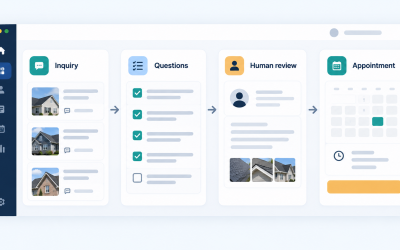
- Plan the human handoff before launch. If the user asks something specific, make sure a real person can take over cleanly.
That last point is where many teams still fail. They obsess over the trigger and ignore the handoff. If your team also runs Messenger, keep the wording, tags, and escalation rules aligned. Otherwise Instagram leads get one experience and Messenger leads get another. If you need a simple companion walkthrough for the Facebook side of that response logic, the إعداد الرد التلقائي للماسنجر guide is the best next step.
There is also one thing I would not do: build long nurture trees on the first reply just because the software lets you. Most good-performing Instagram bot messages are compact. They feel like a useful answer or a clean bridge, not a quiz show.
Bot Message Examples: Scam DMs vs Legit Business Automation
Examples make this topic easier than theory ever will. Below are the kinds of messages I would treat very differently even though they all qualify as some form of Instagram bot message.
| Message example | Likely type | What makes it look that way | Best response |
|---|---|---|---|
| “Thanks for commenting GUIDE. I just sent the checklist. Want the video version too?” | أتمتة الأعمال الشرعية | It matches a visible trigger and gives a normal next step | Safe to continue if you just commented |
| “Thanks for the Story mention. Here is the product link and the shade guide.” | أتمتة الأعمال الشرعية | Context matches the mention and the message is not pretending to be personal | Low risk if it came from the real brand account |
| “Hello dear, we can promote your account to 50k followers in 2 days.” | Spam bot | Generic opener, impossible promise, no trigger, growth-service language | Restrict or block |
| “Your account is scheduled for restriction due to policy issues. Appeal here now.” | Scam or phishing bot | Urgency plus fear plus a link; common fake-support pattern | Do not click; report immediately |
| “We loved your content. Please download the collaboration brief from this file.” | Possible scam | Fake brand-deal bait often arrives from thin accounts or cloned brand accounts | Verify through the real brand site or email domain |
| “Check your requests. I sent the menu after your comment.” | Legit business follow-up | Matches Instagram’s real Requests-folder behavior for non-followers | Reasonable if you actually commented first |
| “Hi, are you available for remote work? Earn daily commissions.” | Scam bot | Cold outreach, vague job framing, money hook, likely funnel to task scam | Ignore, block, report |
| “Reply YES to secure your blue badge verification slot.” | Scam or gray-market spam | Verification help sold through DMs is a giant red flag | Ignore and report |
Notice what the good examples have in common. They are boring in the best possible way. They make sense because you know why they happened. They do not invent a crisis. They do not pretend to be intimate. They do not race you toward a sketchy destination.
Now compare that with the usual scam patterns:
- Fake copyright notice: tries to scare you into a fake appeal page or fake support chat.
- Fake collab bait: flatters you fast, then pushes a file, login page, or off-platform move.
- Fake support or verification help: uses authority language and urgency to get credentials.
- Growth-service spam: promises followers, engagement, or monetization at impossible speed.
- Job or investment bait: starts casually, then pivots to money, crypto, or “tasks.”
The trick is not memorizing every script. It is understanding the incentives behind them. Legit business automation is trying to continue a conversation you already started. Scam automation is trying to create a conversation you never asked for, then control the route it takes.
One more nuance worth remembering: good bot messages can still be annoying if the business built them badly. That does not automatically make them scams. It just means the brand wrote weak automation. If you are designing your own flows, keep them useful enough that nobody reading this guide would mistake them for spam.
When to Block, Restrict, Report, or Escalate an Instagram Bot Message
The wrong move here is treating every bad DM the same. Sometimes you just want silence. Sometimes you want evidence reviewed. Sometimes you need to harden the account because you clicked a link or shared information. The right response depends on what actually happened.
Use Block when the relationship is simple: I never want this account near me again
Instagram’s block tools are straightforward and still useful. If the sender is obvious spam, fake support, adult bait, or repeated scam outreach, blocking is efficient. You are not negotiating. You are removing surface area.
Use Restrict when you want distance without attention
Restrict shines when the sender is annoying, manipulative, or borderline, but you do not want them measuring your behavior. Instagram says restricted users cannot see when you are online or whether you read their messages, and their future messages get moved to Requests. That is often better than blocking for low-grade repeat nuisances.
Use Report when the content itself matters
If the message contains impersonation, fraud, harassment, malicious links, or clear scam behavior, report it. Instagram lets you report an individual message or the whole one-to-one chat. That creates a record and helps the platform learn from the pattern instead of just hiding it from your own eyes.
Escalate beyond Instagram when you already clicked or shared something
This is the line people hesitate on too long. If you clicked a suspicious link, downloaded a “brief,” typed credentials into a page you now doubt, or handed over account-recovery data to a fake support contact, stop thinking of it as an inbox problem. It is now an account security problem.
Do this immediately:
- Change your Instagram password.
- Turn on or re-check two-factor authentication.
- Review your login activity and devices.
- Remove access for any suspicious third-party app or browser extension.
- Check whether linked Facebook Pages, ad accounts, or business tools were affected too.
- Warn teammates if the account is shared.
- Document the message, the account, and the URL before deleting anything important.
If you are running a team inbox, this is where process matters more than personal instinct. A shared business account should have clear rules for what gets blocked, what gets restricted, what gets reported, and what gets escalated to account-security review. If your Instagram and Messenger support are both growing faster than one person can manage casually, read the Facebook Messenger Business Inbox guide alongside this refresh and build one clean response policy across both channels.
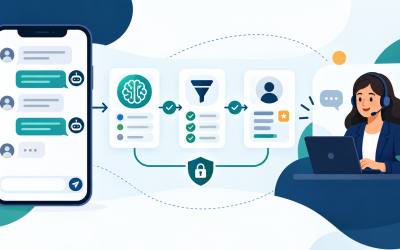
The other escalation path is strategic, not defensive. If your business is getting bot-like volumes of repetitive questions from real users, stop answering them in the most expensive possible way. That is when a safe automation layer becomes useful. Build structured replies, not staff burnout. Build event-based DMs, not spam. Build official flows, not hacks.
If you want the supported route instead of another sketchy “growth” tool, عرض تسعير MessengerBot to compare the current offer, then use تصفح دوراتنا التدريبية if you want the build path before spending anything.
Frequently Asked Questions About Bot Messages on Instagram
هل يمكن للروبوتات إرسال رسائل إليك على إنستغرام؟
نعم. بعض رسائل بوت إنستغرام هي أتمتة أعمال شرعية مرتبطة بالتعليقات، ردود القصص، الإعلانات، أو سير العمل للدعم. بينما البعض الآخر هو رسائل مزعجة أو احتيالية. الفرق الرئيسي هو ما إذا كنت قد أنشأت سببًا لحدوث الرسالة وما إذا كانت الرسالة تتبع مسارًا طبيعيًا بدلاً من فرض الإلحاح أو رابط مشبوه.
كيف يمكنني أن أعرف إذا كانت رسالة مباشرة على إنستغرام من روبوت؟
ابدأ بالسياق. إذا لم تتفاعل مع الحساب من قبل، فإن الرسالة المباشرة تكون ذات ثقة أقل على الفور. ثم تحقق من جودة الملف الشخصي، والرسالتين الأوليين، ووجود إحساس غامض بالعجلة، وما إذا كان المرسل يحاول دفعك إلى تطبيق آخر، أو ملف، أو دفع سريعًا. عادةً ما تتطابق أتمتة الأعمال الجيدة مع حدث قمت بإنشائه للتو. عادةً ما تشعر رسائل الروبوت السيئة بأنها عامة أو تManipulative.
هل يُسمح بأتمتة الرسائل المباشرة على إنستغرام في عام 2026؟
نعم، ولكن فقط في مسارات محددة. لا تزال وثائق ميتا والأدوات الحالية تشير إلى الرسائل التي يبدأها المستخدم، والردود الخاصة التي يتم تفعيلها بالتعليقات، والردود على القصص، والذكريات في القصص، وتدفقات النقر إلى الرسائل المباشرة، ونوافذ المتابعة المحددة زمنياً. التواصل البارد بالجملة والأتمتة المعتمدة على تسجيل الدخول المشبوهة هي حيث يرتفع الخطر بسرعة.
لماذا تذهب رسائل الروبوت إلى مجلد الطلبات بدلاً من صندوق الوارد الرئيسي؟
لأن إنستغرام يعامل المرسلين الجدد أو غير المعتمدين بشكل مختلف. إذا لم يكن المرسل يتابعك أو لم توافق على رسائله، فقد تذهب رسالته المباشرة إلى طلبات الرسائل. يمكن أن تذهب الطلبات التي قد تكون مسيئة أو مزعجة أيضًا إلى الطلبات المخفية، حيث لا تتلقى إشعارات. هذا سلوك طبيعي للمنصة، وليس دليلاً على أن كل طلب ضار.
ماذا يجب أن أفعل إذا نقرت على رسالة بوت مشبوهة على إنستغرام؟
افترض أنه الآن مشكلة في أمان الحساب، وليس مجرد إزعاج في الرسائل. قم بتغيير كلمة المرور الخاصة بك، تحقق من المصادقة الثنائية، راجع نشاط تسجيل الدخول، أزل الوصول المشبوه من الأطراف الثالثة، وثق ما حدث، وقدم تقريرًا عن الرسالة. إذا كان الحساب مشتركًا بين فريق أو مرتبطًا بصفحة فيسبوك، تحقق من تلك الأصول المرتبطة أيضًا.
 العربية
  English
  Tagalog
  简体中文
简体中文  हिन्दी
  Português do Brasil
  Español de México
  Français
  বাংলা
বাংলা  香港中文
香港中文  繁體中文
繁體中文  Nederlands
  Deutsch
  Bahasa Indonesia
  日本語
日本語  한국어
한국어  Polski
  Русский
  Español
  Tiếng Việt