

Introduction to Sales Chatbots for Small Business
A sales chatbot acts as a dedicated, automated digital assistant embedded within a small business website or messaging platform, strategically designed to interact with visitors at the precise moment they show buying intent. Customers increasingly expect immediate, on-demand communication, consumer expectations have shifted dramatically toward immediate, on-demand communication. Small businesses often struggle to meet this demand, balancing limited personnel resources against the necessity of responding to inquiries before a prospect moves on to another option. By deploying a sales chatbot, a business creates an always-on mechanism that not only greets visitors but actively works to capture essential contact information and initiate the critical early stages of the lead qualification process.
A sales chatbot differs a sales chatbot from generalized conversational systems or basic FAQ bots. While an bots de atendimento ao cliente bot focuses on resolving existing user issues or answering support-related questions, a sales chatbot is engineered with a proactive, conversion-oriented framework. Its primary function is to guide a potential buyer through a structured dialogue, identifying their needs, assessing their readiness to purchase, and ultimately preparing them for a transition to a human sales representative. This specialized focus ensures that human sales teams are not bogged down by unqualified traffic or repetitive preliminary questions. Instead, they can dedicate their expertise to high-value interactions, negotiations, and closing deals. Integrating such a tool effectively requires careful planning and a deep understanding of the business’s specific sales funnel, ensuring that the automated interactions seamlessly complement the overarching sales strategy.
Key Use Cases for a Sales Chatbot
The practical applications of a sales chatbot are diverse and can be tailored to fit the unique operational realities of different small business models. However, certain core use cases consistently demonstrate significant value by addressing common bottlenecks in the inbound sales process. Understanding these applications is the first step in configuring a system that aligns with specific business objectives and customer engagement strategies.
Proactive Lead Capture
One of the most immediate and impactful use cases for a sales chatbot is its ability to facilitate proactive lead capture. Traditional methods, such as static web forms or contact pages, rely entirely on the visitor’s initiative to seek out the form, complete the required fields, and submit their information. This passive approach often results in lost opportunities, particularly when visitors are hesitant or only mildly interested. A sales chatbot transforms this dynamic by proactively initiating a conversation based on behavioral triggers. For example, if a visitor spends a significant amount of time on a critical pricing page or demonstrates exit intent by moving their cursor toward the browser’s close button, the chatbot can automatically appear with a relevant, contextual greeting.
This conversational approach to data collection often feels more natural and less intrusive than a traditional form. The chatbot can ask for information iteratively—requesting a name first, followed by an email address or phone number in the context of offering a specific resource or answering a question. This micro-commitment strategy can significantly reduce the friction associated with lead capture, encouraging a higher volume of prospects to share their contact details. To understand how this fits into your broader digital ecosystem, you can explore the core capabilities of Bot de mensagens.
Initial Triage and Routing
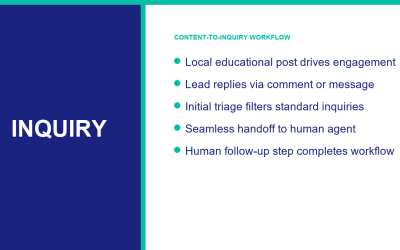
Beyond simply gathering contact information, a sales chatbot excels at performing initial triage and routing. When a small business receives a high volume of inbound inquiries, separating high-quality sales leads from general inquiries, support requests, or unrelated solicitations can be incredibly time-consuming. A sales chatbot addresses this challenge by guiding the user through a series of structured, predefined questions designed to categorize their intent. By asking specific questions about the user’s goals, timeline, or current challenges, the chatbot can effectively classify the nature of the inquiry.
Once the intent is categorized, the chatbot can route the prospect to the most appropriate channel or team member. A user seeking immediate purchase information can be routed directly to the sales team’s workflow, while a user asking a technical question can be directed to support resources. This intelligent routing ensures that sales personnel focus exclusively on viable sales opportunities, optimizing their time and improving overall operational efficiency. It represents a fundamental shift from manual sorting to automated, logic-based distribution of inbound interest.
Principles of Effective Lead Qualification
Capturing a lead is merely the preliminary step; determining the quality, readiness, and fit of that lead is where a sales chatbot provides substantial operational practical advantage. Effective lead qualification requires a deliberate strategy for extracting the right information at the appropriate stage of the conversation, ensuring that the data gathered is actionable for the human sales team.
The foundation of effective chatbot-driven lead qualification lies in clearly defining what constitutes a qualified lead for your specific business. These criteria vary wildly depending on the industry and target market. For a B2B software provider, qualification might hinge on understanding the prospect’s company size, their budget for technology initiatives, and their timeline for implementation. For a local service business, qualification might focus on the prospect’s geographic location, the specific service they require, and how quickly they need assistance. Before configuring a chatbot, a business must identify these critical data points.
Once these criteria are established, they must be translated into a natural conversational flow. The chatbot should not simply interrogate the user with a list of rigid questions. Instead, the questions should be woven into the dialogue logically. As the chatbot collects qualification data, the underlying logic can be structured to assign implicit priority or scores to the incoming leads. This automated scoring mechanism allows a small business to systematically categorize leads based on their immediate value and readiness to engage. For instance, a prospect who indicates they have an immediate need and a confirmed budget can be flagged as a “hot” lead, triggering an immediate notification to the sales team for rapid follow-up. Rapid follow-up is critical, as improving your speed-to-lead can significantly impact conversion rates.
Navigating Consent and Fit
Deploying a sales chatbot requires a conscientious approach to user consent and a clear understanding of the technology’s appropriate application within the business. Maintaining transparency is not just a best practice; it is essential for building trust and ensuring a positive user experience from the very first interaction.
It is crucial that users are immediately aware they are interacting with an automated system. Attempting to pass off a chatbot as a live human agent is a flawed strategy that frequently leads to frustration when the system inevitably fails to understand complex nuances or contextual cues. The chatbot should clearly introduce itself as a digital assistant, setting accurate expectations for its capabilities. Furthermore, the process of capturing user data must be completely transparent. Users must understand why their information is being requested and how it will be used for subsequent sales follow-ups. Businesses should also ensure they are operating in alignment with relevant standards and guidelines. For broader context on responsible business practices and digital marketing standards, reviewing resources like the FTC advertising and marketing guidance, frameworks from NIST, or general advertising principles from Meta Business help can provide valuable perspective on maintaining clear and compliant communication boundaries.
Designing Handoff Boundaries
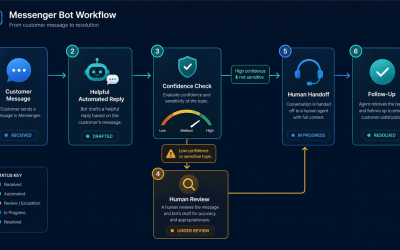
A sales chatbot is a powerful facilitator, but it is rarely the closer. The final stages of a complex sales process—negotiation, custom proposals, and relationship building—typically require the nuance and empathy of a human representative. Therefore, designing clear and effective boundaries for when and how the transition from bot to human occurs is a critical element of a successful implementation.
The rules governing the handoff must be clearly defined within the chatbot’s logic architecture. Small businesses should establish specific triggers that initiate the transition to a human agent. The most obvious trigger is a direct request from the prospect to speak with a person. If a user types “talk to a human” or “contact sales,” the system should immediately begin the handoff process. Another critical trigger is task completion; if a prospect successfully navigates a high-value qualification flow, such as answering all necessary questions to request a custom quote, the bot should seamlessly pass the conversation to a sales representative to finalize the process.
The success of a handoff relies entirely on context preservation. When a prospect is transferred from the chatbot to a human agent, the agent must receive the complete history of the interaction, including all captured contact information and the answers provided to qualification questions. Forcing a prospect to repeat information they have already provided to the chatbot is a significant point of friction and can quickly derail a promising sales opportunity. The transition should feel smooth and continuous. Ideally, the handoff occurs within the same communication channel, allowing the human agent to seamlessly step into the chat interface.
Measurement and Process Tracking
The implementation of a sales chatbot is not a static event; it requires ongoing analysis to ensure it is functioning as intended and delivering measurable value to the business. Establishing robust tracking practices is essential for identifying areas of friction and optimizing the conversational flow over time.
To evaluate the true effectiveness of a sales chatbot, businesses must monitor specific performance metrics. The engagement rate—the percentage of total website visitors who initiate or respond to a chat—provides a baseline understanding of the chatbot’s visibility and user appeal. If engagement rates are low, the initial greeting or the timing of the proactive trigger may need adjustment.
Equally important is the completion rate of specific dialogue flows. Tracking how many users successfully navigate the entire lead capture sequence versus how many abandon the conversation midway helps identify problematic questions or overly complex phrasing. The most critical metric, however, is the volume of qualified leads generated and their subsequent conversion rate into paying customers. By correlating chatbot interactions with final sales outcomes, a business can accurately assess the return on investment and refine its overall estratégia.
Testing and Maintenance
A sales chatbot requires persistent attention to remain an effective asset. Regular testing and maintenance are crucial to ensure the system adapts to changing business needs, new product offerings, and evolving customer behaviors.
Before launching a new chatbot or significant update, rigorous internal testing is mandatory. This involves simulating a wide variety of user scenarios, testing different conversational branches, and verifying that all routing and handoff mechanisms perform flawlessly. It is critical to intentionally break the conversation by providing unexpected inputs to ensure the fallback protocols function correctly.
Post-deployment, the focus shifts to ongoing evaluation. Regularly reviewing anonymized chat transcripts is one of the most effective ways to identify gaps in the chatbot’s logic. By analyzing conversations where the chatbot failed or where the user expressed frustration, businesses can pinpoint specific areas for improvement. This might involve refining the language used in a qualification question, expanding the chatbot’s ability to recognize varied phrasing, or adding new dialogue flows to address frequently asked questions that were not initially anticipated. Consistent maintenance ensures the chatbot remains a highly functional and accurate resource.
Practical Launch Checklist
To ensure a smooth and successful deployment of a sales chatbot, small businesses should use a structured launch checklist. This organized approach mitigates risks and ensures all necessary components are thoroughly prepared before the system goes live to the public.
- Defina objetivos claros: Establish specific, measurable goals for the chatbot, such as increasing the number of qualified leads captured per month or reducing the time sales staff spend on initial triage.
- Map the Conversational Architecture: Visually map out the intended dialogue sequences, clearly defining the initial greetings, the specific qualification questions to be asked, and the logic governing routing and handoff triggers.
- Draft and Refine Copy: Write the dialogue for the chatbot, ensuring the tone is professional, clear, and aligned with the brand’s voice. Avoid overly complex jargon and ensure questions are straightforward.
- Configure Handoff Mechanisms: Establish the exact protocols for transitioning conversations to human agents, ensuring notifications are properly routed and the human team understands how to access the conversation history.
- Execute Rigorous Testing: Conduct extensive internal testing, involving multiple team members to simulate diverse user interactions and identify any functional or logical errors.
- Establish a Review Cadence: Schedule recurring meetings dedicated to reviewing performance metrics, analyzing chat transcripts, and planning iterative updates to the chatbot’s configuration.
Understanding Outcomes and Fit Check
When considering a sales chatbot, it is vital for small business owners to maintain realistic expectations regarding the potential outcomes. A chatbot is a highly effective tool for standardizing processes, capturing data, and improving operational efficiency, but it is not a silver bullet that guarantees specific revenue increases or dramatic shifts in market position. Its success is heavily dependent on the quality and volume of the underlying website traffic, the clarity of the business’s overall value proposition, and the careful ongoing management of the chatbot itself. Outcomes will naturally vary based on these foundational elements.
A critical initial step is conducting an honest fit check to determine if a sales chatbot aligns with the business’s current operational reality. If a small business’s sales team is frequently overwhelmed by repetitive, low-value inquiries that distract them from pursuing qualified opportunities, a chatbot is likely an excellent fit. It will serve to filter out the noise and organize the inbound flow. However, if the business operates on a model of highly complex, outbound relationship sales with very little inbound digital traffic, the immediate utility of a chatbot may be limited. Carefully evaluating the current bottlenecks in the sales process is essential for determining if automated lead qualification will provide a meaningful return on effort.
Conclusão
Integrating a sales chatbot into a small business’s digital infrastructure offers a strategic method for managing inbound inquiries, standardizing lead qualification, and establishing clear protocols for prospect engagement. By focusing on proactive data capture, intelligent routing, and carefully designed handoff boundaries, a business can significantly improve its operational efficiency and ensure that human sales representatives are focused on high-value interactions. The long-term success of this technology relies on a commitment to continuous measurement, rigorous testing, and an understanding that the chatbot is a supportive tool designed to enhance, rather than replace, human expertise in the sales process. When deployed thoughtfully and maintained consistently, a sales chatbot becomes a reliable asset for modernizing the inbound sales funnel and improving overall responsiveness. For further details on implementing specific solutions, you can review our comprehensive funcionalidades or examine the available Verificar Preços Atuais opções.
 Português do Brasil
  English
  Tagalog
  简体中文
简体中文  العربية
  हिन्दी
  Español de México
  Français
  বাংলা
বাংলা  香港中文
香港中文  繁體中文
繁體中文  Nederlands
  Deutsch
  Bahasa Indonesia
  日本語
日本語  한국어
한국어  Polski
  Русский
  Español
  Tiếng Việt