在2026年,浪費良好電子商務流量的最快方法仍然非常簡單:支付讓購物者感興趣,然後強迫他們獨自完成所有工作。讓他們在類別頁面中搜尋。讓他們比較五個標籤。讓他們猜測哪個尺寸、套裝或配送選項適合。然後對他們離開感到驚訝。.
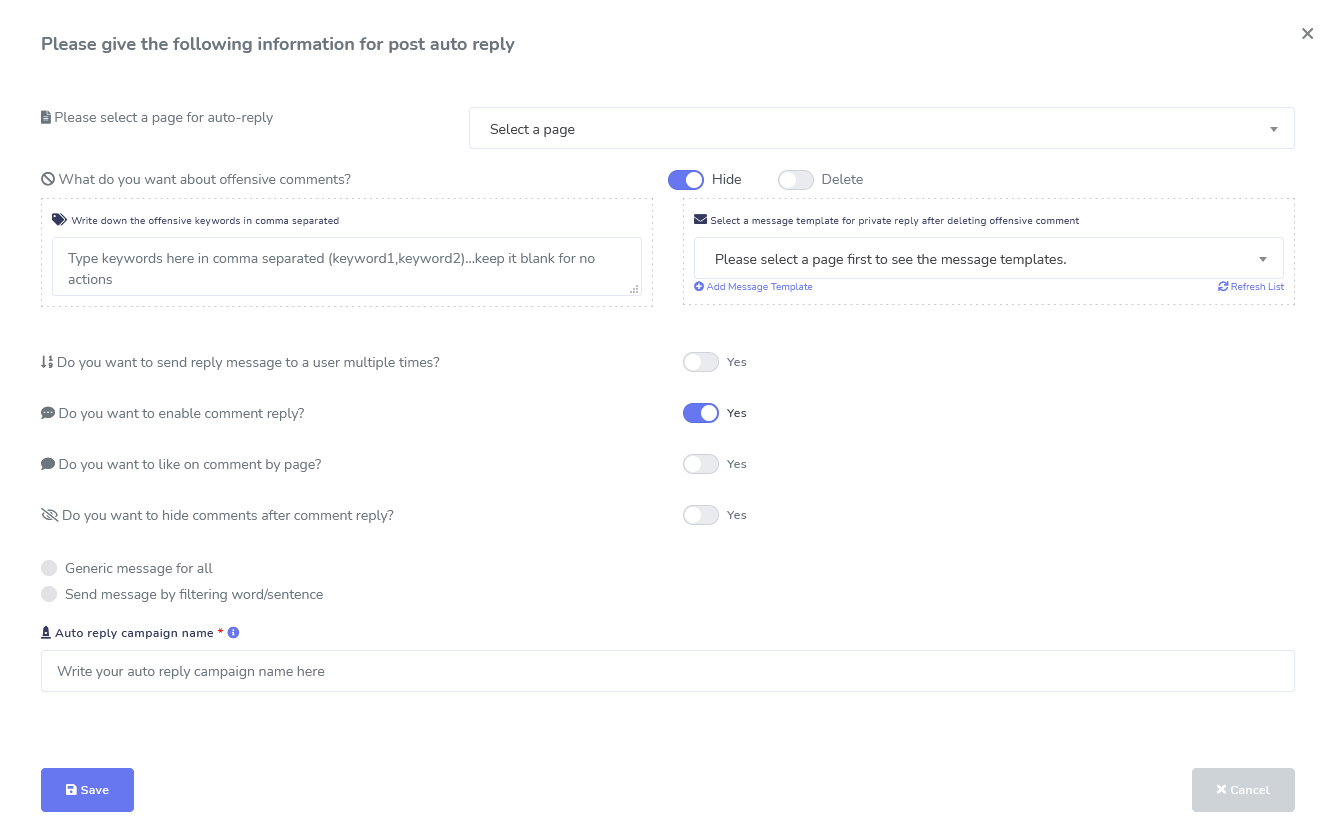
對話式商務通過將購物重新變回良好商店中的樣子來解決這個問題:一種引導式的交流。購物者提出問題。品牌即時回答。下一步是顯而易見的。有時銷售在聊天中完成。有時對話將買家推回產品頁面或結帳鏈接。無論哪種方式,聊天不再是支持的附屬品。它是店面的組成部分。.
截至2026年4月10日,來自Juniper Research、Adobe、Baymard Institute、Meta for Business、Gorgias和當前產品定價頁面的公共數據都指向同一方向。買家在通過對話購物時變得更加舒適,而將Messenger、WhatsApp、Instagram DM、SMS和AI購物助手視為收入渠道的品牌正在領先於仍將聊天視為一種美化的聯絡表單的團隊。.
在我們進入數字之前,有一個重要的澄清: $2900億 這個標題中的數字來自Juniper Research廣泛引用的預測,即通過對話式商務渠道的總支出將在2025年達到該水平,從2021年的$41億上升。這是 渠道支出, 而不是軟體收入。如果你只衡量軟體和平台層,數字會更小。如果你衡量通過聊天、消息和語音影響或完成的購買價值,則數字會大得多。大多數博客文章會模糊這兩者之間的區別。它們並不相同。.
2026年對零售業的對話式商務實際意義
對話式商務是利用雙向對話來幫助客戶發現產品、比較選項、詢問購買前問題、恢復放棄的購物車、獲取購後幫助以及無摩擦地重新訂購。這個渠道可以是Facebook Messenger、WhatsApp、Instagram Direct、SMS、網站聊天小工具,甚至是語音助手。共同的特點是買家不會被留在靜態商店路徑中獨自導航。.
這聽起來很明顯,但這很重要,因為許多團隊仍然錯誤地將任何聊天機器人標記為對話式商務。僅僅說「我們的支持團隊將很快回覆」的機器人並不是商務。一個Messenger或WhatsApp流程,如果能推薦正確的產品、回答交付異議、收集意圖並將客戶推向結帳,那就是商務。.
思考市場的最清晰方式是將其分為兩個層次:
- 通過對話渠道流動的商務: Juniper Research預測,通過對話式商務渠道的全球支出將達到 $2900億美元到2025年, 高於 $410億美元到2021年, 一個590%的跳躍跨越四年。.
- 來自對話式AI平台的軟體收入: Juniper最新的對話式AI研究將平台收入預估為 $146億美元在2025年, 在接下來的十年中強勁增長。.
這兩個數字都很重要。第一個告訴你購買行為變得多麼龐大。第二個告訴你為什麼軟體供應商如此積極地進入AI代理、購物助手、DM自動化和客戶服務協調。.
這也解釋了為什麼對話式商務在2026年比十八個月前更為重要。Meta表示 每週有10億人通過其平台向企業發送消息 ,並且 6億次對話 happen between people and businesses every day on Meta technologies. That is not a niche behavior. That is mainstream digital commerce infrastructure hiding inside messaging apps people already use.
The practical takeaway is simple. Your store no longer competes only on price, shipping, and product quality. It competes on how quickly a customer can move from uncertainty to confidence. If the answer to “Will this fit?”, “Can I get it by Friday?”, “Which one is better for my skin type?”, or “Can I reorder the same one?” is buried in a help center, you are making the customer work harder than they need to.
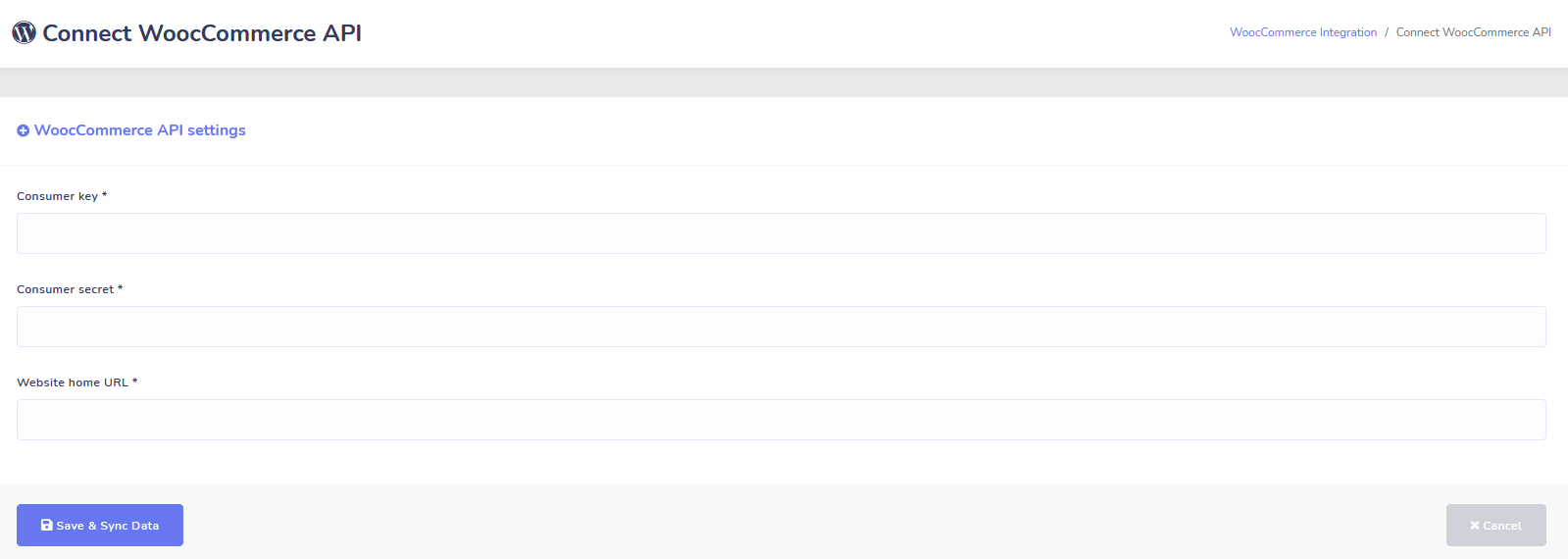
If you want the store integration side of that setup before you go deeper into channel strategy, read our ecommerce chatbot guide. The key pattern is the same across Shopify, WooCommerce, and BigCommerce: connect the catalog, sync order data, automate the repetitive questions, and only bring in a human when the conversation becomes high-value or high-risk.
The 2025-2026 Numbers That Show Chat-Based Shopping Is No Longer Experimental
Here is the part most surface-level guides skip. Conversational commerce is not just growing because vendors keep saying it is. The numbers from 2025 and early 2026 show that buyers are already changing how they shop.

| Data point | Latest figure | 它告訴您什麼 |
|---|---|---|
| Juniper conversational commerce channel spend forecast | 到2025年將達到$2900億,較2021年的$41億上升 | 基於聊天的購物迅速從新興行為轉變為全球零售基礎設施 |
| Meta商業消息傳遞規模 | 每週有10億人向企業發送消息;每天有6億次對話發生 | 受眾已經在消息應用中,而不是在等待培訓 |
| Meta商業消息傳遞表現 | 與傳統解決方案相比,平均多出62%的潛在客戶 | 消息傳遞在潛在客戶捕獲方面越來越超越較慢的渠道 |
| Adobe AI購物採用,2025年3月17日 | 39%的美國消費者曾使用生成式AI進行線上購物 | 對話式購物行為在研究階段已經成為主流 |
| Adobe AI 流量變化 | 從生成式 AI 來源到美國零售網站的流量在 2024 年 7 月到 2025 年 2 月期間上升了 1,200% | 基於聊天的發現正在加速,而不是停滯不前 |
| Adobe 參與度差距 | AI 驅動的訪客顯示出 8% 更高的參與度,每次訪問多出 12% 的頁面,以及 23% 更低的跳出率 | 對話式購物者更有信息,停留時間更長 |
| Adobe 轉換差距 | 在 2025 年 2 月,AI 驅動的流量仍然比其他來源轉換的可能性低 9%,但這一差距已從 2024 年 7 月的 43% 改善 | 基於聊天的發現正在迅速追趕傳統獲客渠道 |
| Adobe 2025 holiday e-commerce report | U.S. online holiday spend hit $257.8 billion; AI-driven traffic to retail sites rose 693.4% YoY | Conversational shopping behavior kept climbing through the biggest retail season of the year |
| Baymard checkout benchmark | Average documented cart abandonment rate sits around 70.19% to 70.22% | Retail still leaks revenue badly at the exact moments chat can help most |
| Gorgias 2026 state of the market | 84% of brands now treat conversational commerce as a strategic pillar | The market moved from pilot mode to budget line item |
Adobe’s March 2025 report is especially useful because it cuts through the hype. It shows a real behavior shift, but it also shows the limits. AI and chat-driven visitors were more engaged, viewed more pages, and bounced less, but they still converted slightly worse than traditional traffic in early 2025. That is honest data, and it matches what operators were seeing in the field. Shoppers were already using conversational interfaces heavily for research and recommendation, even if many of them still finished the sale on a normal product page or checkout.
By January 7, 2026, Adobe’s holiday report showed that behavior had moved even further. U.S. online holiday spend reached $257.8 billion, generative AI traffic to retail sites was up 693.4% year over year, and social media’s share of revenue rose to 4.6%, up 40.3% year over year. That combination matters. It means shoppers are increasingly discovering products socially, researching conversationally, and then buying across a connected set of surfaces instead of one neat linear funnel.
The Gorgias 2026 report adds the operational side. Based on a survey of 400 ecommerce decision-makers in North America, the U.K., and Europe, 84% of brands said conversational commerce had become a strategic pillar. Gorgias also reports that AI now handles an average of 31% of customer interactions for ecommerce brands and is expected to reach 47% within two years. Even more telling: its customer base generated 350 million+ shopper conversations in 2025, and nearly 1000 萬 of those turned into a purchase.
That is why conversational commerce is worth taking seriously in 2026. Not because every store should replace its site with a chatbot. Not because every buyer wants to shop through DMs. It matters because too much of modern retail still depends on static pages answering dynamic questions. Chat closes that gap.
How Messenger, WhatsApp, Instagram, SMS, and Voice Turn Chats Into Orders
The easiest way to understand conversational commerce is to stop thinking about it as “the bot” and start thinking about it as a sequence:
- A shopper clicks an ad, scans a QR code, replies to a story, opens a website chat bubble, or sends a message directly.
- The brand captures intent with a useful question: size, budget, product type, use case, delivery need, or reorder request.
- The system recommends the next best option or routes the conversation to the right flow.
- The buyer gets a checkout link, product card, payment step, booking slot, coupon, or live-agent handoff.
- The same channel then handles follow-up: abandoned cart reminders, shipping updates, replenishment prompts, and loyalty offers.
If the only thing your chat experience does is answer “Where is my order?”, you have a support widget. If it helps someone choose, buy, and come back, you have conversational commerce.
Messenger Works Best When the Sale Starts With an Ad, Comment, or Existing Page Audience
Messenger is still one of the cleanest channels for brands that already run Facebook ads, manage a Page audience, or sell products that benefit from quick back-and-forth guidance. Meta’s own purchase-optimization materials say ads that click to Messenger delivered 11% more purchases on average and a lower cost per purchase versus conversation-optimized campaigns. That is a practical signal, not just a branding one. Messenger works when you want to shorten the distance between ad click and buying intent.
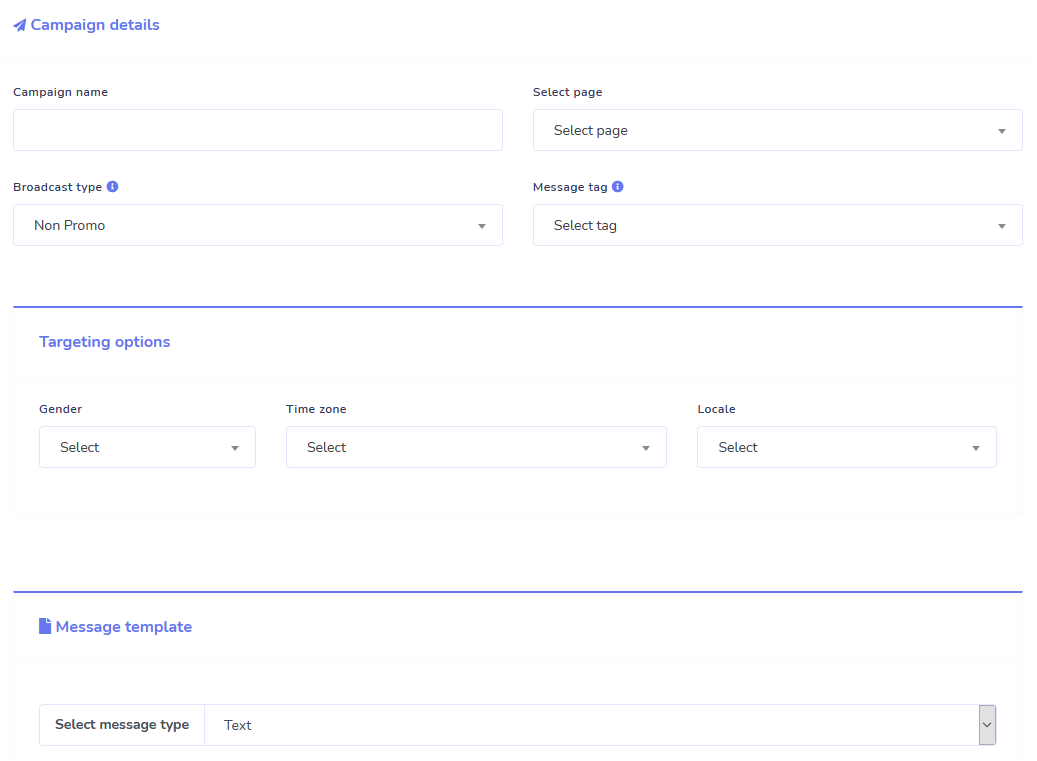
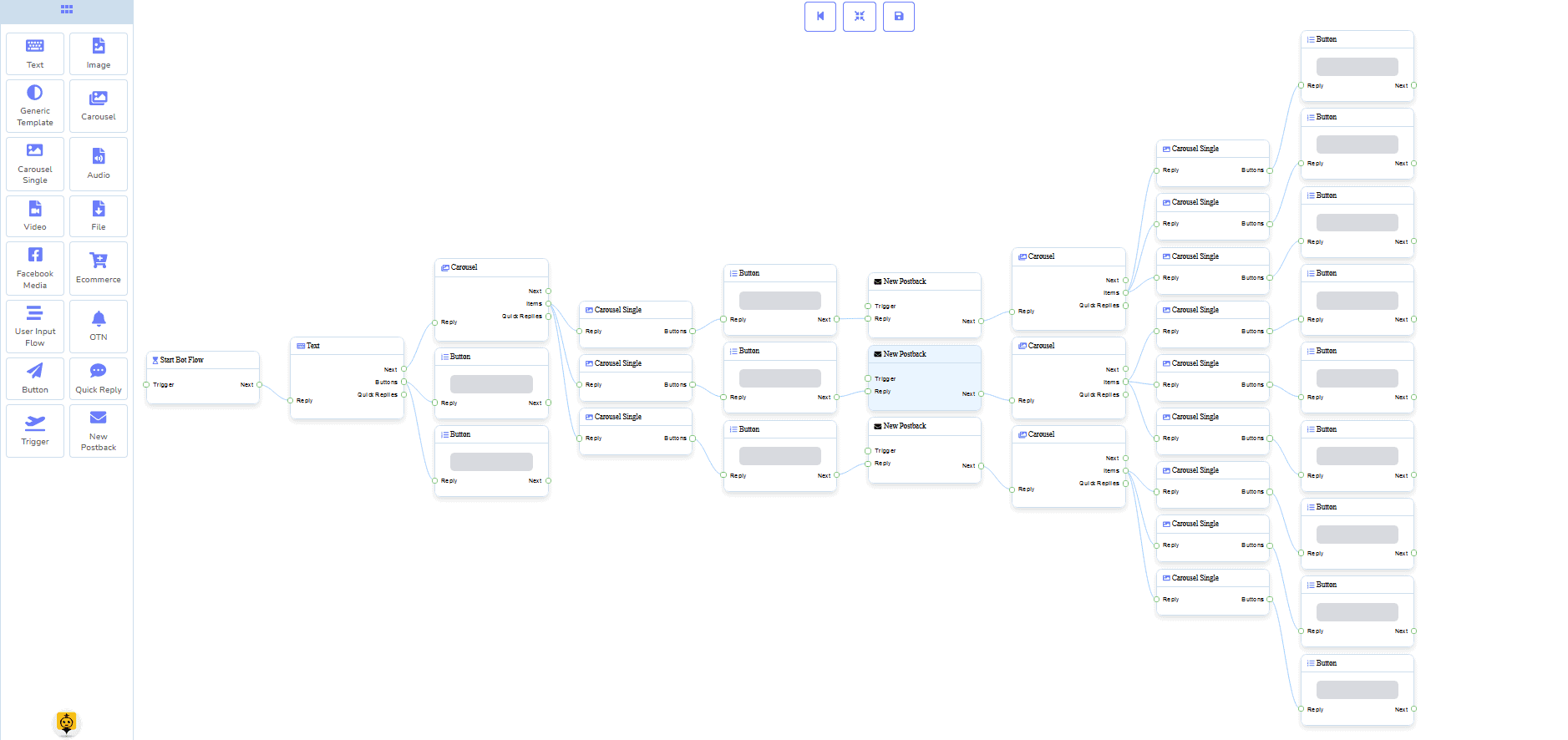
A typical Messenger commerce flow looks like this: ad click to message, quick product qualifier, recommendation, checkout link, then follow-up if the customer drops. For stores with meaningful Facebook traffic, that can outperform sending cold traffic straight to a generic collection page.
WhatsApp Is the Strongest Channel for High-Trust, High-Response Commerce
WhatsApp matters because people already use it as a personal communication tool, and that gives it unusual trust and attention when the business use case is handled well. The official WhatsApp Business site still emphasizes that brands can meet customers on a platform with over 2 billion users. In practice, that makes WhatsApp especially strong for appointment-led commerce, service-heavy products, replenishment, order updates, and post-purchase care.
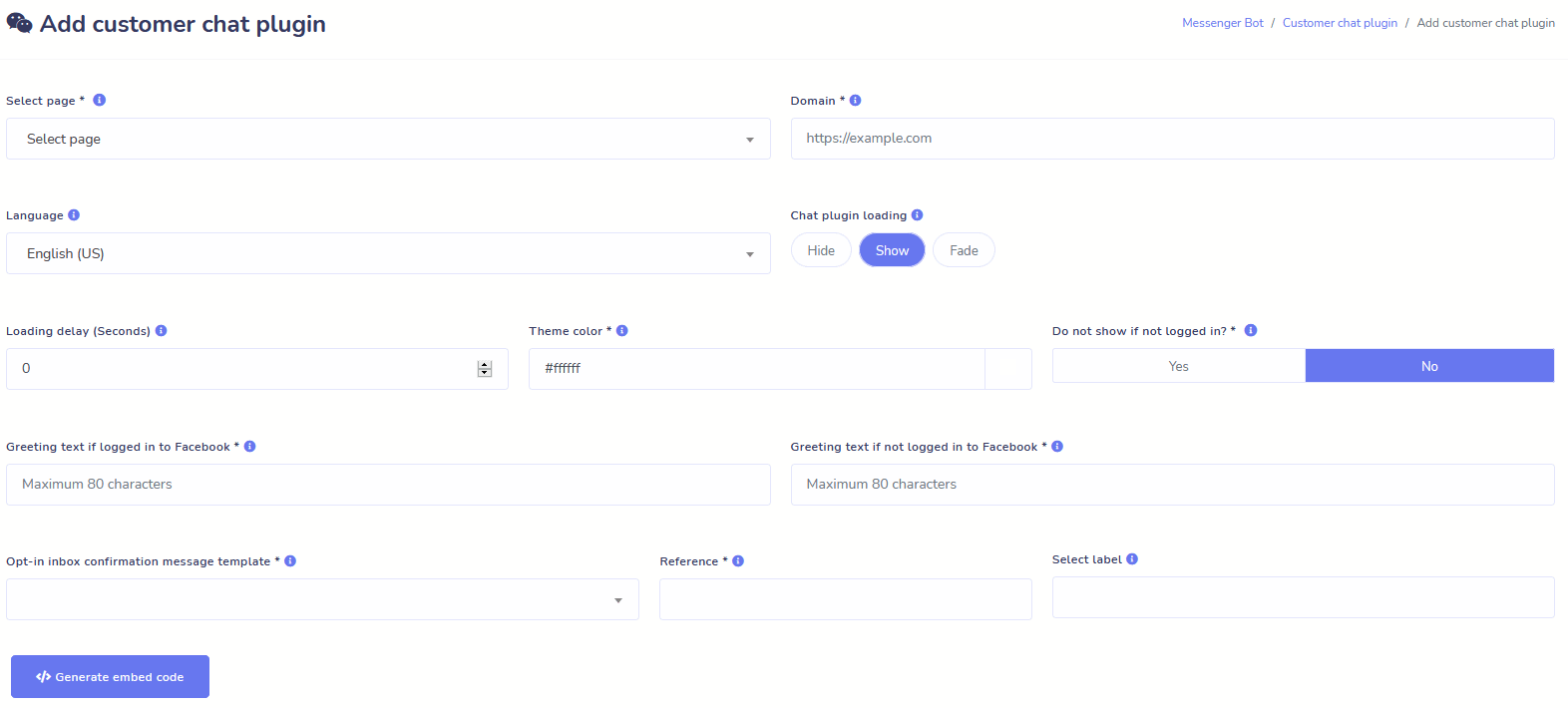
For very small businesses, the standard WhatsApp Business app is still the easiest free starting point. For scalable automation, routing, templates, and CRM-connected flows, the WhatsApp Business Platform is the serious option. If you want the setup path without a dev-heavy detour, start with our WhatsApp 聊天機器人指南.
Instagram Direct Turns Social Discovery Into a Buying Conversation
Instagram is where conversational commerce feels most natural for discovery-led brands. Someone comments on a Reel, taps a story, reacts to a product post, or clicks an ad, and the next step is a DM instead of a generic landing page. That matters for beauty, apparel, wellness, home decor, coaching, local services, and creator-led offers where the buyer wants reassurance before purchase.
Instagram usually wins on the top and middle of the funnel: product education, shade or size guidance, coupon delivery, lead capture, and qualification. The strongest setups do not try to force the whole transaction inside DM if the catalog or checkout experience is easier on-site. They use DM to remove hesitation, then move the buyer to the cleanest place to finish the order.
SMS Is Best for Fast Follow-Up, Not Deep Product Discovery
SMS still matters because attention is high and response is fast, but it is rarely the best channel for a full discovery experience. The screen space is tighter, the interface is more brittle for rich browsing, and compliance is stricter. SMS shines for narrow, high-intent jobs: abandoned cart reminders, back-in-stock alerts, payment links, appointment confirmations, and reorder prompts.
Used well, SMS supports conversational commerce. Used badly, it becomes annoying very quickly. If you are selling through chat in the U.S. or U.K., consent and frequency discipline matter more than clever copy.
Voice Is Real, But It Wins on Reorder and Convenience More Than Discovery
Voice sits inside the conversational commerce category because the same principle applies: ask, answer, transact. Juniper’s broader channel definition includes digital voice assistants for exactly that reason. But voice is not where most brands should start unless the use case is obvious. Reordering groceries, checking delivery status, confirming opening hours, and handling simple repeat purchases all fit voice better than high-consideration browsing.
That is why the smartest channel mix in 2026 is usually not “pick one and bet everything on it.” It is Messenger or Instagram for discovery, WhatsApp or SMS for follow-up, website checkout for completion when needed, and voice for convenience tasks where typing feels unnecessary.
One more reality check: there is no serious 無需註冊 version of production conversational commerce. The free options that matter are free tiers, free trials, or native small-business apps. Once you want customer data, order sync, segmentation, and channel permissions, an account and a proper setup become unavoidable.
Which Platforms Power Conversational Commerce Best Right Now
Tool choice matters less than channel fit, but bad platform choices are still expensive. Pricing and product details below were checked against public pages on April 10, 2026. I am not comparing abstract “AI chatbot” products here. I am comparing tools that help brands actually sell through conversation.

| 平台 | Entry pricing checked April 10, 2026 | 最佳適合 | Strongest commerce use | 主要權衡 |
|---|---|---|---|---|
| MessengerBot.app | 高級 $19.99 每 30 天 | Messenger-first brands, SMBs, WooCommerce-heavy stores | Messenger flows, website chat, abandoned cart recovery, social commerce automation | Best when Meta channels already matter; less helpful if your business is entirely website-helpdesk driven |
| ManyChat | Free plan; Essential from $17 per month for new accounts under March 2, 2026 pricing | Instagram, Messenger, TikTok, and creator-led commerce | Comment-to-DM flows, lead capture, DM nurture, creator and social selling | Pricing scales with active contacts and current plan availability varies by region and account age |
| Chatfuel | Business from $23.99 per month plus extra conversations | WhatsApp, Instagram, and Facebook automation with sales or FAQ focus | Direct-message selling, WhatsApp support, qualification, and simple social CRM workflows | Usage-based billing can climb if conversation volume spikes |
| WhatsApp Business app / Platform | Free app for very small businesses; Platform pricing is usage-based | Service-led commerce, high-response support, repeat purchases, U.K./international messaging | Catalog sharing, order updates, high-trust customer communication | More setup and template discipline than casual DM tools |
| Instagram shopping plus DM automation | Native Instagram surface plus the cost of your automation layer | Visual brands where discovery starts on posts, Stories, or Reels | Product education, coupon delivery, qualification, and social-to-checkout handoff | Works best when content and response speed are already strong |
MessengerBot.app Fits Stores That Want Messenger To Do More Than Answer Questions
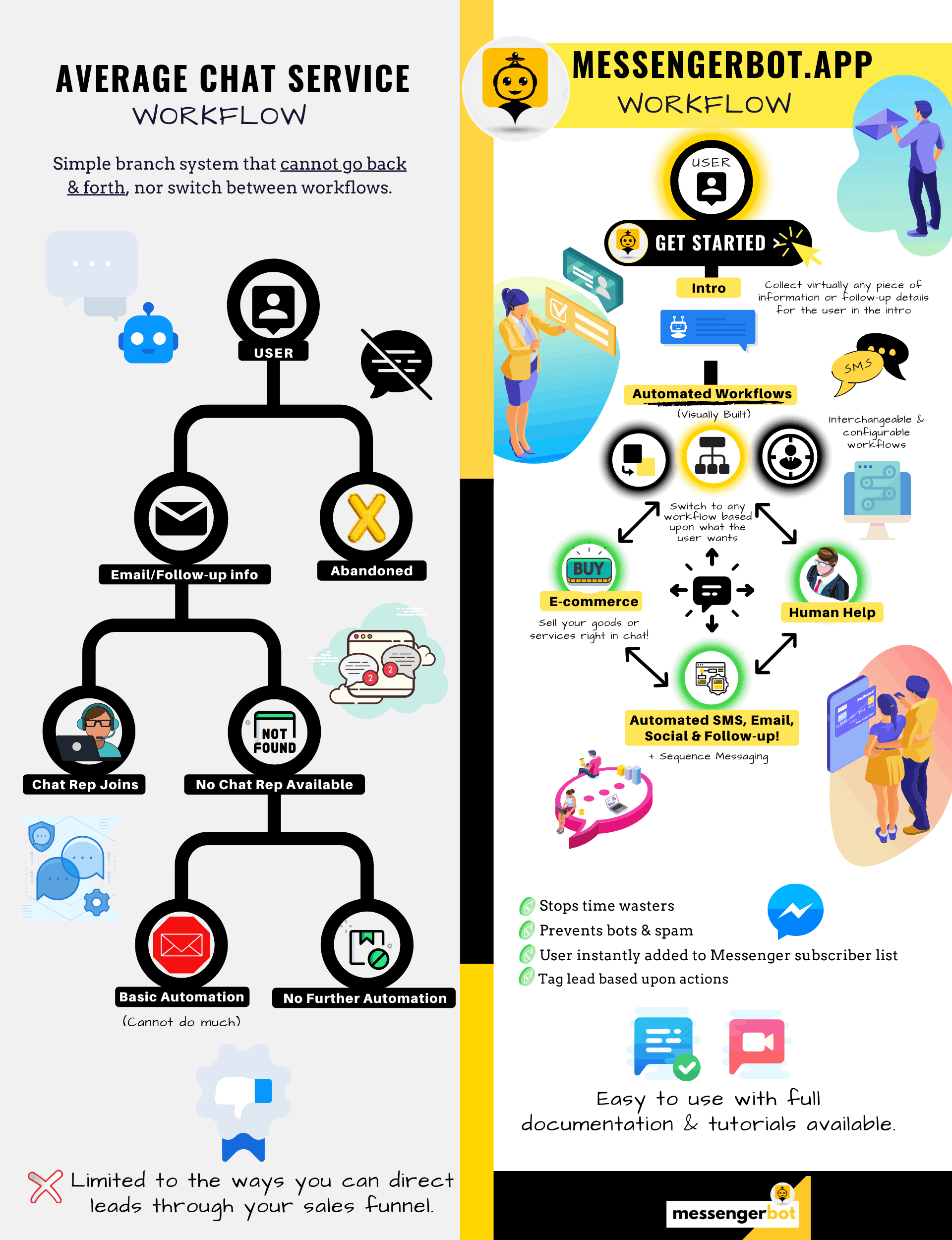
MessengerBot makes sense when Facebook and Messenger are real sales surfaces, not leftovers from an old Page strategy. The pricing page is unusually direct about what matters for commerce operators: visual flows, website chat, abandoned cart recovery, JSON API and Zapier connections, broadcast tools, ecommerce store support, and no revenue share. That is a useful mix for smaller teams because it bundles the practical revenue tasks instead of making you buy a full enterprise support stack before you have enterprise complexity.
The other advantage is budget clarity. The Premium plan starts at $19.99 每 30 天, which is aggressive enough for stores that want to test Messenger-selling seriously without jumping into a custom stack on day one. If your plan is to make Messenger part of your actual funnel rather than a passive inbox, this is where I would start.
ManyChat Still Owns a Lot of Social DM Selling
ManyChat is still the obvious choice when your growth motion is built around Instagram comments, story replies, creator audiences, Messenger conversations, and quick nurture sequences. Its March 2, 2026 help documentation introduced a new pricing model for newer accounts, including a free plan and an Essential tier from $17 per month. That matters because a lot of older comparison posts are now outdated.
The catch is that ManyChat pricing gets more complex as active contacts grow, and the current plan model is not universally available across all older accounts yet. That does not make it a bad product. It just means you should not budget off a stale screenshot from 2024 and assume your bill will stay there once your audience starts responding.
Chatfuel Is a Practical Choice When WhatsApp and Instagram Matter More Than Fancy Positioning
Chatfuel’s public pricing still starts at 每月NT$23.99 on the Business plan, with extra conversations billed separately. That is a clean signal about how the company wants to be used: lead generation, sales, post-purchase support, and FAQ automation across direct messaging channels.
I like Chatfuel most for teams that want a fairly direct route into WhatsApp and Instagram automation without buying a giant support suite. The tradeoff is exactly what the pricing implies. If your volume grows, the usage layer matters. That is not a reason to avoid it. It is a reason to measure revenue per conversation instead of congratulating yourself for launching a bot.
WhatsApp Business Platform Is the Serious Commerce Channel Once Response Quality Starts Driving Revenue
The standard WhatsApp Business app is a fine place for a micro-business to start. The moment you need template messages, scalable automation, routing, handoff logic, and CRM or order-system connections, you are really talking about the WhatsApp Business Platform. That is where conversational commerce stops being “we reply fast” and becomes “we can sell, support, and re-engage at scale.”
For U.S. brands, WhatsApp is sometimes secondary to SMS or Instagram. For U.K. brands and many international businesses, it can be central. That is why it belongs in any serious 2026 comparison.
Instagram Shopping Works Best When Your Visual Content Already Creates Demand
Instagram’s strength is not that it replaces your store. Its strength is that it catches the buyer at the moment of interest. A Reel, Story, or post creates curiosity; a DM automation captures it before the intent cools off. That is why the best Instagram commerce stacks combine native product discovery with a DM layer that can answer questions, qualify demand, and hand the buyer to checkout quickly.
If Instagram is already one of your main acquisition channels, do not treat DMs like an afterthought. Build them like a sales flow.
The Conversational Commerce Use Cases That Move Revenue Fastest
Most brands do not need ten flows to get value. They need two or three that solve obvious friction. These are the use cases I would prioritize first.
Product Discovery and Guided Selling
This is where conversational commerce feels different from a normal ecommerce experience. Instead of dropping a shopper into a massive catalog, you ask a few smart questions and narrow the choice set fast. Budget, style, use case, skin concern, size, gift recipient, urgency, and compatibility are all perfect chat questions because they mimic how a good salesperson would qualify in person.
Adobe’s March 2025 research supports that behavior shift. AI-assisted shoppers were browsing more pages and bouncing less, which is exactly what you would expect when a conversation helps them get oriented instead of guessing where to click next.
Customer Support That Protects Revenue Instead of Just Cutting Tickets
Baymard’s 2025 checkout research still shows the same ugly truth: most stores lose a huge amount of revenue in checkout. The average abandonment rate sits around 70.19% to 70.22%. The top reasons Baymard surfaced in 2025 included 39% saying extra costs were too high, 21% saying delivery was too slow, 19% saying they did not trust the site with credit card information, another 19% saying the site wanted them to create an account, and 18% saying checkout was too long or complicated.
That is conversational commerce territory. A smart chat flow can explain shipping before a buyer drops, answer trust questions, provide a guest-checkout path, escalate a discount only when margin allows it, or route someone to a human before the sale dies. Support is not just a cost center here. It is conversion defense.
Loyalty Programs and VIP Messaging
Chat is strong for loyalty because it feels more direct than email and less disposable than a social post. You can send back-in-stock alerts, early-access drops, points reminders, replenishment prompts, or bundle suggestions in a conversation thread the customer already recognizes. That is especially effective for beauty, supplements, pet supplies, consumables, and any category with a clear reorder cycle.
The mistake is to blast everyone with the same coupon. The better pattern is behavior-based messaging: recent buyer, high-value browser, repeat customer, lapsed customer, or near-reorder customer.
Reorder Automation
This is one of the easiest wins and one of the most neglected. If someone bought coffee pods, vitamins, filters, skincare, razor cartridges, pet food, or refills thirty days ago, you do not need an elaborate AI play. You need the right reminder in the right channel with a one-tap reorder path.
Voice can help here. SMS can help here. WhatsApp can help here. Messenger can help here. The use case is simple because the customer does not need a product education sequence every time. They need convenience.
Instagram and Comment-to-DM Flows for Social Commerce
For creator-led and content-heavy brands, social commerce often starts with a comment or story reply, not a search query. That is why comment-to-DM flows have become such a useful bridge between awareness and purchase. Someone comments to get a guide, a shade match, a discount, or a product list. The automation opens a DM, collects intent, and moves them toward a more specific offer.
If that is a major part of your funnel, read Instagram chatbot automation after this. It is one of the cleanest ways to turn attention into a measurable conversation instead of leaving it as vanity engagement.
How to Launch Chat-Based Selling in the Next 30 Days
The biggest mistake I see with conversational commerce is overbuilding. Teams try to launch with twenty-five flows, three channels, AI everywhere, and a stack of integrations they have not tested. Then they wonder why nobody trusts the data.
The 30-day version is much simpler.
- Days 1 to 7: pick one revenue problem and one main channel. Do not start with “we need a chatbot.” Start with a job: recover abandoned carts, qualify product-fit questions, deflect order-status tickets, or automate reorders. Then choose the channel your customers already use most.
- Days 8 to 14: connect the real systems. Sync your catalog, order status, shipping data, FAQs, coupon logic, and human handoff path. A pretty flow without real data is just theater.
- Days 15 to 21: build only three core flows. One for product discovery or lead capture, one for cart recovery or follow-up, and one for post-purchase support. That is enough to prove value.
- Days 22 to 30: send traffic and measure hard outcomes. Run click-to-message ads, add website entry points, use comment-to-DM triggers, or push opt-in traffic through WhatsApp or SMS. Measure purchases, assisted revenue, lead quality, ticket deflection, and response time. Do not hide behind open rates.
Here is the launch checklist I would use for a U.S. or U.K. small business:
- Choose one primary channel: Messenger, WhatsApp, Instagram, or SMS.
- Pick one primary KPI: purchases, qualified leads, recovered carts, or support deflection.
- Write five real customer questions from inbox history and build flows around those first.
- Add a human handoff rule for refund issues, angry customers, and high-value buyers.
- Make every sales flow end with one obvious next step: buy now, book now, claim offer, or talk to support.
- Review transcripts weekly and turn repeated objections into new automated branches.
- Suppress buyers from promo reminders the moment they convert.
- Track revenue per conversation, not just conversation volume.
If you are starting from scratch, Messenger is still one of the most practical places to begin because the setup path is shorter than a full custom WhatsApp rollout, and the sales motion is cleaner than trying to force every buyer into email. For a Messenger-first rollout, the quickest next step is to compare tiers and build from one channel outward: 查看 MessengerBot 價格.
Conversational Commerce vs Traditional Ecommerce: Where the Numbers Point
This is not a winner-take-all fight. Traditional ecommerce and conversational commerce are not replacements for each other. The site still matters. The checkout still matters. Product pages still matter. What changes is where the decision-making happens.
| Commerce job | Traditional ecommerce strength | Conversational commerce strength | What the numbers suggest |
|---|---|---|---|
| Product discovery | Strong when the shopper already knows what they want | Better when the shopper needs guidance, comparison, or reassurance | Adobe found AI-driven shoppers had 8% higher engagement, 12% more page views, and 23% lower bounce rate |
| Checkout completion | Still the cleanest environment for final payment and account logic | Best at resolving the objections that stop checkout from happening | Baymard still puts cart abandonment around 70%, which is exactly why conversational rescue matters |
| 潛在客戶捕獲 | Forms work, but they feel slow and cold | Messaging feels faster and more personal | Meta says business messaging drives 62% more leads on average than legacy solutions |
| Customer support coverage | Help centers and inboxes scale slowly without automation | AI and flows can handle repetitive questions instantly | Gorgias reports AI currently handles 31% of ecommerce interactions and is expected to hit 47% within two years |
| 觸及 | Depends on driving the customer back to the site | Lets the brand meet buyers inside apps they already open daily | Meta reports 1 billion people message a business weekly across its platforms |
| Repeat purchase | Email and accounts can manage it, but often with more friction | Chat is better for reminders, support, and low-friction reorders | Best suited to consumables, subscriptions, refills, and service-heavy businesses |
The smarter framing is this: traditional ecommerce is still your transaction engine, but conversational commerce is becoming your decision engine. It shortens the time between interest and confidence. It captures intent while it is still warm. It gives the buyer a way to ask instead of guess.
That is why conversational commerce is not replacing traditional ecommerce in 2026. It is making traditional ecommerce less brittle. The site remains the system of record. Chat becomes the layer that helps people get to the right product, the right answer, the right offer, and the right next step faster.
If your brand already has social traffic, repeat purchase behavior, or a support queue filled with the same five objections every day, conversational commerce is probably not optional anymore. It is just the missing layer between attention and revenue.
常見問題
什麼是簡單的對話式商務?
對話式商務是通過即時對話進行銷售,而不是強迫購物者在網站上獨自解決所有問題。這可以在 Messenger、WhatsApp、Instagram 私信、SMS、網站聊天或語音中進行,目標是幫助人們更快地發現、決定、購買和獲得支持。.
全球的對話式商務產生了多少收入?
The most cited benchmark is Juniper Research’s forecast that spend over conversational commerce channels would reach about $290 billion globally in 2025, up from $41 billion in 2021. That figure measures spending flowing through conversational channels, not just software revenue from chatbot platforms.
小型企業能在聊天商務中與大品牌競爭嗎?
Yes, because small businesses usually win on speed and specificity. A focused Messenger, WhatsApp, or Instagram flow that answers real buyer questions can outperform a bigger brand’s slow support queue or generic product pages, especially when you start with one strong use case like cart recovery, appointment booking, or product-fit guidance.
哪個平台最適合對話式商務?
最佳平台取決於您的買家已經在哪裡與您交流。MessengerBot 非常適合以 Messenger 為主的銷售,ManyChat 在 Instagram 和創作者主導的 DM 漏斗中表現出色,Chatfuel 在 WhatsApp 和社交自動化方面穩健,而當信任、服務質量和重複溝通比隨意的 DM 數量更重要時,WhatsApp Business Platform 是正確的選擇。.
對話式商務是否正在取代傳統電子商務?
不。這是在改善它。傳統電子商務仍然很好地處理目錄、結帳和帳戶層,而對話式商務則處理混亂的人類部分:問題、猶豫、支持、資格和跟進。2026年獲勝的設置將同時使用兩者。.