iPhone 的 ChatGPT 應用程式:2026 完整設置、功能和免費替代方案

搜索 chatgpt 應用程式適用於 iPhone 在 App Store 中,你仍然會遇到 iPhone 使用者兩年來的相同問題:如果你動作太快,真正的應用程式很容易被忽略。官方列表只是 ChatGPT, 由 OpenAI OpCo, LLC. 截至 2026 年 4 月 11 日,美國 App Store 顯示它是一款免費的生產力應用程式,擁有 6.5 百萬條評價的 4.8 星平均分,下載大小為 169.6 MB,最低 iOS 版本為 17.0,並且包含 ChatGPT Plus 的應用內購買,價格為 $19.99,ChatGPT Go 價格為 $8,Pro 等級最高可達 $200 (App Store 列表).

這個標題數字很重要,因為它讓你在點擊任何東西之前快速檢查真實性。如果賣家不是 OpenAI,評分數量看起來很少,或者應用程式標題使用了像是“助手”、“作家”或“GPT-5.4 驅動”等詞彙,那麼你看到的就不是正宗的 ChatGPT iPhone 應用程式。.

這篇文章是針對實用問題:如何安全地在 iPhone 上下載 ChatGPT,免費版和 Plus 版有什麼變化,語音模式現在如何運作,哪些隱私設置值得調整,以及何時安裝其他應用程式更為明智。如果你實際上是在尋找與官方 OpenAI 應用程式相似的應用程式,請從我們的總結開始 像ChatGPT的應用程式.

如果你只需要簡短版本 最佳答案 為什麼
哪個 iPhone 應用程式是真正的? OpenAI OpCo, LLC 的 ChatGPT 官方 App Store 列表與 OpenAI 的產品名稱、定價和隱私標籤相符
我可以免費在 iPhone 上使用 ChatGPT 嗎? 免費用戶仍然可以訪問 GPT-5.2、網頁搜索、文件/圖片上傳、GPT 和有限的圖片創建
這個應用程式比 Safari 更好嗎? 通常是的 語音、相機/照片輸入、部件和更緊密的 iPhone 整合在原生應用程式中更容易
最佳免費備份應用程式? Claude 適合大多數人 It feels the closest to ChatGPT on iPhone without immediately feeling crippled

What the ChatGPT App for iPhone Actually Is (Official vs Clone Apps)

官方 chatgpt iphone app is the App Store listing called ChatGPT from OpenAI. Right now that listing tells you almost everything you need to know before installing: 13+ age rating, 59+ supported languages, iOS 17.0 or later, and frequent 2026 updates, including version 1.2026.079 on April 2, 2026 (App Store).

What the official app is 無法 is any generic “AI chatbot” with a near-identical icon and a weekly subscription wall. Apple still allows a lot of adjacent AI apps in the same search lane, and some are fine products, but they are not the OpenAI app even if they mention GPT, “Chat AI,” or “powered by the latest model.”

Check Official ChatGPT app Common clone pattern
Seller name OpenAI OpCo, LLC Unknown studio, marketing brand, or unrelated developer name
Pricing language Free with known OpenAI plan names Heavy emphasis on trial countdowns or weekly billing
Feature wording Matches OpenAI features such as Voice, images, uploads, and sync Vague claims like “all models in one” or “unlimited intelligence”
Trust check Backed by OpenAI help docs and App Store privacy labels Thin support pages, thin privacy details, or no clear ownership

The easiest safe-download rule is blunt: if the App Store seller line does not say OpenAI, back out and search again. That one habit saves more time than any later refund request.

It is also worth separating “official app” from “best app.” The official OpenAI app is the default recommendation because it stays closest to new OpenAI features first. That does not automatically make it the best fit for every iPhone workflow. If your bigger question is how different AI models like ChatGPT behave, that is a different comparison from simply spotting the real download.

Download, Install, and First-Launch Setup in Under 5 Minutes

If your immediate job is to download chatgpt iphone safely and get past the first-login friction, this is the fastest clean sequence.

ChatGPT iPhone setup
  1. Open the App Store and search for ChatGPT. Check the seller before you tap Get. It should say OpenAI OpCo, LLC.
  2. Confirm device compatibility. The current iPhone app requires iOS 17.0 or later and takes roughly 170 MB of storage before cached chats and downloads expand it (App Store).
  3. Install, then open the app. The first launch usually asks whether you want to sign in, create an account, or continue within the app’s current entry flow.
  4. Use the same sign-in method you used originally. OpenAI’s iOS help is explicit here: if your existing account was created with Apple, Google, Microsoft, or email/password, keep using that exact method to avoid needless login failures (OpenAI iOS subscription help; OpenAI iOS app failures).
  5. Decide whether you actually need a paid plan yet. Free works well enough for most first-time installs, and you can upgrade later from the web or inside the app.

The first mistake people make is upgrading before they know whether the app even fits their habits. The second is choosing the wrong sign-in method, then assuming the service is broken. OpenAI’s iOS troubleshooting page still flags login-method mismatches as a common problem, and its separate Google-auth help page says blocked Safari cookies can also break iPhone sign-in (iOS potential failures; cookies-disabled fix).

For paid upgrades, OpenAI’s current iOS subscription article says you can upgrade to Plus inside the app, but upgrading from Free to Pro must happen on the web. The same article also notes that if the in-app purchase button is grayed out for a brand-new App Store install, Apple activation can take up to 48 hours (OpenAI).

First-Launch Checklist That Actually Matters

  • Turn on notifications only if you want prompt replies or shared-chat alerts. Many users do not need them.
  • Leave microphone access off until you plan to use voice. You can grant it later.
  • Use your real account if you want synced history across web and iPhone.
  • Skip paid upgrade on day one unless you already know you need heavier limits.
  • Check Data Controls before your first sensitive conversation.

The official app also syncs your conversation history across devices, which is one of the main reasons the native chatgpt app ios experience feels better than bouncing between random browser tabs (App Store).

Setting Up ChatGPT Voice Mode on iPhone (2026 Walkthrough)

Voice is now one of the main reasons to use the iPhone app instead of just Safari. OpenAI’s current Voice Mode FAQ says voice conversations are available to all logged-in users in the mobile apps, and on iPhone you start by tapping the Voice icon at the bottom-right of the prompt area (Voice Mode FAQ).

The important 2026 change is the interface. Most iPhone users now see voice integrated directly inside the main chat thread instead of the old full-screen orb by default, though OpenAI says some accounts still temporarily see the separate mode while updates roll out. You can switch between the integrated layout and Separate Mode in Settings > Voice > Separate Mode (Voice Mode FAQ; OpenAI release notes).

  1. Open ChatGPT and tap the Voice icon.
  2. Allow Microphone access when iOS asks. Without that permission, voice mode simply will not start.
  3. Pick a voice the first time. OpenAI currently lists nine voices: Arbor, Breeze, Cove, Ember, Juniper, Maple, Sol, Spruce, and Vale (Voice Mode FAQ).
  4. Use the mute button when needed. It sits at the lower-left during voice conversations.
  5. Turn on Background Conversations if you want hands-free use while multitasking. OpenAI says the session continues until you end it, force-close the app, hit your plan limit, or cross one hour in a single conversation.

As of April 11, 2026, the limits are straightforward. Logged-in Free users get voice powered by GPT-4o mini with a daily cap of up to two hours. Subscribers get near-unlimited daily voice use, beginning with GPT-4o voice and falling back to GPT-4o mini after the daily advanced-audio allowance is consumed. Pro users get unlimited GPT-4o voice subject to abuse guardrails (Voice Mode FAQ).

If you use voice regularly on trains, in cars, or while walking, one small iPhone-specific fix is worth knowing: OpenAI explicitly recommends using headphones, and says iPhone users can reduce accidental interruptions by switching the mic mode to Voice Isolation from Control Center during the conversation (Voice Mode FAQ).

Subscribers also get more in voice than Free users. OpenAI says video sharing, screen sharing, and photo sharing inside voice chats are enabled on iOS only for subscribers, with separate daily and per-conversation limits. That matters because voice on Free is good for casual talk, but voice on paid plans is closer to a true mobile assistant when you need to show your camera, screen, or a live problem (Voice Mode FAQ).

The practical rule is simple. If your iPhone use is mostly walking, driving, cooking, or quick brainstorming, voice mode is the feature that justifies keeping the native app installed. If you only type a few prompts a week, Safari is often enough.

ChatGPT App Features on iPhone: Widgets, Siri, Memory, File Upload

The feature set that makes the iPhone app feel modern is not one giant upgrade. It is four smaller conveniences that add up: faster launch points, better voice access, remembered context, and easier file/photo input.

ChatGPT iOS alternatives

Widgets: Fast Entry, Not a Tiny Full Chat Window

OpenAI added an iOS widget in its February 21, 2025 release notes, and the feature remains part of the mobile app line today (OpenAI release notes). On iPhone, the widget is best treated as a launcher: long-press the Home Screen, tap 編輯, tap Add Widget, search for ChatGPT, and place it where you can reach it one-handed.

The useful way to think about the widget is speed. It cuts out the “unlock, find app, wait, then tap voice or camera” cycle. If you use ChatGPT for quick capture, commuting questions, or one-tap voice starts, the widget earns its space. If you only open ChatGPT for longer sessions, you can skip it.

Siri: Real Integration, but Only on the Right iPhone

ChatGPT itself runs on any supported iPhone with iOS 17 or later, but Siri integration is a separate layer. Apple says ChatGPT integration inside Apple Intelligence works on iPhone 15 Pro models and iPhone 16 models or later, requires at least iOS 18.1, and needs 7 GB of on-device storage for Apple Intelligence models (Apple Support).

Apple also says you do 無法 need a ChatGPT account to use ChatGPT through Apple Intelligence. You can enable ChatGPT without an account, or connect a free or paid ChatGPT account if you want saved history and stronger paid-plan behavior. Apple’s support page adds a useful detail: when you use the extension without an account, OpenAI does not receive information tied to your Apple Account and must process the data only to fulfill the request, not to store or train on it unless law requires otherwise (Apple Support).

That makes Siri integration great for two kinds of users: people who want occasional ChatGPT help without installing deeper account habits, and people who already use Apple Intelligence writing tools across Notes, Mail, and other apps.

Memory: Useful, but You Should Know the Split

OpenAI’s current Memory article makes a distinction a lot of older posts miss. Free users have access to Saved Memories, 而 Saved Memories 加上 Chat History reference are available only on Plus and Pro accounts. In plain English, Free can remember explicitly useful details, but the deeper “remember my past chats more broadly” behavior is more limited unless you pay (Memory FAQ).

If you want clean control, open Settings > Personalization. That is where you can turn memory off, review saved memories, or reset them. This matters more on iPhone than on desktop because phones invite casual personal use: travel plans, grocery lists, health questions, relationships, and location-based prompts. The more personal the phone, the more deliberate you should be about memory.

File Upload: Better Than Most People Realize

OpenAI’s App Store listing and free-tier FAQ both confirm that iPhone users can upload photos and files in prompts, though limits are tighter on Free. OpenAI’s current file uploads FAQ lists hard limits of 512 MB per file, about 50 MB for spreadsheets depending on row size, and 20 MB per image. It also says users can upload up to 80 files every three hours, though account-level caps and plan-specific behavior still apply (App Store; Free Tier FAQ; File Uploads FAQ).

On iPhone, file upload is less about giant spreadsheets and more about speed: drop in a PDF, snap a photo of a whiteboard, upload a screenshot, or ask ChatGPT to summarize a document while you are away from your laptop. If you are comparing the broader ecosystem around these capabilities, our guide to AI models like ChatGPT is the better next read than another App Store search.

iPhone Privacy and Permission Settings You Should Actually Adjust

The privacy mistake most people make is granting every permission on first launch because they want to get into the app quickly. On iPhone, the smarter move is to grant only what your real use case needs.

  1. Microphone: leave it off until you plan to use voice. OpenAI’s voice FAQ makes microphone permission mandatory for voice mode, but there is no reason to keep it on if you only type (Voice Mode FAQ).
  2. Photos: 使用 Selected Photos instead of full library access unless you constantly upload images. For most people, limited access is enough.
  3. 地點: think twice before enabling it. OpenAI’s March 2026 mobile release notes introduced optional location sharing so ChatGPT can give more relevant nearby answers, and they note that precise location can be turned off separately while keeping approximate location on (OpenAI release notes).
  4. Model training: if you do not want your conversations used to improve OpenAI’s models, turn off Improve the model for everyoneSettings > Data Controls. OpenAI says the setting syncs across web and mobile (Data Controls FAQ).
  5. Temporary Chat: use it for sensitive, one-off prompts. OpenAI says Temporary Chats are deleted from its systems after 30 days (Data Controls FAQ).

The App Store privacy label is also worth reading once. As of April 11, 2026, Apple’s listing says data linked to you may include health and fitness data, location, contact info, user content, search history, identifiers, usage data, and diagnostics depending on how you use the app (App Store privacy labels). That does not mean every user is feeding every category all the time. It does mean this is not an app where casual oversharing is a great habit.

If you use ChatGPT through Siri instead of the full app, Apple’s ChatGPT extension settings add another decision point. By default, Apple asks before sending information to ChatGPT, but you can turn off Confirm ChatGPT RequestsSettings > Apple Intelligence & Siri > ChatGPT. Apple’s own support page says you are still asked before any photos or files are sent, which is the right safety rail to keep in mind (Apple Support).

My advice for most iPhone users is conservative. Keep microphone off until you want voice. Keep photos on limited access. Keep location off unless local recommendations matter to you. Keep training off if you use the app for anything personal or client-related. Turn memory on only if the convenience is worth the trade.

ChatGPT Free vs Plus on iPhone: What Changes on Mobile

This is where a lot of older mobile articles drift into nonsense. The free plan on iPhone is not a toy anymore, but Plus still changes the experience in ways you notice quickly if you use the app every day.

What you get on iPhone 免費 還有更多
Base access GPT-5.2 with rolling usage limits Higher limits and priority access
工具 Web search, file/image uploads, GPTs, image creation with separate limits Higher limits across tools plus broader paid features
Voice GPT-4o mini voice, up to 2 hours per day Near-unlimited daily voice starting on GPT-4o, then fallback to GPT-4o mini
Memory Saved Memories Saved Memories plus Chat History reference
Custom GPT creation

OpenAI’s current Free Tier FAQ says Free users now get GPT-5.2 access, web search, image/file uploads, GPT discovery, and image generation, but only a limited number of GPT-5.2 uses inside a rolling five-hour window, plus separate limits for uploads, analysis, and images (Free Tier FAQ). That is enough for casual daily use, travel questions, quick writing help, and light student work on iPhone.

Plus starts making sense when your phone is a real work device. If you do long voice sessions, use files constantly, or hate seeing rate limits in the middle of the day, the $19.99 monthly Plus upgrade shown in the App Store is the cleanest step up. The same App Store page also lists ChatGPT Go at $8 and Pro options up to $200, but for most iPhone users the real decision is still Free versus Plus (App Store).

The mobile-specific part is easy to miss: Plus does not just buy “better AI.” It buys fewer interruptions. On a laptop, hitting a limit is annoying. On an iPhone, it often kills the whole point of using the app in the first place because you are usually trying to get something done fast.

If your use is two or three typed questions a day, Free is enough. If your iPhone is where you brainstorm, translate, dictate, upload screenshots, and talk to ChatGPT on the move, Plus becomes reasonable fast.

Using ChatGPT Through Safari vs the Native App (When to Pick Which)

Safari is better than many people assume. OpenAI’s home-page article says ChatGPT can be tried at chatgpt.com before creating an account, with the caveat that logged-out access is still rolling out and is not yet available in most of Europe except the UK (OpenAI home-page help). For US and UK users who only need quick text answers, that makes Safari a perfectly valid fallback.

The native app wins when you want any of these four things:

  • Better voice flow with microphone permissions and background conversations.
  • Faster camera and photo upload access without browser friction.
  • Home Screen widget access for one-tap launching.
  • Cleaner iPhone integration with the rest of the device.

Safari wins in three narrower cases:

  • You are on a borrowed or temporary device.
  • You do not want another installed app.
  • You want quick guest access without committing to a login flow.

For most people, the right setup is not either-or. Keep the app installed for voice, photos, and day-to-day use. Keep Safari as the backup when the app is misbehaving, when you want a clean session, or when you are testing whether the failure is app-specific.

If your real need is broader than one app and you want a no-cost fallback bench ready on your phone, keep a shortlist of the 最佳免費 AI 聊天機器人 in another tab. That habit is more useful than arguing about one perfect winner.

Common ChatGPT App iPhone Problems and the Fixes That Work

Most iPhone ChatGPT failures are boring, which is good news because boring problems are usually fixable.

1. The app will not let you log in

Start by checking your sign-in method. OpenAI’s iOS troubleshooting page still says to use the same login route you used when the account was created. If you signed up with Google, keep using Google. If you signed up with Apple, keep using Apple (OpenAI iOS app failures).

If you are using Google sign-in and get the “Cookies are disabled” error, OpenAI has a separate iPhone-specific fix: disable Safari’s cookie-blocking setting, then try again (OpenAI cookies-disabled article).

2. The app crashes or hangs on launch

OpenAI’s iOS app failure page recommends relaunching first, then uninstalling and redownloading the app if the crash keeps happening. That sounds basic, but it is still the official first-line fix because it clears a lot of stale mobile-state issues quickly (OpenAI iOS app failures).

3. Voice mode is missing or refuses to start

Check microphone permission first. Then check whether you are logged in, because OpenAI says voice conversations are available to logged-in users on mobile apps. If the icon is present but the session keeps failing, restart the app and try on a different network before assuming it is an account problem (Voice Mode FAQ).

4. Siri integration is not there

This is usually not a ChatGPT bug. It is a device-eligibility problem. Apple’s ChatGPT extension depends on Apple Intelligence, which Apple limits to iPhone 15 Pro models and iPhone 16-or-later models, with at least iOS 18.1 and enough storage for the Apple Intelligence models (Apple Support).

5. The app is slow, blank, or obviously failing

Do not guess. Check OpenAI 狀態. If the status page or recent history is showing a live or recent ChatGPT issue, stop reinstalling things and wait it out. If the web version works but the app does not, the problem is more likely local to iOS. If both fail on Wi-Fi and then work on cellular, it is probably your network.

Problem 最可能的原因 Fastest fix
Cannot sign in Wrong auth method or blocked Safari cookies Use original sign-in path; disable Safari cookie blocking for Google auth
App crashes Bad local app state or older build issue Relaunch, then reinstall
No voice Mic permission off or temporary app issue Enable microphone access, restart, retry
No Siri ChatGPT option Apple Intelligence not supported on the device Check iPhone model, iOS version, and storage
Everything feels broken OpenAI-side outage or network problem Check status page, then switch networks once

The Best Free Alternatives to the ChatGPT iPhone App in 2026

The best free alternative depends on what “better” means to you. If you want the closest overall feel to ChatGPT on iPhone, it is Claude. If you want live web grounding and visible sources, it is Perplexity. If you live in Google apps, Gemini makes more sense than another general-purpose assistant. If you want a familiar mainstream app with solid voice and image support, Copilot is still a safe install.

應用程式 Free experience Current iPhone details Best reason to install it
Claude Real free tier, then Pro at $20/month or $17/month billed annually Anthropic’s iPhone app requires iOS 18.0 or later; App Store lists Pro at $20 and Max tiers above that (App Store; Anthropic pricing) Closest overall replacement for ChatGPT’s calm chat-first feel
Google Gemini Free app with paid Google AI Pro at $19.99/month Gemini on iPhone requires iOS 16.0 or later; Google lists AI Pro at $19.99 and the app is tightly tied to Google services (App Store; Google AI plans; Gemini mobile availability) Best pick for Google-heavy users, especially if camera, Live, and Maps/Gmail tie-ins matter
Microsoft Copilot Free app with Copilot Pro at $20/month The Copilot iPhone app requires iOS 16.0 or later and the App Store lists Copilot Pro at $20 (App Store) Good mainstream backup if you already use Microsoft services
Perplexity Strong free research tier, then Pro at $20/month Perplexity’s iPhone app requires iOS 17.0 or later; App Store currently lists Pro at $20 and Max at $200 (App Store) Best free research app because citations are front and center

If I had to narrow that to one recommendation for most US and UK iPhone users, it would be Claude. It feels the least jarring after ChatGPT, and the free tier stays useful longer than many rivals. If your work is product research, travel, or fact-checking, Perplexity is the smarter second install because source visibility changes how you judge answers.

If you want the larger market map instead of just four installs, use our deeper comparison of ChatGPT 替代品. The point is not to collect apps for sport. It is to know which backup solves the job ChatGPT is weakest at for .

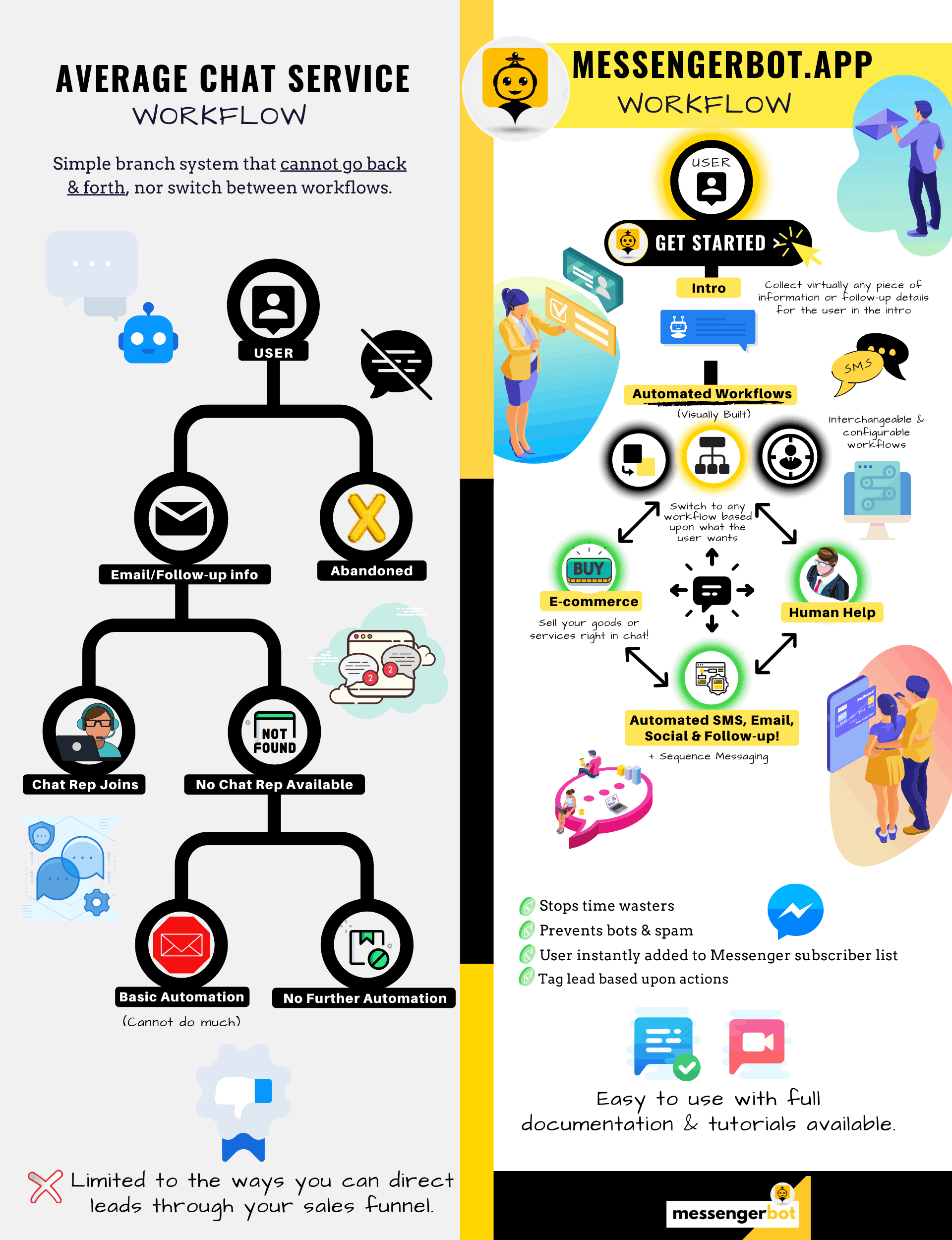
One more business-side note: if your actual goal is not a personal AI assistant on your iPhone but an AI system that replies to customers on Messenger, captures leads, and automates follow-up, you are shopping in a different category. In that case, 查看 MessengerBot 價格 instead of paying for another consumer chatbot subscription that will never touch your customer pipeline.

ChatGPT App Battery and Data Usage: What to Watch Out For

Text-only ChatGPT use is usually light enough that you will not notice it. Voice, photo upload, screen share, and location-aware queries are where battery and data use start to matter.

The reason is simple. Voice mode keeps the microphone, speaker, live network connection, and often the screen active at the same time. If you are also on cellular and moving between weak-signal areas, the radio work goes up too. Add screen sharing for subscribers and the drain climbs again. This is not unique to ChatGPT. It is how real-time media apps behave on iPhone.

Apple already gives you the right measurement tools. You can check app-level battery impact in Settings > Battery and cellular use in Settings > Cellular (Apple Support). Use those menus after a few days of your real workflow instead of trusting generic forum guesses.

What usually burns the most battery

  • Long voice sessions, especially with the screen on
  • Using camera or photo input repeatedly
  • Subscriber screen sharing during voice chats
  • Poor cellular signal while streaming voice

What usually burns the most data

  • Voice sessions on cellular
  • Large file and image uploads
  • Repeated image generation
  • Location-aware responses that pull richer web results

The easiest fixes are boring but effective: use Wi-Fi for voice when possible, disable background conversations if you do not need them, keep photo access limited, and turn off optional location sharing unless local answers are part of your routine. If you are close to the edge on battery, Low Power Mode plus text-only use is far kinder to your phone than another 40-minute voice session.

The bottom line is that the native ChatGPT app is worth installing on iPhone in 2026, but the smart setup is selective. Install the real app, keep permissions tight, learn voice mode if you will actually use it, and keep one or two free alternatives ready for the days when OpenAI is rate-limited, glitchy, or just not the best tool for the job.

常見問題

ChatGPT 的 iPhone 應用程式是免費的嗎?

Yes. The official iPhone app is free to download, and OpenAI’s Free tier now includes GPT-5.2 access, web search, image and file uploads, GPT discovery, and image creation with rate limits. Paid upgrades like Plus start at $19.99 in the US App Store.

我該如何在 iPhone 上下載真正的 ChatGPT 應用程式(不是克隆版)?

打開 App Store,搜尋 ChatGPT,並在點擊獲取之前檢查賣家資訊。官方應用程式由 OpenAI OpCo, LLC 發佈。如果賣家不同,那就不是官方的 OpenAI 應用程式。.

在2026年,ChatGPT能與iPhone上的Siri合作嗎?

是的,但僅限於在支援的設備上透過 Apple Intelligence 使用。Apple 表示,ChatGPT 與 Siri 的整合需要 iPhone 15 Pro 型號或 iPhone 16 或更新型號,至少需要 iOS 18.1,並且必須開啟 Apple Intelligence。您可以選擇有或沒有 ChatGPT 帳戶來使用它。.

為什麼我的 ChatGPT iPhone 應用程式無法運作?

The most common causes are the wrong sign-in method, blocked Safari cookies during Google login, microphone permission problems for voice mode, app-specific crashes, or an OpenAI-side outage. Start with the sign-in method, then check permissions, reinstall if needed, and verify OpenAI’s status page.

ChatGPT iPhone 應用程式的最佳替代方案是什麼?

對於大多數 iPhone 用戶來說,Claude 是最佳的免費全方位替代方案,因為它最接近 ChatGPT 並且在免費層級上仍然實用。Perplexity 更適合帶有引用的研究,Gemini 更適合以 Google 為主的工作流程,而 Copilot 則是一個穩固的主流備份。.

相關文章

zh_TW繁體中文