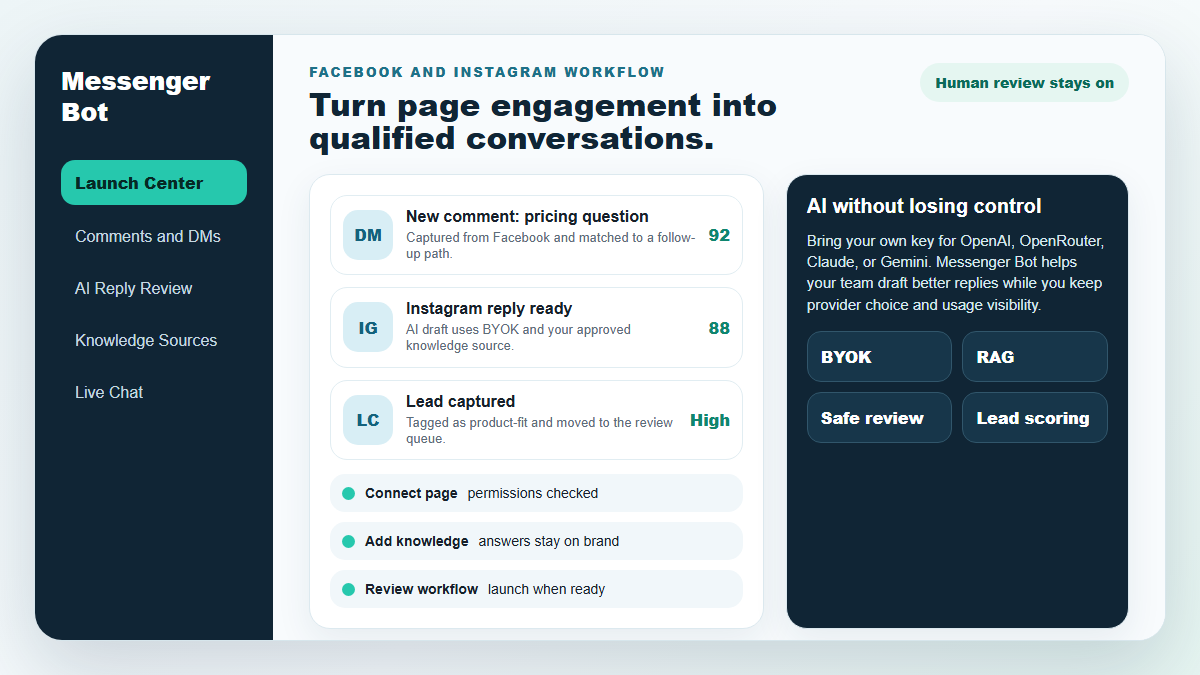
Facebook and Instagram follow-up
Turn more comments and DMs into conversations your team can close.
Start with one proven workflow, capture higher-intent leads, and use BYOK (Bring Your Own Key) AI drafts with human review before anything reaches a customer.
- Comment and DM capture
- BYOK AI reply drafts
- Human review controls
BOT DE MENSAJERÍA
¡Nuestra IA responderá automáticamente de manera inteligente a cualquier comentario o mensaje de un usuario según lo que digan!
Comienza a responder y enviar comentarios y DMs automatizados en tu Facebook, Instagram o cualquier sitio en solo unos clics con plantillas predefinidas!
Crea flujos automatizados que interactúan con los usuarios según su comportamiento y obtén más ventas.
Obtén inscripciones para menos de $0.25 ¡con imanes de leads de marketing por Messenger!
Suscriptores Ilimitados
Sesiones de Chat Ilimitadas
Campañas de Secuencia Ilimitadas
Flujos Ilimitados
Etiquetas de Cliente Ilimitadas
Multilingüe y atractivo
Increíble en cualquier dispositivo
¡Entregue respuestas perfectas en el idioma de su elección! Independientemente de la respuesta del usuario, Bot de Messenger ¡se asegurará de que sea perfecta!
Cumple con 100% de Facebook
El bot de Messenger se somete regularmente a revisiones por parte de Facebook y es una aplicación aprobada y conforme a 100% de Facebook.
Funciona con todos los navegadores principales
¡Funciona bien con Chrome, Firefox, Edge y Safari! No hay necesidad de descargar ningún complemento o aplicación para usar Messenger Bot, todo está 100% en la nube.
Perfecto para cualquier dispositivo
¡Messenger Bot está diseñado para verse increíble en todos los dispositivos, incluyendo móviles, de escritorio y tabletas!
Integral
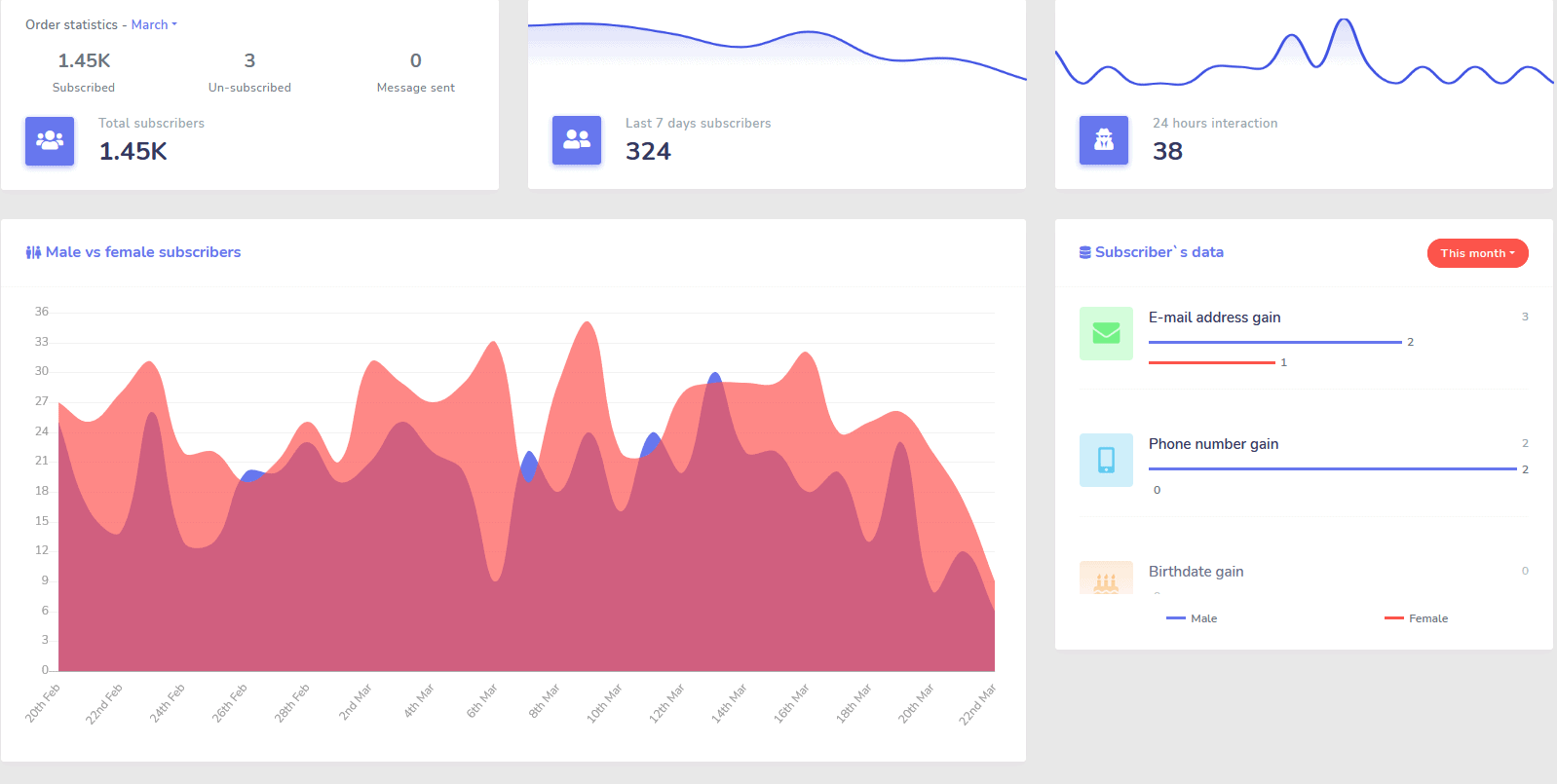
Analíticas
Identifica fácilmente tus canales de mejor rendimiento y obtén una visión clara de tus suscriptores, cómo estás rindiendo, así como dónde estás teniendo el mejor/peor rendimiento y en el medio.
Sigue fácilmente a los suscriptores, los últimos comentarios y otras campañas directamente desde tu panel.
Drásticamente más bajo
Costo por cliente potencial y venta
Con Bot de Messenger ¡puedes estar disponible 24/7 y reducir tu costo por cliente potencial y venta al proporcionar a los usuarios la información que están buscando de inmediato!
¡Además, utiliza Messenger Bot para profundizar en la API de Intereses de Facebook y descubrir audiencias no reveladas a otros anunciantes en Facebook!
Al dirigirte a estas audiencias ocultas con anuncios de Facebook, puedes reducir exponencialmente tu costo por cliente potencial y costo por venta de inmediato.
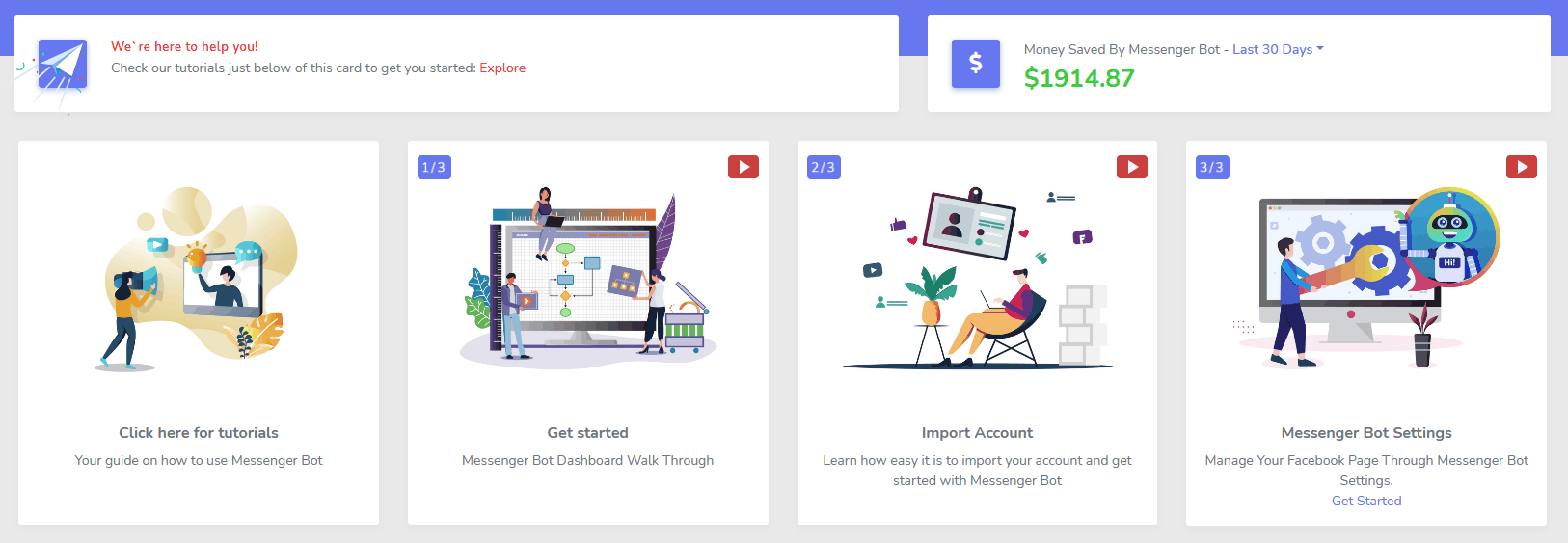
Messenger
Tienda de comercio electrónico
¡Comienza a vender directamente en Messenger y en cualquier otro lugar con tu propia tienda de comercio electrónico personalizable!
¡Mantén el 100% de los ingresos, con 0% de participación en los ingresos y múltiples procesadores de pago para elegir, como PayPal, Stripe y RazorPay!
Incluido en TODOS nuestros planes de suscripción de Messenger Bot.
Ilimitado
Mensajes de Secuencia y Envíos Masivos
Por tiempo limitado, cuando pidas hoy, obtienes ilimitados campañas de mensajería en secuencia y envíos masivos de mensajes!
Siempre llega a tiempo con la mensajería en secuencia que envía tus mensajes deseados al usuario basado en un retraso de tiempo que configures.
Alcanza a tus clientes en masa en el momento adecuado con envíos masivos de mensajes.
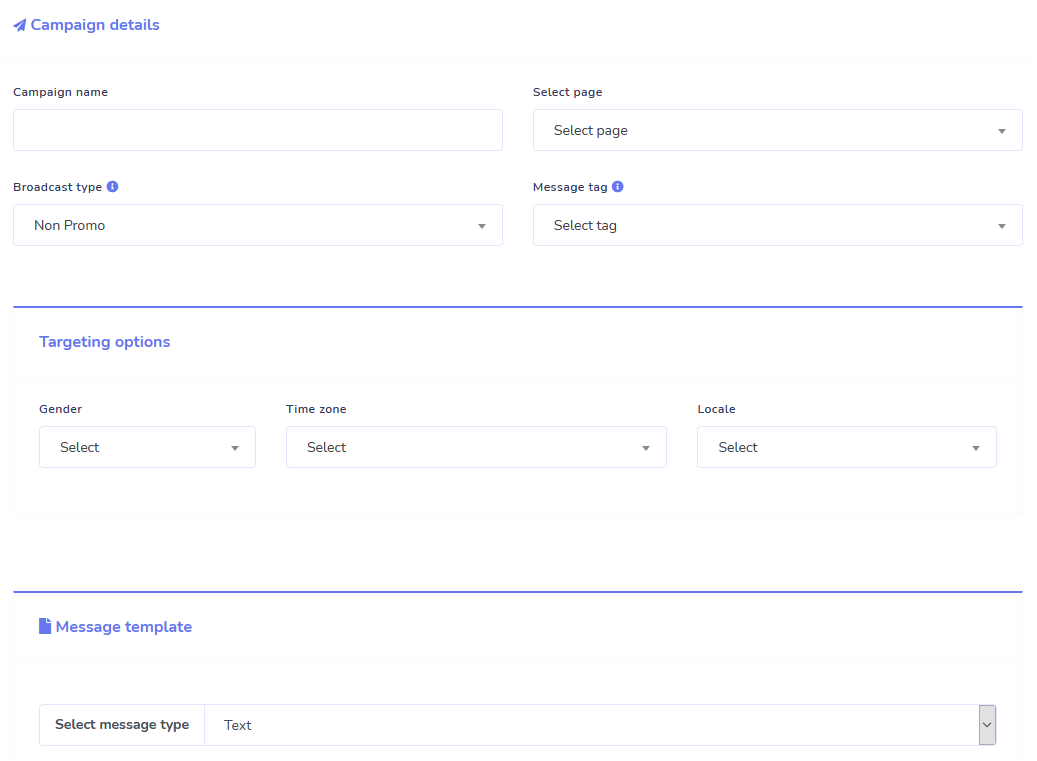
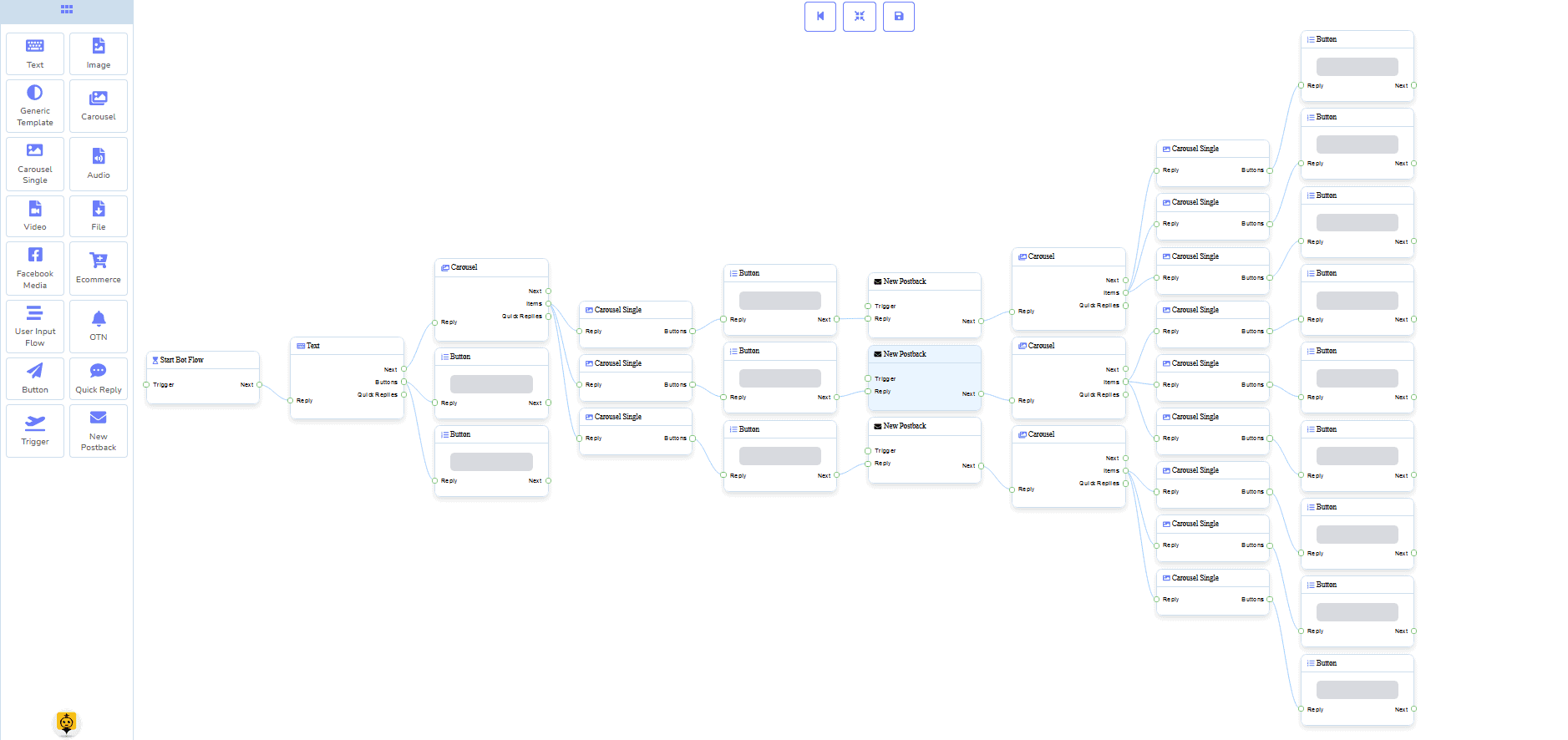
0 Código Constructor de Flujos
+ Hecho Para Ti Plantillas
¡Ve en vivo en solo unos clics con nuestras plantillas hechas para ti!
¡Crea tus flujos de trabajo automatizados sin necesidad de codificación con nuestro constructor visual sin código!
¿Todavía demasiado técnico? ¡Nuestro soporte al cliente está disponible y listo para ayudarte a construirlo para ti!
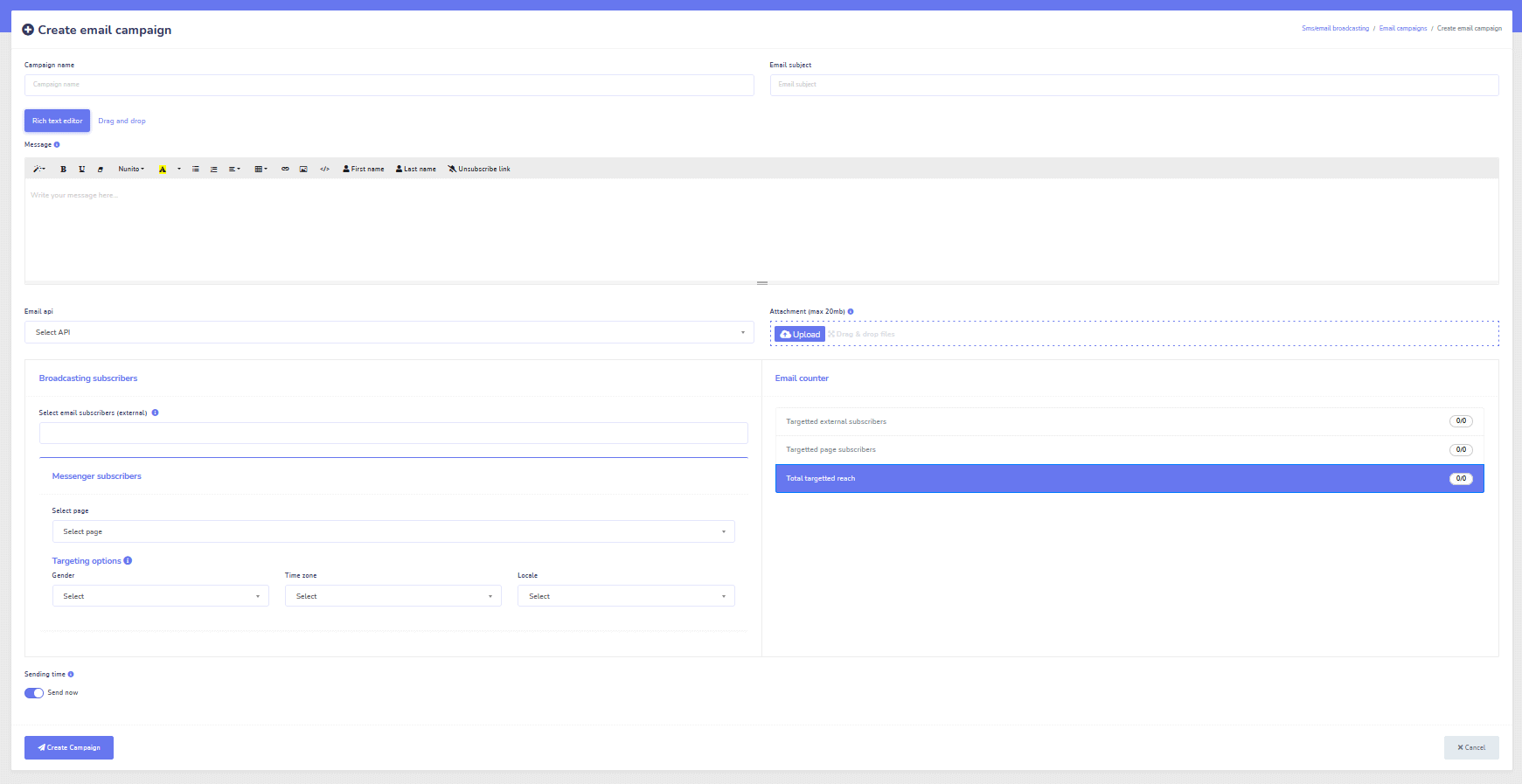
Correo electrónico
Auto-Responder, Transmisión, Secuencia, Suscribirse y Plantillas
¡Responde automáticamente a todos los correos electrónicos!
Envía transmisiones de correo electrónico y campañas de goteo.
¡Construye tus listas de suscriptores y crea plantillas de campañas de correo electrónico con nuestro constructor visual!
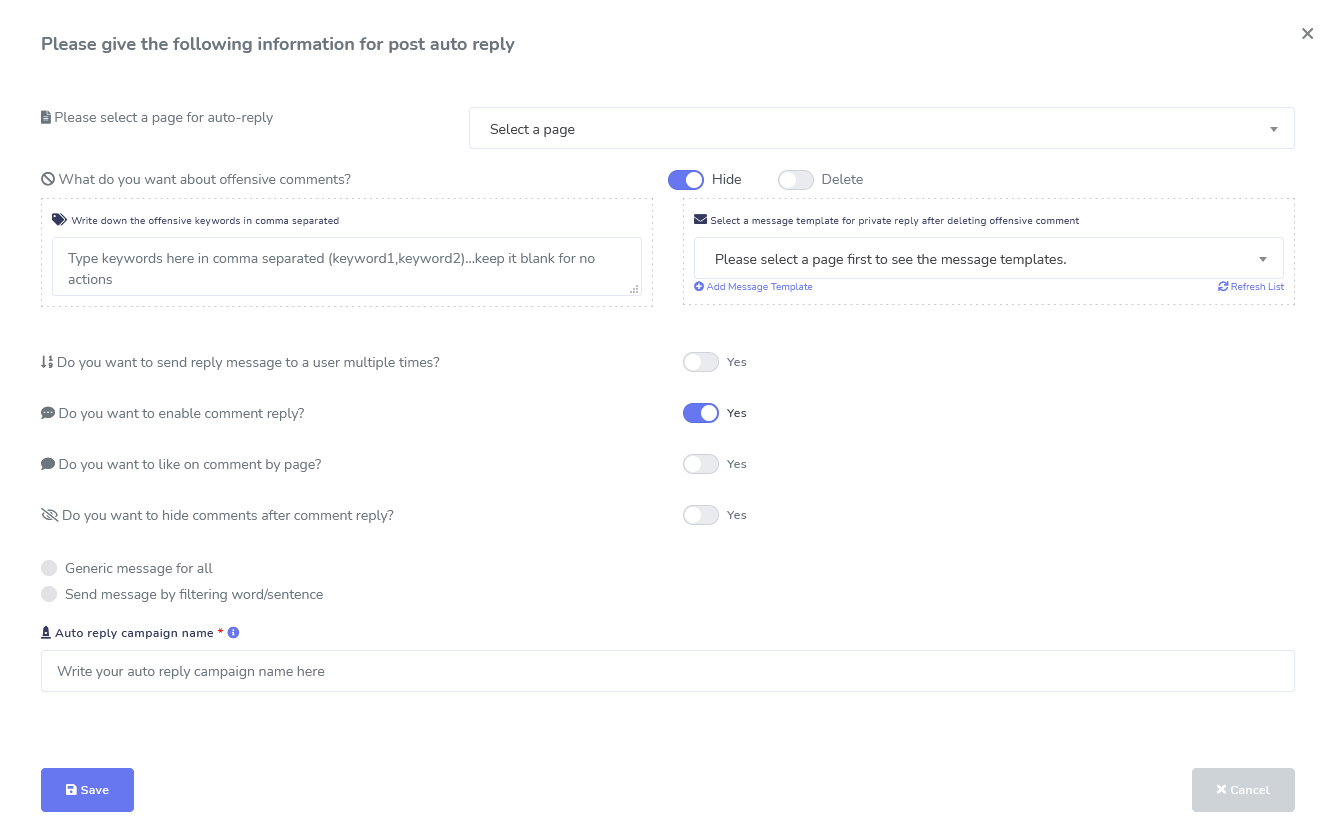
Facebook e Instagram
Moderación de comentarios, automatización, herramientas de publicación y respuesta
Una suite completa de funciones de automatización de Facebook diseñada para ayudarte a crear publicaciones, programar publicaciones, moderar publicaciones y responder automáticamente a publicaciones, así como enviar mensajes de seguimiento!
En vivo o automatizado
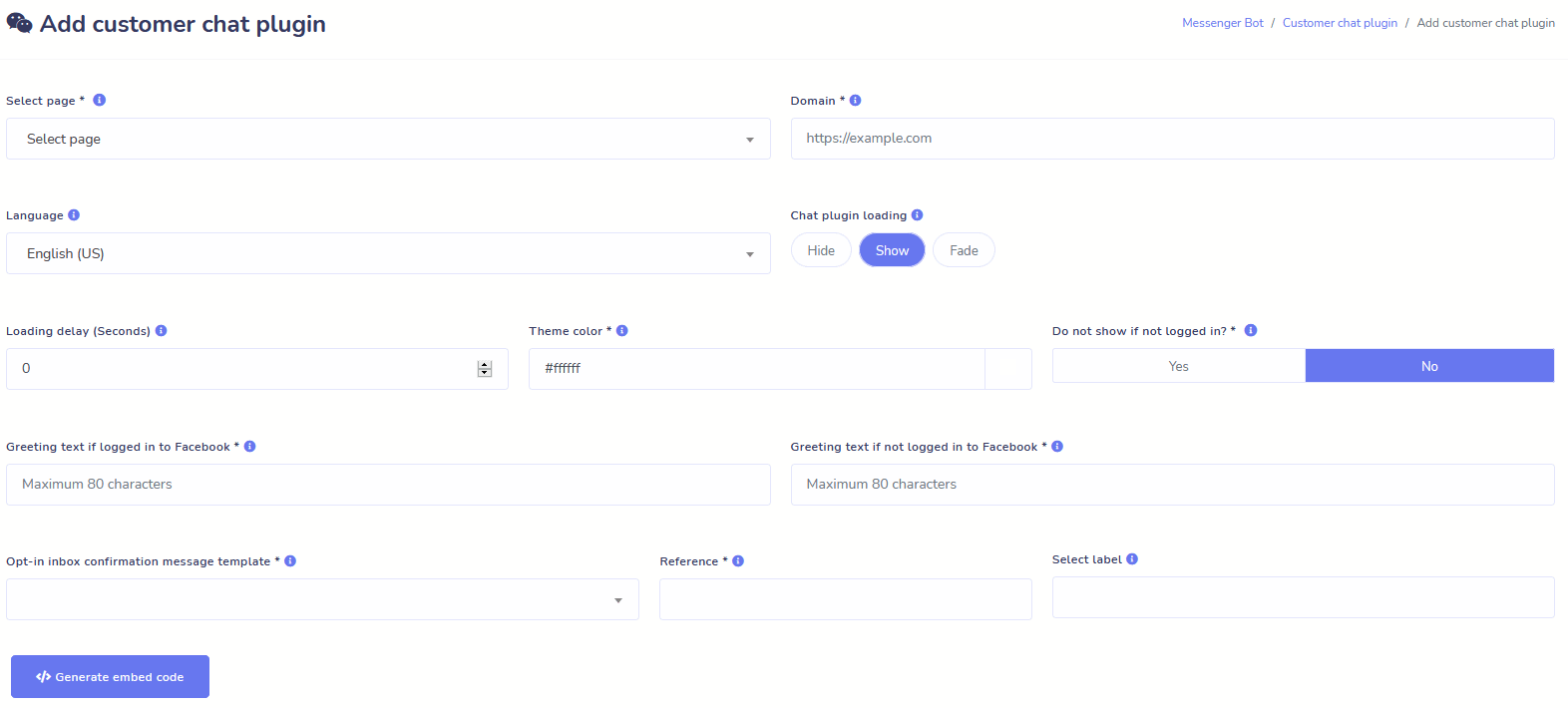
Chat en el sitio web
Automatiza tu chat y permite ayuda humana en vivo a los visitantes que la soliciten.
¡Permite que los usuarios obtengan la información que necesitan bajo demanda y observa cómo florece tu negocio!
Ofrezca a sus usuarios la experiencia que desean en solo unos pocos clics.
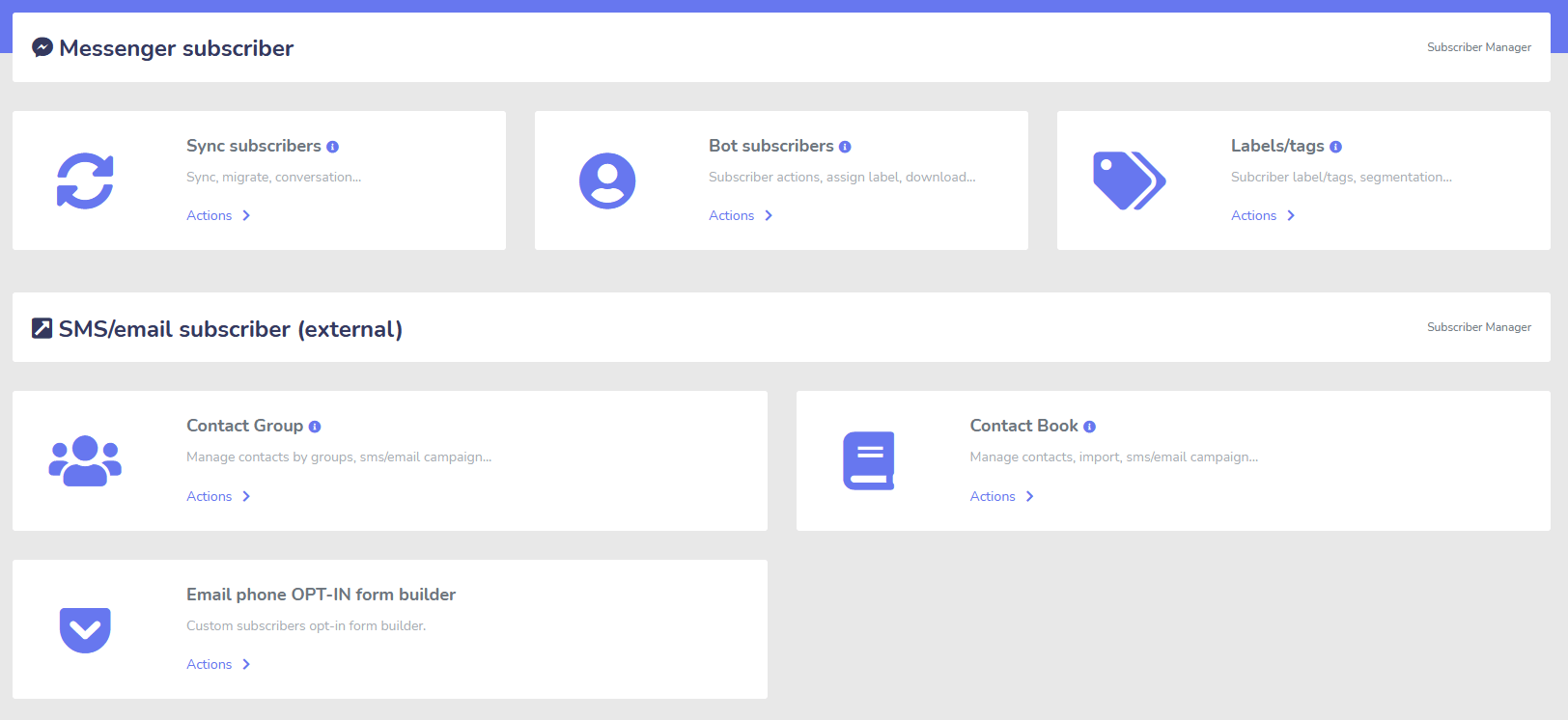
Suscriptor
Constructor, Importador, Administrador y Sincronización
¿Migrando desde ManyChat, ChatFuel o algún otro lugar? ¡Sincroniza fácilmente tus suscriptores con Messenger Bot!
¡Construye fácilmente tus listas de suscriptores con enlaces M.Me, opt-ins de Messenger y más!
El Administrador de Suscriptores te permite obtener la sincronización de suscriptores, ver suscriptores del bot, ver etiquetas y gestionar las actividades de mensajería/correo electrónico en diferentes grupos de contacto.
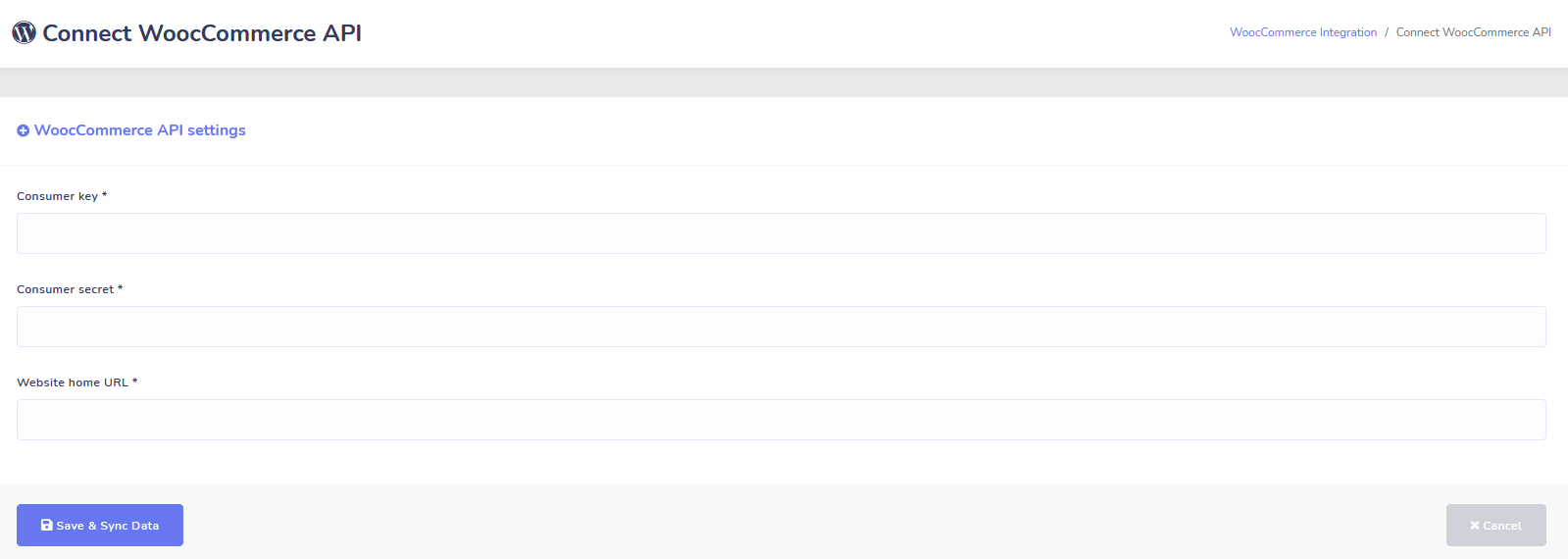
WooCommerce
Sincronización y Recuperación de Carritos Abandonados
Sincroniza tu tienda de WooCommerce en 1 clic.
¡Obtén más ventas recuperando usuarios que han abandonado sus carritos!
¡Integraciones de Shopify + Wix próximamente!
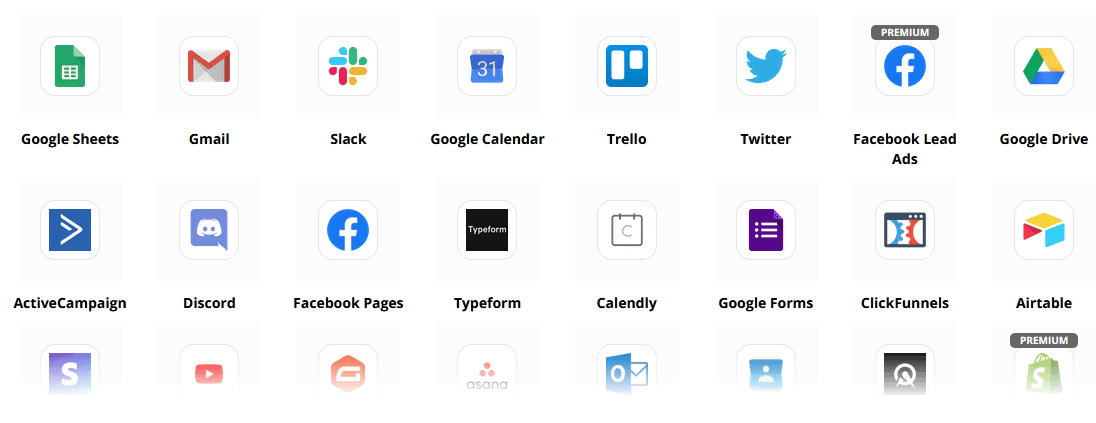
Zapier + JSON API + Google Sheets
Integraciones
¡Conéctate a más de 3,000 aplicaciones con nuestra integración de Zapier o utiliza la API JSON para crear tus propias personalizaciones!
Transfiere datos de suscriptores a Google Sheets automáticamente.
Además
¡Y mucho más!
Utiliza editores de imágenes integrados para crear imágenes y publicaciones dentro de tu panel.
¡Publica automáticamente desde feeds RSS!
Crea tu propio menú persistente de Messenger
y mucho más….
Aquí hay otras formas en que se utiliza el Bot de Messenger
El Bot de Messenger se está utilizando de muchas maneras. Aquí hay una pequeña lista de cómo nos están usando en este momento.
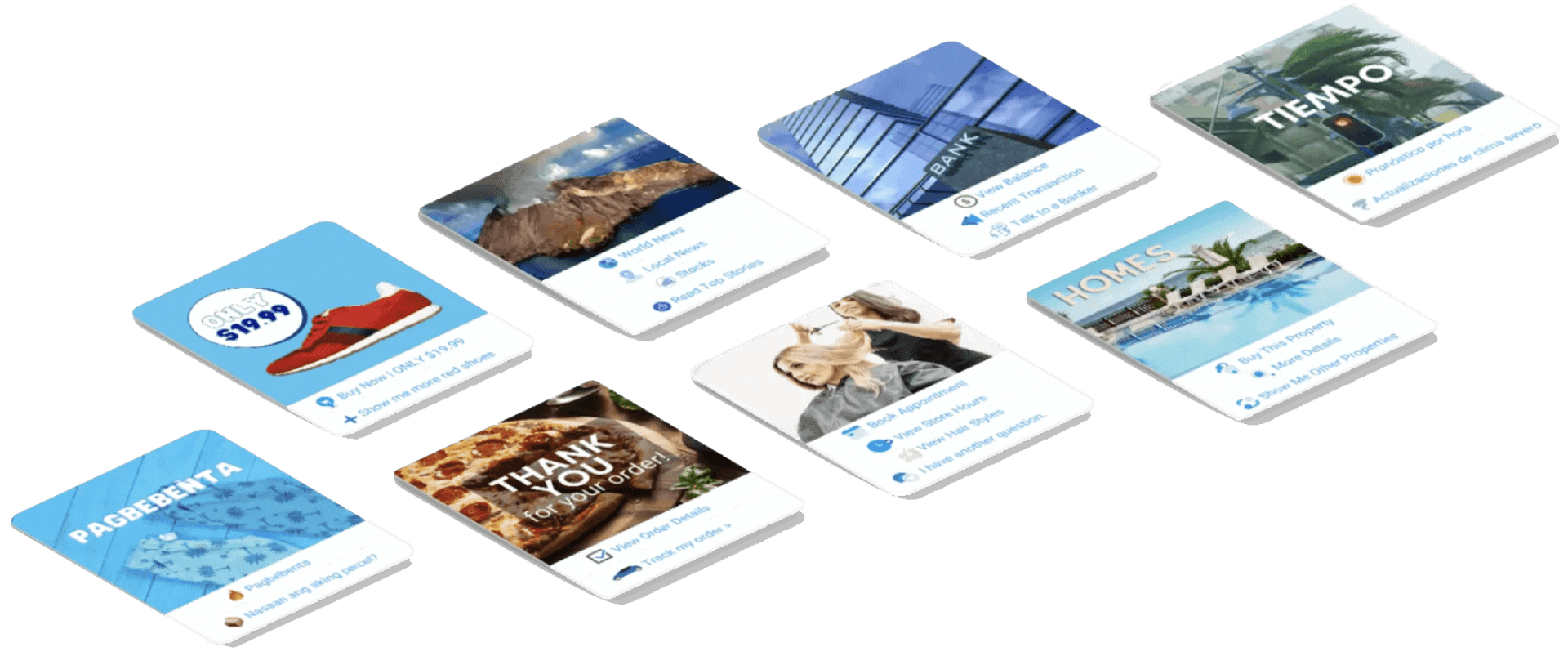
Soporte al Cliente
Dirigir inteligentemente a los clientes a su destino deseado según sus acciones y comportamientos.
Recopilar Información de Clientes
Obteniendo toda la información importante que necesitan los clientes.
Preguntas Frecuentes
Brinda a los usuarios las respuestas que necesitan al instante mientras liberas al mismo tiempo al personal de soporte.
eCommerce
¡Vende directamente en Messenger con una tienda nueva o existente!
Generación de Leads
¡Interactúa con los usuarios y genera leads automáticamente!
Formularios completamente personalizables
¡Crea formularios completamente personalizables y conversacionales en Messenger + tu sitio web!
Bienes Raíces
Muestra propiedades y genera clientes potenciales calificados automáticamente 24/7.
Restaurante
¡Realiza promociones, toma reservas y pagos!
Travel & Tours
Consigue más reservas de viajes y turismo, muestra tus salidas únicas.
Concesionario de Autos
¡Muestra y vende autos a través de Messenger + tu sitio!
Comentarios y Encuestas
¡Crea encuestas y formularios de comentarios totalmente personalizables!
Seguros
Ayuda a presentar y seleccionar pólizas + dar cotizaciones así como programar citas.
Precios Bajos Por Tiempo Limitado
¡Actúa ahora y asegura esta oferta especial para Messenger Bot antes del aumento de precio!
Con Bot de Messenger, ¡ahorrarás en costos de soporte, ventas y suscripción para otros servicios que ya no utilizarás!
Ver Bot de Messenger ¡En acción!
Más de 40,000 usuarios
Soporte 24/7
Satisfacción 100%

Usado y confiado por más de 40,000 usuarios
¡Únete a más de cuarenta mil propietarios de negocios que utilizan y confían en Messenger Bot como una solución de marketing completa de principio a fin!
Practical follow-up resources
Turn more customer conversations into clear next steps.
Use these practical guides to strengthen response speed, lead qualification, and follow-up while your team keeps ownership of every customer decision.
- missed-call text-back guide — Keep high-intent callers moving with a clear, consent-aware follow-up path.
- lead-scoring workflow — Give your team a practical way to prioritize better-fit opportunities.
- speed-to-lead guide — Shorten the gap between a new inquiry and a useful first response.
Pick the right starting point
Choose the Messenger Bot plan that matches the conversations you want to win.
Start with the workflow you need now, then upgrade when your page, team, or client load grows.
Starter
$29 /mo
For one focused page getting its first automated comment and DM follow-up live.
- Launch a guided lead-capture workflow.
- Reply faster without adding another daily dashboard.
- Keep setup simple while you prove the channel.
Pro
$99 /mo
For growing businesses that want BYOK (Bring Your Own Key), business knowledge, and better lead sorting.
- Use AI-assisted drafts with human review.
- Qualify replies before your team spends time on them.
- Keep follow-up consistent across busy launches.
Agencia
$299 /mo
For teams managing multiple brands, clients, assets, and approval workflows.
- Organize client conversations by page and priority.
- Give teams cleaner review paths before replies go out.
- Scale repeatable workflows without adding extra manual work.
A payment card keeps trials focused. You stay in control of the plan before billing starts.
Preguntas Frecuentes Preguntas
¿Qué es un bot de Facebook Messenger?
Un bot de Facebook Messenger es un chatbot automatizado que se puede utilizar para mejorar no solo la experiencia de Messenger, sino también la experiencia de chat en tu sitio web.
¿Qué puede hacer un bot de Messenger por mi negocio?
¡El bot de Messenger te permitirá dar la bienvenida automáticamente a nuevos usuarios, responder a palabras clave o frases específicas, sindicar contenido, generar leads, realizar ventas y más!
¿Por qué necesito un bot de Messenger?
A medida que pasan los días, se vuelve cada vez más difícil alcanzar a tu público objetivo. Es un hecho que muchos de los métodos de marketing tradicionales ya no ofrecen los mismos resultados que hace años.
Nuestro bot de Facebook Messenger resuelve este problema al permitirte lograr tasas de apertura superiores al 80% con mensajería interactiva en tiempo real y secuencias de campañas de chat.
¿Cómo creo un bot de Facebook Messenger?
Primero, necesitarás una cuenta de Facebook y una página de Facebook con derechos administrativos para gestionarla.
Después de eso, compras tu oferta (o te registras para una prueba gratuita) y luego seleccionas “Importar cuenta”.
A partir de ahí, utiliza nuestro Constructor de Flujo Visual para crear y desplegar tu bot en minutos, ¡no en días! Ahora puedes comenzar conversaciones reales con tus clientes, en cualquier momento.
¿Hay una prueba?
Sí, puedes obtener tu prueba gratuita antes de comprar sin necesidad de tarjetas de crédito. aquí.
¿Cuándo expira esta oferta?
Esta oferta expirará pronto, así que si quieres aprovechar el mejor descuento, querrás hacer tu pedido ahora.
¿Listo para hacer un cambio real? ¡Construyamos esto juntos!
Conoce Messenger Bot sin ninguna restricción y solo comienza a usarlo al máximo cuando te encante. Te estaremos esperando.
¡Messenger Bot es mucho más que un simple chatbot!
¡Ahora es posible tener conversaciones complejas automáticamente!
Por qué necesitas Messenger Bot
para impulsar las ventas en tu negocio
Para los mercadólogos, Facebook Messenger se está convirtiendo en una forma novedosa y efectiva de comunicarse con los suscriptores actuales y potenciales de tu página de Facebook y negocio. Con el uso de bots de Messenger, puedes difundir información en cualquier momento del día sin mover un dedo.
Una de las aplicaciones de bots más poderosas, Messenger Bot, se ha convertido rápidamente en un líder en esta nueva industria. Nuestro software de marketing tiene tantas características que hacen que el marketing sea pan comido para empresas grandes y pequeñas. Al usar el chatbot de Facebook Messenger, ahora puedes responder a chats 24/7, enviar mensajes en grandes cantidades a tu público objetivo e incluso publicar videos y fotos en tu página de Facebook. Si lo necesitas para tu negocio, ¡Messenger Bot sin duda lo tiene! A nuestra manera única, podemos ofrecerte un alto nivel de servicio de chatbot que no verás en ningún otro lugar.
Echemos un vistazo a todos los servicios y características que nuestra fantástica aplicación proporciona antes de que comiences. Este impresionante software seguramente será la herramienta de marketing de Facebook Messenger más ideal para ti sin necesidad de codificación.
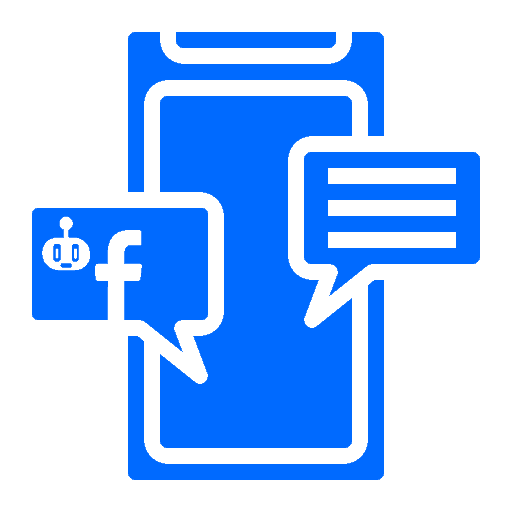
¿Qué es un chatbot de Facebook?
Si solo tienes un conocimiento vago de lo que es una aplicación de bot de Facebook Messenger o Facebook chatbot hace, necesitas entender cómo puede catapultar tu negocio al siguiente nivel. El software está automatizado para enviar mensajes a través de Facebook Messenger utilizando procesamiento de lenguaje natural para entender lo que la persona quiere y inteligencia artificial para interactuar con las personas. Cuando se implementa, puede entender las preguntas que se le hacen y responder esas consultas correctamente. Los chatbots son como asistentes virtuales que pueden mejorar la experiencia del cliente.
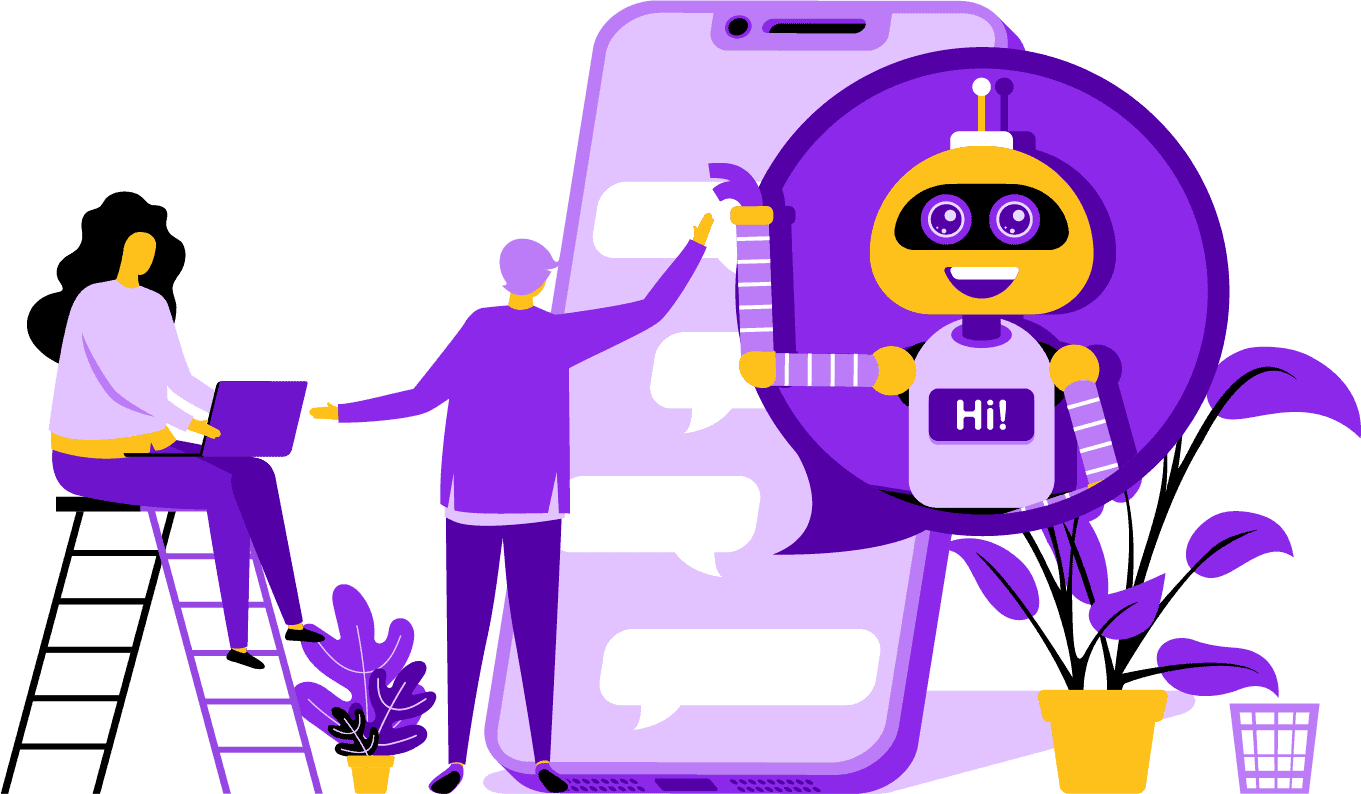
Hay ventajas estratégicas al usar un bot de Facebook Messenger para tu empresa. Si quieres convertirte en un nombre conocido, usar Messenger es una forma inteligente de poner tu empresa y misión en contacto con miles de millones de personas. Facebook Messenger está cómodamente entre las cinco aplicaciones más utilizadas en el mundo. Dado esto, ¿por qué no deberías usar Messenger para las necesidades de tu negocio? Los clientes aprecian la aplicación porque proporciona una forma conveniente y rápida de comunicarse con empresas de todo el mundo. Una empresa puede crecer y aumentar su exposición mientras proporciona un servicio al cliente activo al mismo tiempo. No tienes que preocuparte por el soporte al cliente 24/7 con un chatbot.
Otra ventaja que puede proporcionar un bot de Facebook es la generación de leads. Es más fácil contactar a clientes potenciales con un chatbot de Facebook Messenger. Cuando tu aplicación de bot contacta a clientes potenciales, puede hacer preguntas básicas para identificar las necesidades y deseos de la persona utilizando procesamiento de lenguaje natural. La aplicación puede dirigir al prospecto a tu equipo de atención al cliente o ventas para que se haga cargo y cierre la venta. Como verás, el Messenger Bot puede hacer todo esto y más sin necesidad de codificación. ¡Comienza con Messenger Bot!
Mensajes Masivos
y un Bot de Facebook
Cuando tienes una página de Facebook, hay momentos en los que deseas contactar a suscriptores y clientes potenciales para difundir un mensaje. Messenger Bot tiene una función de mensajes masivos para lograr precisamente eso. ¿Por qué enviar mensajes masivos? Por un lado, se puede entregar rápidamente. Cuando utilizas esta función en Messenger Bot, tus comunicaciones pueden llegar a cualquiera en segundos. Puedes enviar un mensaje masivo a miles de personas cuando usas esta aplicación y saber que se entregará como se pretende. Tus leads pueden conversar e interactuar contigo, lo que genera confianza cuando reciben respuestas precisas y fácilmente comprensibles a sus preguntas. Esta destacada característica que tiene Messenger Bot ayuda a retener tu base de clientes, que es parte de la base para el crecimiento empresarial. Nos enorgullece afirmar que fuimos los primeros en tener capacidades de mensajes masivos que pueden llegar a todos los suscriptores.
Características adicionales automáticas,
Incluyendo el chatbot de Facebook Messenger

-
Me gusta automático
Esta función te da la capacidad de dar me gusta a los comentarios de los suscriptores que encuentres en tu página y debajo de tus publicaciones. Este compromiso puede aumentar la actividad en tu página a medida que otros ven que eres una empresa que aprecia lo que sus clientes y potenciales clientes tienen que decir. Ayuda a conseguir la atención que estás buscando. Agregar me gusta a muchos comentarios también puede retener tu base de clientes cuando ven tu constante participación en tu negocio.
-
Respuesta privada automática a comentarios
El mismo beneficio se aplica a la respuesta privada automática a comentarios de Messenger Bot. Vas a tener situaciones en las que alguien se comunique contigo de forma privada para comentar o hacer una pregunta sobre tu negocio. Nuestra aplicación te permite responder a estos mensajes en cualquier momento del día con la respuesta que necesites. La respuesta está diseñada de acuerdo a tus especificaciones, y el mensaje puede cambiar cuando sea necesario.
Publicación en Facebook<!–
con un Bot de Mensajes
Nuestro bot de mensajes te permite no solo publicar texto en tu página y grupos de Facebook, sino que también puedes automatizar la publicación y el compartir fotos, videos y enlaces. ¡Simplemente no hay nada que Messenger Bot no pueda hacer! Con esta función, ahora puedes lanzar cualquier tipo de medio que desees en cualquier momento. Usar una mezcla de texto y herramientas visuales puede reenganchar a tus suscriptores y ganar nuevos al mismo tiempo.
Mayor Compromiso
con Marketing de Messenger
Nuestro bot de Facebook Messenger puede ayudarte a recibir un mejor compromiso de tus suscriptores y clientes. La investigación ha demostrado que cuando tienes un alto compromiso, tienes una mayor posibilidad de aumentar tus ventas. Puedes usar las muchas características de Messenger Bot para lograr este éxito. Las implementaciones automatizadas de imágenes y otro contenido visual pueden mantener a tu base de clientes interesada en lo que tienes que decir. Puede crear una relación que se centre en la confianza que él o ella ahora tiene en tu negocio. Entendemos cuán vital es este compromiso mejor que nadie más en el mundo de los chatbots. Cuando nos usas, puedes ver resultados casi de inmediato.

Contenido Personal
del Bot de FB Messenger
Nuestro software también puede ofrecer a sus clientes respuestas personalizadas a todos sus comentarios y preocupaciones que puedan tener. Como suscriptor, cuando tiene una experiencia personalizada con una empresa en línea, puede darles la impresión de que le importa sus pensamientos y presencia como cliente. Para aquellos con un trasfondo en ventas y marketing, saben que la satisfacción del cliente es una parte fundamental de un modelo de negocio exitoso. En Messenger Bot, podemos ayudarle a crear esta valiosa personalización que sus clientes requieren para mantenerse leales.
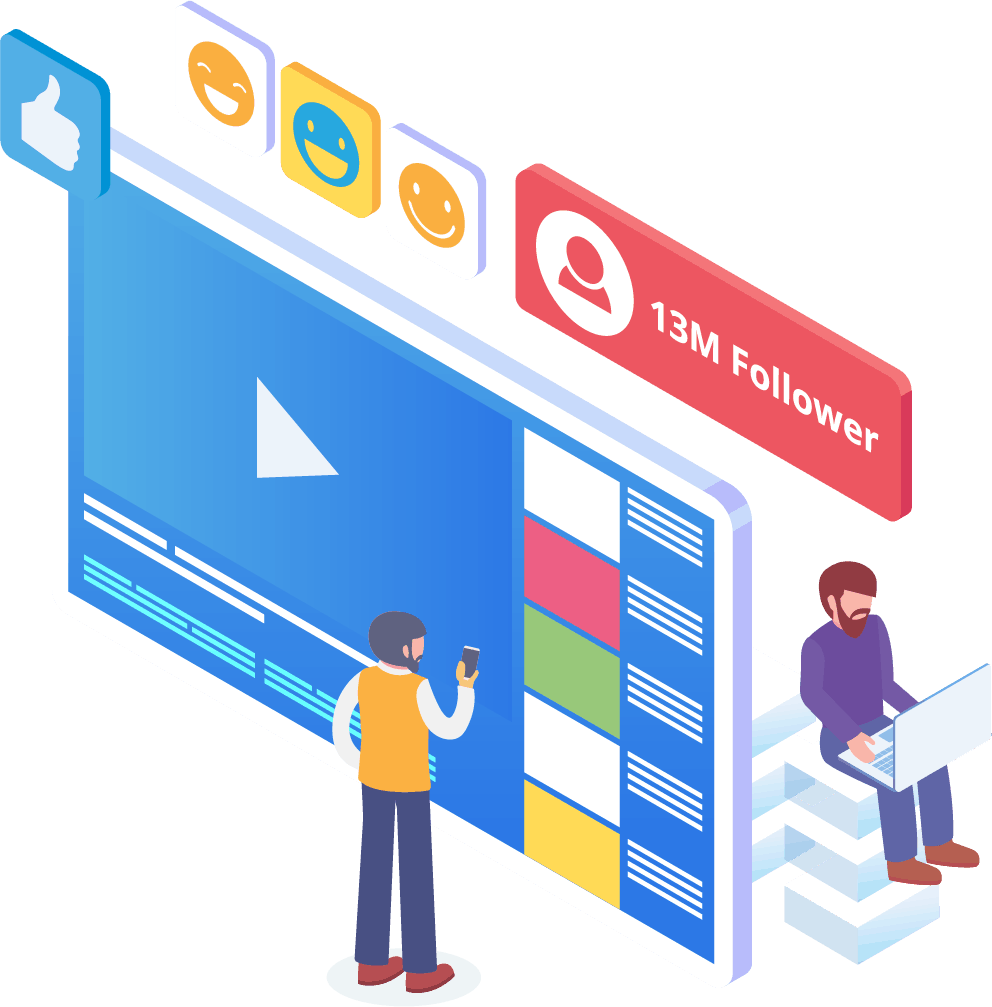
Una Gran Presencia en Redes Sociales
con Marketing de Facebook Messenger
En el mundo de hoy, las empresas necesitan una excelente presencia en redes sociales para mantenerse a la vanguardia. Facebook se ha convertido en una plataforma que puede aumentar la visibilidad de una empresa y atraer nuevos suscriptores y clientes potenciales a su página por cientos. Una de las mejores maneras de interactuar con estos usuarios de Facebook es a través de una aplicación de chatbot. Nuestro chatbot de Facebook Messenger puede ayudarle a entretener, informar y enseñar a aquellos que interactúan regularmente con su página.
Una estrategia de marketing adecuada debe requerir el uso de Facebook y las redes sociales para facilitar el crecimiento de una empresa. Usar nuestra aplicación puede ayudarte a crear un plan de marketing completo y robusto que puede elevar el perfil de tu negocio a niveles previamente inalcanzables. Nuestro servicio de chatbot de mensajería está diseñado específicamente para Facebook y puede adaptarse a medida que el gigante de las redes sociales realiza cambios. Messenger es una herramienta de redes sociales en gran medida inexplorada que puede convertirte en un líder de la industria cuando sabes cómo usarla. Podemos eliminar los juegos de adivinanza y ayudarte a alcanzar tus objetivos comerciales paso a paso.

Analiza Tu
Datos Con Messenger Bot
Como se mencionó anteriormente, nuestra aplicación también puede compilar informes que están destinados a analizar los datos de Facebook y de suscriptores. El software de Messenger Bot está diseñado para entender cómo funcionan los humanos cuando se trata de interactuar con Facebook. Las analíticas que proporcionamos a las empresas te permiten profundizar al crear protocolos estratégicos de ventas y marketing para usar y hacer crecer tu empresa. Te damos la imagen completa para que la examines, y a partir de ahí, puedes extraer lo que necesitas para tener más éxito.
Este análisis de datos en profundidad puede generar nuevas ventas, clientes potenciales y clientes. Al mirar hacia atrás en todas las interacciones que tu página de Facebook y los suscriptores tuvieron durante un tiempo determinado a través del aprendizaje automático, ahora puedes crear contenido que apunte a tu audiencia base. Eliminamos lo que no es necesario al intentar crear contenido nuevo y relevante. Tu enfoque se mantiene donde debería.

Convierte tus leads con Messenger Bot
Messenger Bot puede ayudar a dirigir tus leads hacia una venta. Nuestro software de automatización inicia el proceso al captar la atención de clientes potenciales. Podemos interactuar con el prospecto de una manera básica pero personal que les da la sensación de que importan para tu negocio. Ahora puedes dirigir mejor a esos clientes y mantener el contacto con ellos después del intercambio inicial.
El tiempo de respuesta rápido es esencial para la experiencia del cliente y las conversiones. Con un tiempo de respuesta más rápido, la tasa de satisfacción de tu cliente potencial aumenta a medida que reciben sus respuestas en tiempo real sin complicaciones ni molestias. La experiencia sencilla mejora la retención y las ventas futuras. Cuando un nuevo cliente entra en contacto con un negocio, las primeras impresiones lo son todo. Al usar Messenger Bot, eliminas cualquier complicación y problemas imprevistos al intentar chatear con un suscriptor. Los chatbots son tus asistentes virtuales para tareas simples, así puedes concentrarte más en escalar tu negocio.

Libera tu tiempo con un bot de Facebook
Deja que el Bot de Messenger haga todo el trabajo de interacción por ti y tu negocio. De esta manera, ahora puedes concentrarte en otras tareas esenciales que requieren tu atención completa. Con nuestra innovadora aplicación, ya no hay que preocuparse por olvidar publicar o ignorar involuntariamente un comentario o pregunta. No importa cuándo llegue la interacción. Nuestro software está diseñado para responder cuando sea necesario. Esta función significa soporte al cliente 24/7 para ti y tus suscriptores.
Con nuestro software, todo lo que necesitas hacer es ingresar lo que necesitas en nuestra interfaz fácil de usar, y nosotros nos encargamos del resto. Te quedas con una campaña completa que preparamos para ti. Puedes confiar en nosotros para difundir tu información a ojos y oídos ansiosos.
Aprovecha
la Popularidad de Facebook
Facebook no se está desacelerando pronto. El popular sitio de redes sociales es utilizado por más de mil millones de personas en todo el mundo, y eso incluye Messenger. Los usuarios de la aplicación disfrutan de Messenger porque es fácil de usar. No tienen que hacer clic a través de varios enlaces o páginas para llegar a donde quieren.
Esta ventaja es adecuada para las empresas que desean comunicarse con su base a nivel local. El Bot de Messenger tiene la misma facilidad y conveniencia que atrae a los usuarios de Facebook. Cuando interactúan con el software, se les proporciona información simple y fácil de entender que puede darles una opinión informativa sobre un producto o empresa. Este soporte al cliente está disponible cuando lo necesitan y sin tiempo de espera.
Nuevas Oportunidades
Abundar
Nuestra aplicación de bot puede ofrecerte nuevas oportunidades que otras empresas que eligen no usar un bot de Messenger no tendrán. La aplicación de Messenger todavía se considera un enfoque nuevo para el marketing digital, por lo que cualquier estrategia que utilices a través de nosotros no será desgastada por el tiempo. Te ofrecemos la tecnología líder que está destinada a diferenciar tu negocio de los demás.
A través del Chatbot de Facebook Messenger, descubrirás qué funciona y qué no funciona para ti en lo que respecta a ventas y marketing. Al utilizar nuestros recursos, puedes optimizar el enfoque con el tiempo y asegurarte de que estás presentando tu mejor cara en lo que respecta a tu marca. Los competidores que no están utilizando nuestro chatbot están en una desventaja distinta en cuanto a masa.

Mejorar el Servicio al Cliente
Con el Chatbot de Facebook
Por supuesto, vas a mejorar y optimizar el soporte al cliente que ofreces ahora con nuestra aplicación. Tomamos en cuenta todos los aspectos del soporte al cliente cuando se trata de nuestro software. Tenemos respuestas de alta calidad con la ayuda del aprendizaje automático y el procesamiento del lenguaje natural que pueden satisfacer a los clientes y llevarlos a tomar decisiones de compra rápidas. El tiempo de respuesta inmediato evita que el comprador potencial abandone tu página para comprar un producto en otro lugar.
Además, cuando nuestro chatbot de mensajería solicita información de tu cliente, actúa como un nivel de pre-calificación. Cuando alguien está buscando comprar algo de tu negocio, puedes utilizar esa información voluntaria para servir mejor a futuras campañas y lanzamientos de productos. Ahora has eliminado la necesidad de pasar horas de trabajo para obtener esos detalles simples.
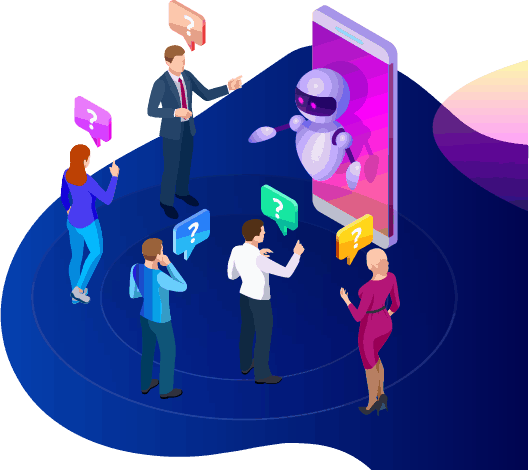
El chatbot también te da la opción de cambiar a un operador humano real cuando las preguntas se vuelven avanzadas, o cuando deseas tomar las riendas de una venta potencial. ¡Con Messenger Bot, realmente puedes tener tu pastel y comértelo también! Ahora tienes un soporte al cliente personalizable con comunicación rápida y herramientas de automatización diseñadas para facilitar el crecimiento y la visibilidad.
Construyendo Marca
Conciencia
Con solo unas pocas acciones rápidas, puedes informar a tu audiencia sobre todo lo que hace tu negocio. Se pueden abordar preguntas de seguimiento, y ahora tu cliente potencial puede ser dirigido más profundamente en tu embudo de ventas.
Móvil
Optimización
Con tantas personas y consumidores utilizando sus teléfonos para todo, el Bot de Messenger reconoce el potencial de ventas y retención de clientes al usar Facebook Messenger para outreach. Nuestro software está diseñado pensando en dispositivos móviles. Nos inclinamos hacia un enfoque limpio y directo cuando diseñamos nuestro software. El resultado es un sistema de bot que funciona sin problemas con dispositivos móviles y Facebook.
Totalmente personalizable
Chatbots de mensajería
Se mencionó anteriormente que el Bot de Messenger es personalizable y puede adaptarse a las necesidades cambiantes de su negocio. Esta característica es valiosa para las empresas ya que hay espacio para cambiar y crecer. Hemos construido un chatbot completamente funcional que puede avanzar junto con su empresa sin importar la dirección. Puede cambiar su estrategia cuando lo necesite, y estaremos allí sin interrupciones.


Fácil de usar
Bot de Messenger
Sabemos que su tiempo es valioso. Cuando quiera implementar una nueva estrategia de marketing a través de nuestra aplicación, no querrá pensar en ello día tras día. Nuestro servicio de bot lo tiene cubierto. Una vez que nos diga lo que necesita, podemos hacer el resto. En solo unos minutos, puede lanzar una campaña que puede aumentar el compromiso y atraerle clientes. Ni siquiera tiene que mover un dedo desde la implementación inicial si no lo desea. Nuestra tecnología compleja asegura que su experiencia de usuario sea libre de problemas y fácil.
El Bot de Messenger está diseñado para ayudarle a usted y a su negocio a alcanzar su máximo potencial en términos de marketing y ventas. A través de nuestra innovadora aplicación, puede extraer información valiosa que puede aumentar su visibilidad y popularidad en Facebook. Su nueva conexión con los suscriptores ayuda a retener su base y conquistar nuevos clientes. ¡No hay nada igual! Pruébanos hoy, y quedará impresionado con los resultados. Construya su primer chatbot de messenger sin necesidad de codificación.
¿Listo para hacer un cambio real? ¡Construyamos esto juntos!
Conoce Messenger Bot sin ninguna restricción y solo comienza a usarlo al máximo cuando te encante. Te estaremos esperando.
 Español
  English
  Tagalog
  简体中文
简体中文  العربية
  हिन्दी
  Português do Brasil
  Español de México
  Français
  বাংলা
বাংলা  香港中文
香港中文  繁體中文
繁體中文  Nederlands
  Deutsch
  Bahasa Indonesia
  日本語
日本語  한국어
한국어  Polski
  Русский
  Tiếng Việt