
大多数聊天机器人购买错误发生在您比较供应商之前。一个业务团队打开五个定价标签,观看几个华丽的演示,然后开始询问哪个平台是“最佳”的。这通常是错误的第一个问题。真正的决策在更早的时候就已出现:您是在构建一个规则基础聊天机器人、一个 AI 聊天机器人,还是一个借鉴两者的混合型?
这种区别很重要,因为这些架构以完全不同的方式失败。当用户偏离您设计的路径时,规则基础的机器人会失败。当 AI 机器人听起来很自信但错过了业务规则、编造了答案或抓取了错误的来源时,它会失败。一种是可预测但狭隘,另一种是灵活但需要更强的治理。.
我在 2026 年 4 月 12 日检查了公共定价页面和产品文档,以获取本文中的平台数字。当我引用像 Intercom、HubSpot、Tidio、Freshchat、Zendesk、ManyChat、Landbot 和 MessengerBot 等供应商时,请将这些数字视为当前的公共基准,而不是您最终发票将与主页示例相匹配的承诺。座位、联系人、AI 结果、会话、渠道和年度折扣都会改变账单。如果您想在此架构指南之后了解更广泛的供应商格局,请从我们的开始。 完整的聊天机器人比较.
我的简短版本很简单。如果对话路径必须保持固定、可审计且以转化为导向,那么基于规则的机器人仍然难以超越。如果客户在凌晨2点提出开放式问题并期望得到有用的答案,那么AI现在是更强的默认选择。如果您是为真正的业务购买而不是演示,您最终可能还是会得到一个混合堆栈。.
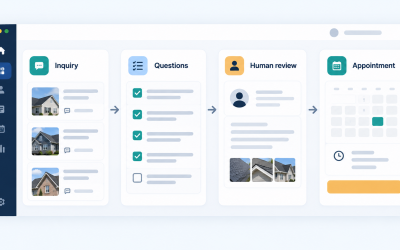
两种具有完全不同操作权衡的聊天机器人架构
基于规则的聊天机器人是一个带有友好界面的状态机。它通过按钮、关键词触发器、分支、表单、标签和硬编码条件引导用户。您提前决定路径。该机器人并不以与大型语言模型相同的方式“理解”问题。它识别触发器,检查规则,并将用户引导到下一步。.
AI聊天机器人的工作方式不同。它不依赖于完全脚本化的树,而是使用语言模型来解释意图、生成回复、选择工具或从知识源中检索答案。在2026年,这通常意味着三种模式之一:普通的LLM聊天、增强检索生成(RAG)或一个混合堆栈,其中AI处理语言而规则引擎处理动作。.
这种架构分裂在其他地方创造了不同的权衡:
- 基于规则的机器人 更容易测试,更容易管理,并且通常在狭窄的用例中更快启动。.
- AI机器人 涵盖更多语言多样性、更多非工作时间支持量以及更多知识密集型对话,而不强迫客户进入严格的菜单。.
- 混合系统 通过让人工智能解释和说明,同时规则批准、引导和执行,从而减少每种方法的主要弱点。.
一旦你以这种方式看待问题,购买决策就会变得更加清晰。你不是在选择旧聊天机器人和新聊天机器人之间,而是在选择控制系统之间。.
2026年基于规则的聊天机器人实际工作原理
当生成性人工智能爆发时,基于规则的聊天机器人并没有消失。它们只是转移到了那些确定性仍然比对话范围更重要的工作中。在2026年,最好的基于规则的机器人不是人们记忆中2018年的丑陋关键词陷阱。它们更简洁、更快速、更好地集成,通常使用非开发人员可以维护的可视化流程工具构建。.
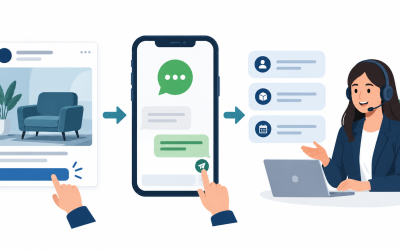
在后台,逻辑仍然是明确的。用户点击菜单选项,发送触发短语,填写表单字段,或进入标记的细分。机器人检查你定义的条件,并将其推送到下一个分支。如果用户说了一些意想不到的话,系统要么显示后备选项,要么重新启动,要么交接,要么进入安全的默认响应。.
这听起来有限,有时确实如此。但当目标明确时,这种限制就变成了一种优势。如果你的业务需要每次都以正确的格式收集姓名、电子邮件、电话号码、产品兴趣、预订日期或订单ID,那么脚本路径通常比开放式人工智能聊天转换效果更好。机器人并不是在猜测下一步最佳行动应该是什么。你已经决定了。.
基于规则的聊天机器人在五种常见的2026情况中最强大:
- 从付费流量中捕获潜在客户: 广告点击到即时资格确认再到预订表单。.
- Messenger和Instagram自动化: 评论、私信、欢迎序列和自动回复。.
- 简单的支持路由: 订单查询、营业时间、分店位置、退货政策、商店可用性。.
- 预约和预订流程: 选择服务、选择时间、确认细节,如有需要则交接。.
- 合规敏感的工作流程: 批准的措辞,受控的披露,固定的免责声明。.
这一类别的定价仍然具有吸引力,因为您主要支付的是频道、联系人和自动化能力,而不是每个 AI 生成的结果。ManyChat 于 2026 年 3 月 2 日为新账户推出的更新定价模型起价为 每月 $17 适用于基础版和 每月 $39 适用于专业版,超出部分按联系人计费。MessengerBot 当前的公开定价起价为 每 30 天 $19.99 适用于高级版和 每 30 天 $49.99 适用于专业版。Landbot 的入门计划目前是 每月 40 欧元, 或 每月 32 欧元 按年计费,用于网站和 Messenger 聊天机器人。.
真正的问题是维护漂移。每当您的报价变化、菜单变化、政策变化、交接逻辑变化或出现新的用例时,就必须有人手动更新流程。基于规则的机器人不容易推广。它们之所以表现良好,是因为您保持它们的狭窄。.
为什么基于规则的系统在销售中仍然比人们承认的更常胜出
买家通常不希望在点击广告时进行诗意的对话。他们想要明确的下一步。结构化的机器人可以在不让对话偏离有趣但转化率低的岔路的情况下,确认预算、地点、用例、时间表和联系信息。这就是为什么许多营销团队仍然比纯 AI 更信任脚本化流程来捕获漏斗顶部的潜在客户。.
还有另一个原因:测试。如果您想对开盘报价、按钮顺序、后续问题或预订 CTA 进行 A/B 测试,基于规则的系统更容易测量,因为每个分支都是离散的。AI 可以进行更多个性化,但基于规则的系统更容易自信地优化。.
2026 年 AI 聊天机器人的工作原理:RAG、LLMs 和混合控制层
2026 年的 AI 聊天机器人很少仅仅是“您网站上的 ChatGPT”。严肃的商业部署通常至少有三层:一个解释语言的模型、一个为答案提供依据的真实来源,以及一个决定何时升级、行动或保持安静的控制层。.
普通的 LLM 版本是最容易理解的,也是对业务关键工作流程最不安全的。您将用户的消息发送给模型,模型回复,可能一些提示指令会影响语气。这在演示中可能感觉很神奇。它也带来了最大的幻觉风险,因为模型更多地依赖于其训练和提示上下文,而不是您批准的业务内容。.
RAG 是支持、售前和知识密集型任务的更实用模式。系统首先从您的常见问题解答、帮助中心、知识库、政策文档、网站页面、产品文档或内部笔记中检索相关内容,而不是要求模型从一般记忆中回答。然后,模型使用这些检索到的段落撰写回复。如果检索层表现良好,准确性会提高,幻觉会减少。.
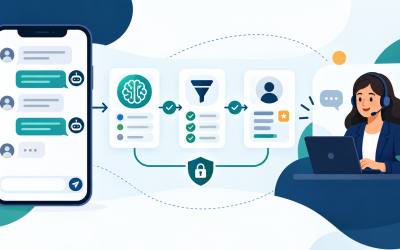
最强大的系统更进一步,变成混合型。模型仍然处理混乱的语言问题,但规则层控制执行。这意味着 AI 可以理解“我的包裹还没有到,我需要在星期五之前收到它”,而系统决定是否应该显示订单状态操作、升级到人工客服,或自动拒绝承诺退款。这是大多数生产机器人正在发展的方向,因为它保持了 AI 的实用性,而不让其随意处理业务政策。.
以下是主要 AI 架构在实践中的分解:
| AI 模式 | 工作原理 | 主要优势 | 主要风险 |
|---|---|---|---|
| 仅 LLM 聊天机器人 | 模型直接从提示上下文和一般训练中回复 | 获取自然对话的最快方式 | 最高的幻觉和政策漂移风险 |
| RAG 聊天机器人 | 首先检索商业内容,然后生成答案 | 更强的事实基础 | 糟糕的检索仍然会产生错误答案 |
| 混合人工智能加规则 | 人工智能理解语言,规则批准行动和交接 | 灵活性和控制的最佳平衡 | 更多的设置和治理工作 |
这也是供应商定价与经典聊天机器人软件看起来非常不同的地方。Tidio的客户服务平台起价为 每月 $24.17, 而 Lyro AI Agent 的起价为 每月 $32.50 ,Tidio 表示 Lyro 可以解决高达 67% 的客户问题。Intercom 当前的定价起价为 每月每个席位 $29 按年计费,另外加上 每个 Fin 结果 $0.99. HubSpot 服务中心入门版起价为 每个座位每月 $15, 但 Breeze 客户代理可在专业版和企业版中使用,并转为 每个解决的对话$0.50 自 2026 年 4 月 14 日起。Freshchat 有一个 免费 计划,增长计划从 每个代理每月 $19 按年计费,Freddy AI 代理在包含的试用配额后为 每 100 次会话 $49. Zendesk 当前以 AI 为重点的公共套餐起价为 每个代理每月 $155 按年收费的套件 + Copilot Professional,而高级 AI 代理则以销售价格出售。.
这种定价结构告诉你有关架构的重要信息。基于规则的软件通常按访问和规模收费。AI 软件越来越多地按成功工作收费:结果、会话、对话、解决方案或积分。如果机器人做得更多,账单也会随之增加。.
为什么 RAG 成为默认而不是可有可无的选项
如果你在没有将 AI 与当前业务内容结合的情况下部署 AI,你就是在请求可避免的错误。支持或销售机器人必须了解你当前的发货窗口、退款政策、定价页面、功能限制、入职步骤和升级规则。一个在互联网上训练的模型无法可靠地知道这些。RAG 的存在是因为生产团队通过艰难的方式学到了这一点。.
这也是为什么严肃的商业 AI 不是一个“无需注册”的类别。消费者演示可以是免费的且无需注册。生产聊天机器人需要账户、权限、数据源、速率限制、分析、交接设置和人工治理。如果一个商业 AI 工具在演示中看起来毫不费力,那么设置工作只是隐藏在幕后。.
AI 聊天机器人实际上节省时间的地方
当人们用不同的词问同样的问题时,人工智能表现得尤为出色。一个人可能会输入“我的订单在哪里”,“跟踪没有更新”,“这已经发货了吗”,或者“我仍然没有收到我的包裹”。规则树可以捕捉到其中的一些,但人工智能层可以理解所有这些,并将人引导到相同的解决路径,而不需要先强制选择一个固定的菜单。.
这就是为什么人工智能在客户支持、内部帮助台、SaaS 入职、多产品知识库和咨询性售前中表现得特别好的原因,因为买家在准备点击按钮之前会提出自然语言问题。.
人工智能聊天机器人与基于规则的聊天机器人:真正重要的架构比较表
如果你只记住本文的一部分,请记住这个表格。下面的差异对预算、人员配置、质量保证、部署速度和客户体验的影响远大于平台主页上的徽标。.
| 决策领域 | 基于规则的聊天机器人 | 人工智能聊天机器人 |
|---|---|---|
| 回答方法 | 预定义的分支、触发器和条件 | LLM 生成的回复,结合检索、工具或提示逻辑 |
| 用户输入风格 | 按钮、快速回复、有限的自由文本 | 开放式自然语言 |
| 可预测性 | 如果流程维护得当,非常高 | 较低,除非与RAG和强有力的保护措施相结合 |
| 意外措辞的覆盖率 | 弱 | 强 |
| 最佳启动速度 | 针对狭窄用例的最快速度 | 因为数据、测试和后备更重要,所以速度较慢 |
| 维护模式 | 逻辑变化时的手动分支编辑 | 持续的内容、检索和提示调整 |
| 幻觉风险 | 如果每个响应都是脚本化的,几乎为零 | 除非通过基础和政策规则进行控制,否则是真实的 |
| 后备行为 | 通常明显且僵化 | 在升级之前可以保持更长时间的帮助 |
| 测试负担 | 分支覆盖率和表单验证 | 检索质量、提示行为、边缘案例和升级 |
| 最佳渠道适配 | Messenger、Instagram、短信、着陆页、预订小部件 | 网站聊天、帮助台、应用支持、知识密集型网页流程 |
| 潜在客户捕获一致性 | 优秀 | 如果强制执行表单或操作则良好 |
| 知识库问题处理 | 除非每个答案都是预先编写的,否则表现较差 | 优秀,具有强大的RAG |
| 人工交接 | 简单明了 | 设计良好时更具上下文丰富性 |
| 本地化和语气变化 | 劳动密集型 | 更容易适应不同的语气和语言 |
| 合规控制 | 因为输出是固定的,所以很强 | 需要审批逻辑、红线和监控 |
| 分析清晰度 | 易于按分支和转化步骤归因 | 需要更强的仪器来理解回复为何有效 |
| 成本模型 | 通常是固定订阅加上联系人或座位扩展 | 通常是座位定价加上可变的AI使用或结果 |
| 整体最佳适配 | 确定性流程和高意图转化路径 | 灵活的支持和知识密集型对话 |
实际的收获不是一个是现代的,一个是过时的。而是它们解决不同的操作问题。如果你的商业问题是“人们用25种不同的方式问同一个问题”,那么AI胜出。如果你的问题是“我需要将每个线索引导到正确的渠道并确保数据的准确性”,那么基于规则的系统仍然比人们预期的更常胜出。.
准确性和错误处理:可预测的答案与灵活的检索
这就是大多数架构选择生死存亡的地方。团队通常过于关注聊天机器人听起来是否自然,而忽视了它的失败表现。这是错误的。一个聊天机器人应该更少地根据其最佳响应来评判,而更多地根据其失败行为。.
基于规则的机器人更容易让人信任,因为它无法编造你从未写过的退款政策。如果分支存在,答案是一致的。如果分支不存在,失败是显而易见的:用户会遇到死胡同,得到备用提示,或者被转接。这可能很烦人,但通常比一个打磨得很好的错误答案更安全。.
AI机器人更灵活,因为它可以理解模糊的措辞、长问题、混合意图和对话上下文。权衡是灵活性增加了系统部分错误的方式。模型可能检索到错误的文章,错误地组合两个政策,或者回答一个相邻的问题而不是实际的问题。答案听起来可能很出色,但仍然在操作上是危险的。.
这就是为什么强人工智能的错误处理现在看起来很像经典的工程学科:
- 基于批准的内容提供答案。. 如果答案不在允许的来源中,请不要让机器人即兴发挥。.
- 在风险主题上强制升级。. 账单争议、退款、法律、医疗、隐私和账户安全问题应该很少完全自主处理。.
- 每周记录和审查失败的线程。. 失败模式告诉你问题是内容、检索、路由还是政策。.
- 衡量真实的解决方案,而不仅仅是参与度。. 一个说得很多但解决问题很少的机器人只是更便宜的混乱。.
在实践中,基于规则的准确性在你可以完全指定的流程中更高。人工智能的准确性在你无法现实地编写脚本的广泛问题集上更高。这是诚实的比较。说一种架构是“更准确的”而不具体说明工作是草率的。.
如果交互有一个正确的下一步,基于规则的方式更安全。如果用户需要机器人理解语言的多样性并从大量知识中提取正确的内容,那么一旦建立了RAG和交接规则,AI则更安全。.
需要关注的真实失败模式
基于规则的机器人最常见的失败是过于狭窄。用户选择了错误的菜单,输入超出了预期流程,或者因为路径感觉机械而放弃。AI机器人最常见的失败是过于宽泛。它们回答得过于自信,跳过了业务规则,或者在应该由人类接管时在对话中停留太久。.
这就是为什么混合模型通常更容易向领导层辩护。AI处理解释。规则处理红线。人类处理例外情况。.
构建、运行和维护每种类型的成本
仅仅看标价是比较聊天机器人的一个糟糕方式,因为计费模型不同。基于规则的软件通常看起来便宜,因为你支付固定的订阅费并自己做更多的设计工作。AI软件在入门级看起来可能很实惠,但当你增加座位、AI结果、会话包或企业治理时,成本会迅速增加。.
这是我在2026年4月12日确认的当前公开定价情况:
| 平台 | 架构偏见 | 当前公开入门定价 | AI定价模型 | 免费选项 |
|---|---|---|---|---|
| MessengerBot | 基于规则的/混合社交自动化 | 高级 $19.99 每30天;专业版 $49.99 每30天 | 包含在计划级别功能组合中,未在公共页面上按结果定价 | 未显示永久免费层;付费报价定价和试用信息 |
| 多聊天 | 基于规则的/混合社交自动化 | 基础版 $17 每月;专业版 $39 每月 | AI助手打包在更高的计划中,而不是公共结果计费 | 是的,免费计划 |
| 兰德博特 | 规则构建器正在向混合方向发展 | 入门版每月40欧元,年度每月32欧元 | 包括100个AI聊天在Starter;额外的AI聊天每个1欧元 | 是的,Sandbox免费层 |
| Tidio | 以AI为先的中小企业支持 | Starter每月$24.17;Growth每月起价$49.17 | Lyro AI代理每月起价$32.50 | 是的,免费计划和前50个Lyro对话免费 |
| HubSpot | 混合AI加CRM | Service Hub Starter每个座位每月$15 | Breeze客户代理在Pro和Enterprise上可用;从2026年4月14日起每解决一个对话$0.50 | 是的,免费计划和首次客户代理设置享有28天免费访问 |
| Intercom | 以人工智能为首的服务平台 | 每个座位每月 $29,按年计费 | 每个结果 $0.99 的金融人工智能代理 | 14天免费试用,无持续免费层 |
| Freshchat | 混合服务平台 | 每位代理每月$19,按年计费 | Freddy人工智能代理前500个会话包含在内,之后每100个会话 $49 | 是的,免费计划 |
| Zendesk | 企业人工智能服务平台 | 套件 + Copilot专业版每个代理每月 $155,按年计费 | 高级人工智能代理以销售价格提供;Copilot包含在捆绑中 | 仅限免费试用 |
该表格显示了为什么“人工智能聊天机器人与基于规则的”实际上既是一个金融问题也是一个产品问题。基于规则的构建器通常可以在可预测的月度订阅上持续一段时间。人工智能平台越来越多地将账单转向使用量或成功解决方案。如果机器人在做有意义的工作,这可能是很好的。但这也可能惩罚草率的实施。.
考虑成本的更清晰方式是分为三个层次:
- 建设成本: 对话设计、集成、内容清理、质量保证和设置时间。.
- 运行成本: 平台订阅、席位、联系人、人工智能结果、会话、积分和渠道。.
- 维护成本: 更新流程、培训来源、审核失败和改进交接。.
| 成本层 | 基于规则的聊天机器人 | 人工智能聊天机器人 |
|---|---|---|
| 典型的无代码软件成本 | 通常在中小企业入门级别为每月$17到$50 | 通常在$32.50到$99之间,加上座位或使用量,才能达到较大的规模 |
| 实施工作量 | 如果流程较短且确定,则较低 | 因为内容基础和测试更为重要,所以较高 |
| 额外对话的边际成本 | 通常在接触或层级限制生效之前较低 | 可以直接随着解决方案、会话或使用的积分上升 |
| 持续的劳动 | 分支编辑和活动调整 | 知识更新、检索调优、提示管理、失败审查 |
For most SMBs, the build-side math usually lands like this:
- Rule-based launch: cheapest if your use case is lead capture, appointment booking, FAQ routing, or social DMs.
- AI launch: more expensive if you need a clean help center, content ingestion, escalation logic, and quality monitoring.
- Hybrid launch: highest setup cost, but often the lowest long-run regret because it lets you automate without giving up control.
If you are still modeling costs, our 聊天机器人定价指南 goes deeper into seat pricing, usage-based billing, and the point where a starter plan stops being the cheap option.
How Fast You Can Deploy Each Architecture Without Creating a Mess
Speed to deploy is one of the few areas where rule-based chatbots still win decisively. If the flow is narrow and the inputs are known, you can launch a respectable scripted bot in days, not months. That is why agencies and in-house marketers still use flow builders for campaign launches, lead capture pages, and Messenger sequences.
A realistic launch window looks like this:
| Deployment type | Typical timeline | What usually causes delay |
|---|---|---|
| Simple rule-based FAQ or lead bot | 1 to 5 days | Copywriting, branch logic, and channel permissions |
| Structured rule-based multichannel flow | , 具体取决于功能数量和迭代的需求。 | CRM sync, tags, forms, testing, and analytics setup |
| AI chatbot with website content and basic handoff | 2 to 4 weeks | Source cleanup, retrieval quality, guardrails, and QA |
| AI plus RAG plus actions | 4 to 8 weeks | Tool integrations, policy rules, monitoring, human handoff |
| Enterprise hybrid stack | 2 to 4 months | Security review, multiple systems, legal review, and process change |
If your CEO wants something live next week, rule-based wins. If your support lead wants a bot that can handle thousands of question variants without rewriting twenty branches every Friday, AI wins even though launch takes longer. Fastest is not the same as best. It only means the initial setup burden is lower.
The cleanest deployment habit I know is boring on purpose:
- Start with one high-volume use case, not the whole business.
- Define the handoff rule before you write the first response.
- Test on mobile and after hours, not just from the admin preview.
- Review the first 50 to 100 live conversations manually.
- Expand only after the failure patterns are obvious.
That process works for both architectures. The only difference is whether you are reviewing broken branches or broken retrieval.
Which Architecture Wins for Customer Support
Winner for customer support in 2026: AI-first or hybrid.
Support is where AI has the clearest advantage because customers do not phrase the same problem the same way. They ramble, skip details, mix two questions together, and ask after hours. A rule-based bot can route some of that, but once the question set gets wide enough, natural-language understanding matters more than menu design.
That does not mean AI should own every ticket. It means AI should usually own first response, intent recognition, FAQ retrieval, and low-risk resolution. Rules should still own billing boundaries, escalation thresholds, and workflow actions that need approval. Humans should still own exceptions, angry customers, and edge cases.
The vendor market reflects that shift. HubSpot says Customer Agent handles about 65% of conversations without a human. Intercom prices Fin around resolved outcomes because that is the economic unit support teams actually care about. Zendesk is openly selling AI agents as a service-layer product, not a toy add-on. Tidio markets Lyro on resolved problems, not just live-chat widgets.
Rule-based support still makes sense in a few narrow cases:
- Local service businesses with highly repetitive FAQs and simple booking flows.
- Compliance-heavy environments where every customer-facing answer must be preapproved.
- Very small teams that need quick triage, not broad-language support.
For everyone else, AI or hybrid support is the better fit because the value is not just automation. It is better coverage. If your team is exploring the support side specifically, our 人工智能客户服务 guide goes deeper into support cost math and rollout order.
The Support Routing Model That Usually Works Best
The strongest support stack in 2026 usually looks like this:
- AI handles the front door: understand the message, ask clarifying questions, retrieve the best answer.
- Rules protect the risky lanes: refund, billing, legal, privacy, fraud, and repeated failure trigger escalation.
- Humans take the expensive cases: complaints, retention saves, exceptions, and sensitive issues.
If you force a pure rule tree into a broad support environment, it feels like a maze. If you force pure AI into a policy-sensitive support environment, it feels smart right up until it becomes expensive. That is why the winner is AI-first, not AI-only.
Which Architecture Wins for Sales and Lead Generation
Winner for sales and lead generation in 2026: structured rule-based flows, with AI added behind them when needed.
This is the use case where lazy commentary gets it wrong. People assume the more conversational technology must be the better sales technology. That is not how conversion systems work. Sales and lead-gen flows usually perform best when the next step is crystal clear: qualify, capture, book, route, or buy.
A rule-based bot is excellent at that. It can ask budget, company size, service area, product interest, timeline, and preferred contact method in a strict order. It can send the right person to the right calendar or CRM stage. It can keep the conversation short. That matters because conversion often drops when a chatbot becomes too chatty.
Where AI helps is the messy middle. If the buyer asks product-comparison questions, wants clarification on pricing, or needs help choosing between plans, an AI layer can answer naturally and keep the lead warm. But I still would not let pure AI own the full top-of-funnel path for most SMB campaigns. Too much variation is bad for measurement.
The better model is usually:
- Rule-based opening: control the CTA and the qualification path.
- AI assist in the middle: answer nuanced presales questions or pull relevant product details.
- Rule-based close: booking, form completion, plan selection, or routing.
That is why tools with strong flow builders still keep their place. ManyChat and MessengerBot remain useful for social lead funnels because they turn conversations into measurable branches. Landbot still makes sense when you want a website flow that feels interactive without giving up full control. AI-first platforms are better once the knowledge burden grows, but rule systems still convert better at the point of commitment.
If your next step is a short list of tools rather than a pure architecture choice, our guide to the 适合小型企业的最佳聊天机器人 is the more useful buying companion.
Why Most Businesses Actually Deploy a Hybrid Stack
The market argument is already over. The best production systems are hybrid because hybrid fixes the core weakness of both extremes.
A pure rule-based bot is too rigid once the language gets messy. A pure AI bot is too risky once policy, compliance, or conversion discipline matters. The hybrid model gives AI the part it is good at, which is interpreting natural language and drafting helpful replies, while keeping hard rules around actions, forms, segmentation, routing, and escalation.
In practice, that usually means:
- AI for understanding: classify intent, summarize the question, surface likely answers, detect frustration.
- RAG for truth: pull current business content instead of relying on model memory.
- Rules for execution: validate data, choose the workflow, route the lead, create the ticket, enforce policy.
- Humans for exceptions: step in when the system reaches ambiguity or risk.
That hybrid setup is also the easiest path for businesses migrating from scripted bots to AI. You do not need to throw away everything that already works. Keep the deterministic flows that protect revenue or compliance. Add AI where customers are currently breaking the flow or where your team is stuck answering the same knowledge questions by hand.
If you are making the decision this quarter, this is the checklist I would use:
- Choose rule-based first if your main KPI is booked meetings, clean lead capture, or fixed-path routing.
- Choose AI-first first if your main KPI is support coverage, natural-language handling, or knowledge retrieval.
- Choose hybrid immediately if you need both conversational flexibility and business-rule control.
- Avoid pure AI for high-risk actions unless a rules layer approves the move.
- Avoid pure rule-based if users keep typing outside the flow and support volume is language-heavy.
That is the honest answer to “ai chatbot vs rule based” in 2026. The winning architecture is not whichever sounds more advanced. It is the one whose failure mode you can afford.
Where MessengerBot Fits If You Want a Messenger-First Hybrid Starting Point
If your business gets most of its conversations through Facebook Messenger, Instagram DMs, comment automation, and web chat widgets, a visual flow builder with optional AI layers is often a better starting point than buying a heavyweight enterprise service stack on day one. That is where MessengerBot is relevant: not as the universal answer for every support desk, but as a practical fit for social messaging, lead flows, and structured automation that can expand into hybrid use cases. If that matches your channel mix, 查看MessengerBot定价 and compare it against ManyChat, Tidio, and HubSpot with the architecture rules from this article in mind.
常见问题
在2026年,人工智能聊天机器人和基于规则的聊天机器人哪个更好?
对于广泛的客户支持,2026年人工智能或混合模式更好,因为它更有效地处理自然语言、知识检索和非工作时间的覆盖。对于潜在客户捕获、预约预订和固定转化路径,基于规则的方式仍然更好,因为它保持了旅程的可控性,更容易进行优化。大多数企业最终会结合两者,而不是单纯依赖一方。.
与基于规则的聊天机器人相比,人工智能聊天机器人的成本是多少?
Rule-based chatbot software usually starts lower and stays more predictable. Current public examples include ManyChat Essential at $17 per month and MessengerBot Premium at $19.99 per 30 days. AI stacks usually add usage-based charges on top of seats or platform fees, such as Intercom at $29 per seat per month billed annually plus $0.99 per Fin outcome, HubSpot Customer Agent at $0.50 per resolved conversation starting April 14, 2026, and Freshchat Freddy AI Agent at $49 per 100 sessions after the included quota. In short: rule-based is cheaper to start, AI can be cheaper per solved support case than human labor, and hybrid often lands in the middle.
2026年哪个平台的人工智能功能更好?
For advanced AI support features, Intercom and Zendesk are the strongest pure service choices, with HubSpot especially strong when CRM context matters and Tidio the easiest SMB-friendly option. If your main job is social automation or fixed-path lead capture, platforms such as ManyChat and MessengerBot are still stronger on flow control than on deep AI support. The better AI feature set depends less on hype and more on whether you need open-ended support, CRM-aware sales automation, or scripted social funnels.
我可以轻松地在两个平台之间切换吗?
You can switch between rule-based and AI-oriented platforms, but it is rarely one-click. Flows, tags, CRM mappings, knowledge sources, analytics, and handoff logic all need to be rebuilt or remapped. If your content and routing logic are documented well, migration is manageable. If they live only inside one vendor’s visual builder, switching gets slower and more expensive.
哪个更适合小型企业?
For most small businesses, the best starting point is whichever architecture matches the first bottleneck. If the business loses leads because nobody replies fast enough, a rule-based or hybrid lead bot is usually the better first move. If the business is drowning in repetitive support questions, AI or hybrid support is the better first move. Small businesses usually get the best return by starting narrow, proving one use case, and only then expanding to a broader hybrid stack.
 简体中文
简体中文  English
  Tagalog
  العربية
  हिन्दी
  Português do Brasil
  Español de México
  Français
  বাংলা
বাংলা  香港中文
香港中文  繁體中文
繁體中文  Nederlands
  Deutsch
  Bahasa Indonesia
  日本語
日本語  한국어
한국어  Polski
  Русский
  Español
  Tiếng Việt