
أسهل طريقة لإهدار حركة مرور التجارة الإلكترونية في عام 2026 لا تزال هي الأقدم: اجذب الناس إلى متجرك، دعهم يضيفون المنتجات إلى السلة، ثم لا تعطيهم سببًا للعودة عندما تعترض الحياة عملية الشراء.
لهذا السبب انتقلت روبوتات الدردشة الخاصة بالتجارة الإلكترونية من فئة “الإضافات الجيدة” إلى فئة الإيرادات. الروبوت الجيد لا يجلس في الزاوية للإجابة على أسئلة ساعات العمل. إنه يستعيد السلال، ويوصي بالمنتج المناسب بدلاً من أفضل المنتجات مبيعًا عشوائيًا، ويتعامل مع تتبع الطلبات قبل أن يفتح المتسوق تذكرة، ويمنع دعم ما بعد الشراء من ابتلاع هامش ربحك.
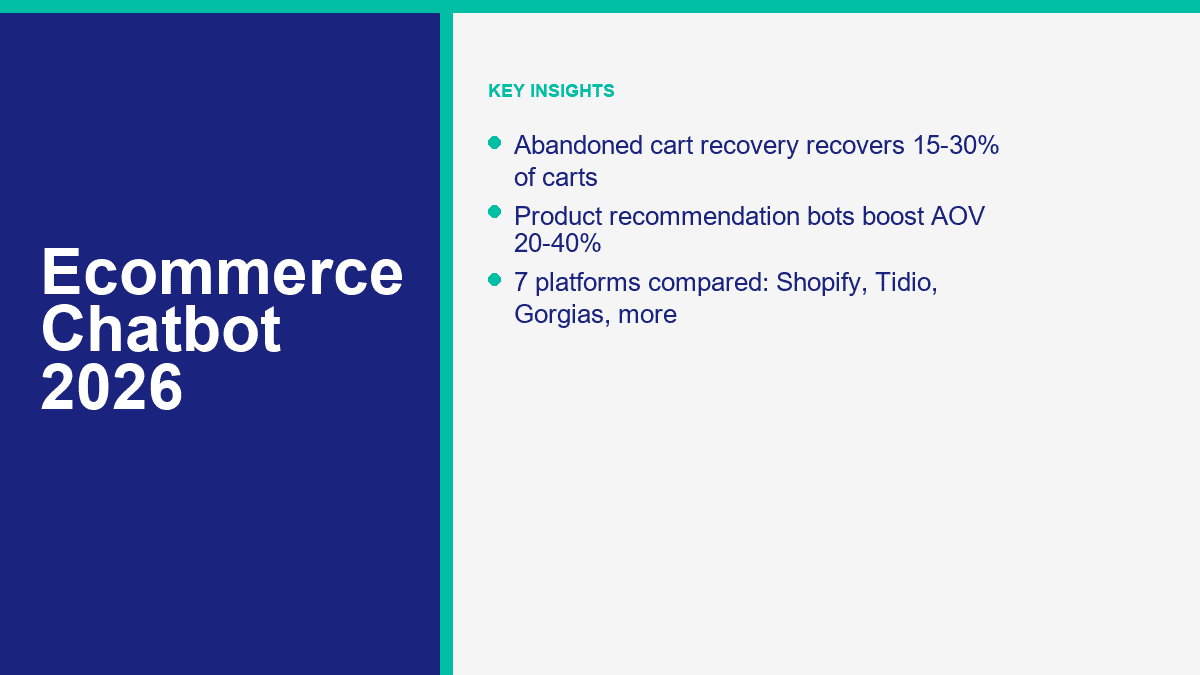
اعتبارًا من 10 أبريل 2026، تشير صفحات المنتجات العامة والمستندات المساعدة من Baymard وShopify وTidio وGorgias وManyChat وChatfuel وMessengerBot جميعها إلى نفس الاستنتاج: المتاجر التي تفوز بالتشغيل الآلي لا تحاول استبدال عمليات التجارة الإلكترونية بمساعد AI عملاق واحد. إنهم يقومون بأتمتة اللحظات ذات الحجم الكبير التي توجد بالفعل في القمع.
إذا كان متجرك يعمل على Shopify أو WooCommerce أو BigCommerce، فإن ذلك مهم لأنه يمنحك الآن ثلاث فرص عملية لزيادة الإيرادات دون شراء المزيد من الحركة: استعادة شريحة من السلال المهجورة، وزيادة متوسط قيمة الطلب من خلال التوصيات الموجهة، وتقليل الاحتكاك في الدعم حتى يكمل المزيد من المتسوقين عملية الدفع. عندما يتحدث أصحاب المتاجر عن زيادة 30% من التشغيل الآلي، عادة ما يكون هذا هو مصدر الحساب.
لماذا أصبحت روبوتات الدردشة الخاصة بالتجارة الإلكترونية تستحق الميزانية أخيرًا في عام 2026
تقرير بايمارد الأخير لا يزال يضع متوسط التخلي عن السلة عند حوالي 70.22%. هذا الرقم وحده يفسر لماذا يستمر برنامج الدردشة الآلية في الحصول على موافقة الميزانية. لا تحتاج إلى روبوت لابتكار الطلب. تحتاجه لوقف فقدان الطلب الذي دفعت ثمنه بالفعل.
إليك الطريقة الأكثر فائدة للتفكير في الأمر. يصبح برنامج الدردشة الآلية مربحًا عندما يحسن أحد الأرقام الأربعة: الطلبات المكتملة، متوسط قيمة الطلب، تكلفة الدعم لكل محادثة، أو معدل الشراء المتكرر. إذا لم يحرك أحد هذه الأرقام، فهو مجرد زينة.
| حالة الاستخدام | ما الذي يغيره | نطاق التخطيط | لماذا هذا مهم |
|---|---|---|---|
| استعادة السلة المهجورة | يستعيد عمليات الدفع المفقودة | 15% إلى 30% من السلال المهجورة القابلة للوصول | أنت تستثمر في حركة المرور التي اشتريتها بالفعل |
| تدفقات توصية المنتج | زيادة قيمة الطلب المساعد | رفع AOV من 20% إلى 40% على الطلبات المدعومة بالدردشة الآلية | سلال أكبر تزيد الإيرادات دون المزيد من الجلسات |
| أتمتة تتبع الطلبات | تجنب تذاكر “أين طلبي؟” | أتمتة من 40% إلى 70% على الأسئلة المتكررة بعد الشراء | فريقك يقضي وقتًا أقل في نسخ روابط التتبع |
| تدفقات الخدمة بعد الشراء | تسريع عمليات الإرجاع، والتبادلات، وتغيير العناوين | تقليل وقت التعامل واستجابة أولى أسرع | الدعم يتوقف عن كونه عبئًا على الهامش والشراء المتكرر |
تحتاج السطر الثاني إلى توضيح واحد لأن الكثير من المقالات تخلط بين الأرقام. عندما يقول الناس إن روبوتات التوصية يمكن أن تزيد من متوسط قيمة الطلب (AOV) من 20% إلى 40%، فإنهم يتحدثون عادة عن الطلبات التي تأثرت بتدفقات التوصية, وليس متوسط متجرك بالكامل بين عشية وضحاها. لا يزال هذا نتيجة قوية. إذا كان روبوتك يجمع الملحقات بشكل موثوق، أو يدفع المتسوقين لتجاوز حد الشحن المجاني، أو يساعدهم في اختيار المنتج الأكثر ملاءمة بدلاً من ترك الصفحة، فإن الزيادة حقيقية.
الشيء الآخر الذي تتجاهله معظم الأدلة هو: لا توجد فئة جدية من روبوتات الدردشة للتجارة الإلكترونية حيث تكون “عدم الحاجة للتسجيل” هي الميزة الحاسمة. تحتاج الروبوتات الإنتاجية إلى الوصول إلى الكتالوج، وهوية العميل، وبيانات الطلب، وأذونات القناة. الخيارات المجانية التي تهم هي تلك التي تتيح لك اختبار سير العمل المباشر دون تسعير مؤسسي. في هذا السوق، يعني ذلك عادةً Shopify Inbox للدردشة الأصلية في Shopify، وخطة الدخول المجانية من Tidio، والطبقة المجانية من ManyChat. كل شيء آخر هو تجربة، أو خطة مدفوعة، أو إعداد يقوده المبيعات.
السؤال العملي ليس ما إذا كانت روبوتات الدردشة تعمل. بل هو ما إذا كان متجرك لديه حجم سلة كافٍ، أو تعقيد منتج كافٍ، أو دعم متكرر كافٍ لتبرير أتمتة المحادثة. بالنسبة لمعظم المتاجر الراسخة، فإن الإجابة هي نعم قبل أن يدركوا ذلك بفترة طويلة.
7 منصات روبوتات الدردشة للتجارة الإلكترونية التي تستحق الاختبار قبل الالتزام بها
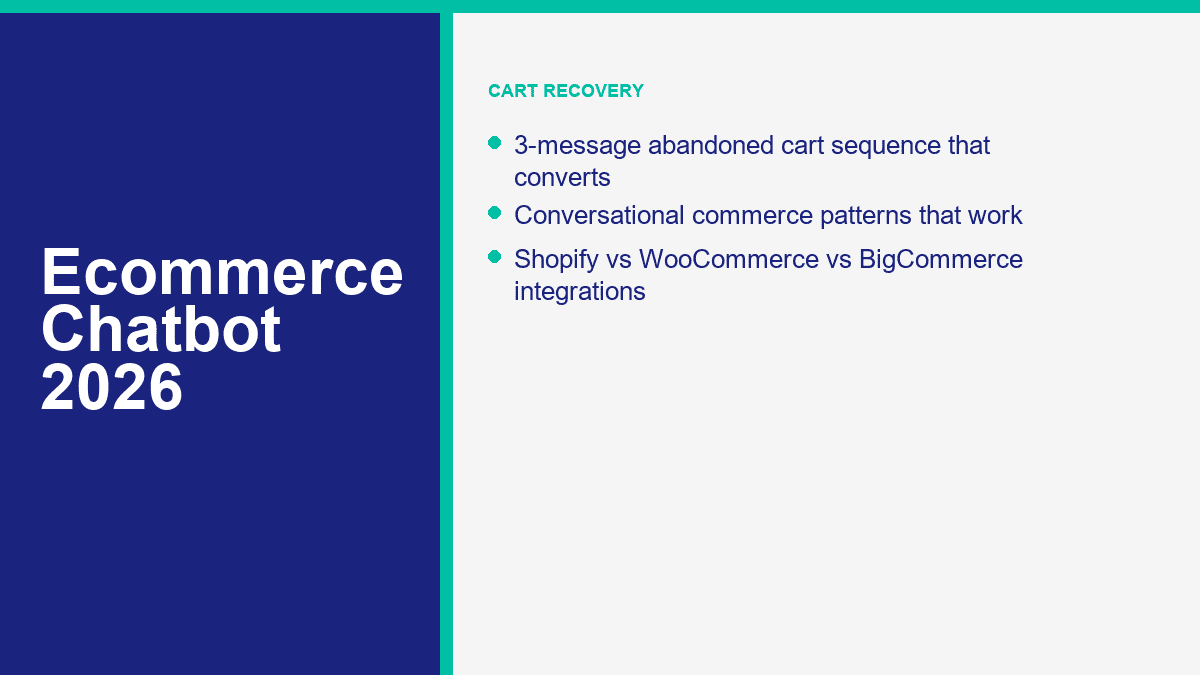
تم التحقق من تفاصيل التسعير والخطط أدناه مقابل صفحات المنتجات العامة في 10 أبريل 2026. لا أقوم بتصنيف هذه كأدوات ذكاء اصطناعي مجردة. أقوم بتصنيفها لوظائف التجارة الإلكترونية: استرداد السلة، اكتشاف المنتجات، تتبع الطلبات، تقليل الدعم، والبيع عبر القنوات.
| المنصة | سعر البداية | أفضل توافق للمنصة | ما تفعله بشكل أفضل | المقايضة الرئيسية |
|---|---|---|---|---|
| تطبيق MessengerBot | بريميوم $19.99 لكل 30 يومًا | أفضل للمتاجر التي تعتمد على Messenger أولاً؛ الصفحة العامة تعلن بوضوح عن مزامنة WooCommerce | أتمتة Messenger، دردشة الموقع، أدوات السلة المهجورة، تسعير خطة ثابتة | أقل ملاءمة للتجارة الإلكترونية من Tidio أو Gorgias لفرق الدعم التي تعتمد على الموقع أولاً |
| صندوق شوبفاي | Free | Shopify فقط | دردشة Shopify الأصلية، روابط المنتجات، الخصومات، الأسئلة الشائعة، تحديثات الطلبات | لا يوجد مسار لـ WooCommerce أو BigCommerce، وعمق الأتمتة أخف |
| Tidio | مجاني؛ خطة البداية $24.17 شهريًا؛ Lyro AI من $32.50 | قوي على Shopify و WooCommerce و BigCommerce | دردشة الموقع، دعم الذكاء الاصطناعي، توصيات المنتجات، تدفقات استرداد السلة | تحتاج إلى مراقبة تكديس الخطط مع زيادة الدعم واستخدام الذكاء الاصطناعي |
| Gorgias | خطة البداية $10 شهريًا؛ خطة أساسية $50 سنويًا أو $60 شهريًا؛ وكيل الذكاء الاصطناعي إضافي | الأفضل لمستخدمي Shopify المتزايدين؛ قوي أيضًا على WooCommerce و BigCommerce | دعم ما بعد الشراء، تعديل الطلبات، مساعد تسوق الذكاء الاصطناعي، نسبة الإيرادات | إنه برنامج مدعوم بالدعم أولاً، وليس أرخص بوت للبداية |
| العديد من الدردشة | مجاني؛ أساسي $17 شهريًا؛ برو $39 شهريًا | أفضل عندما يتم دمج Shopify مع Messenger أو Instagram أو SMS أو WhatsApp | قنوات DM الاجتماعية، تذكيرات سلة التسوق المهجورة، رسائل كتالوج المنتجات | ليس مكتب مساعدة للتجارة الإلكترونية كامل والأسعار تنمو مع جهات الاتصال النشطة |
| شات فيول | الأعمال من $23.99 شهريًا بالإضافة إلى الرسوم الزائدة | أفضل لـ Shopify بالإضافة إلى البيع عبر WhatsApp أو Instagram | استرداد السلة أولاً عبر WhatsApp، ردود الدعم، توصيات المنتجات | أسعار قائمة على المحادثة وعمق مكتب المساعدة على الويب أضعف |
| Drift | أسعار مخصصة | أفضل لمواقع التجارة الإلكترونية ذات التذاكر العالية أو B2B | تأهيل ما قبل البيع، حجز الاجتماعات، توجيه فريق الإيرادات | عادةً ما يكون الخيار الخاطئ لتتبع الطلبات الروتينية ودعم DTC |
MessengerBot.app يناسب المتاجر التي تبيع فعلاً عبر Messenger
يكون MessengerBot الأكثر منطقية عندما لا يكون Facebook Messenger مجرد فكرة لاحقة، بل قناة حقيقية للمبيعات والدعم. صفحته العامة للأسعار مباشرة بشكل غير عادي حول ما يهتم به مالكو التجارة الإلكترونية: أدوات استرداد العربات المهجورة، دردشة الموقع، تكاملات الدفع، JSON API بالإضافة إلى Zapier، ومزامنة بنقرة واحدة مع WooCommerce. لهذا السبب سأضعه بالقرب من القمة لعلامات WooCommerce التجارية والمتاجر التي تعتمد على الخدمات والتي تعيش بالفعل في محادثات صفحة Facebook. إذا كنت تريد تحليلًا نظيفًا حول كيفية تقسيم مستويات الخطط،, عرض تسعير MessengerBot.
Shopify Inbox هو أفضل نقطة انطلاق مجانية لـ Shopify
بالنسبة للتجار الذين يريدون أداة Shopify أصلية قبل شراء أي شيء آخر، لا يزال Shopify Inbox هو التثبيت الأول الواضح. إنه مجاني، يتيح لك إرسال روابط المنتجات وأكواد الخصم في الدردشة، يدعم الأسئلة الشائعة والإجابات الفورية، ويشمل سير عمل تحديث الطلبات مثل “تتبع طلبي.” العائق واضح تمامًا: إنه حل خاص بـ Shopify فقط، ولن يمنحك الأتمتة العميقة عبر القنوات التي تريدها المتاجر الكبيرة في النهاية.
Tidio هو الخيار الأقوى للدردشة على الموقع بالإضافة إلى أتمتة التجارة الإلكترونية
لقد أصبحت Tidio واحدة من أسهل التوصيات لأنها تعمل عبر Shopify و WooCommerce و BigCommerce دون التظاهر بأن كل متجر يريد نفس الشيء. تركز صفحات Shopify الخاصة بها على إدارة الطلبات، ومعاينات السلة، والمبالغ المستردة، وتحرير عناوين الشحن. تسحب تكاملها مع WooCommerce بطاقات المنتجات إلى الدردشة. يركز تكاملها مع BigCommerce على استرداد السلة، واقتراحات المنتجات، وأتمتة الدعم. إذا كانت واجهتك الرئيسية هي موقعك الإلكتروني بدلاً من Messenger أو Instagram، فإن Tidio عادةً ما تكون الخيار الأكثر توازنًا في هذه القائمة.
تتفوق Gorgias عندما تحتاج الدعم والإيرادات إلى مشاركة نظام واحد
Gorgias هو ما يشتريه مشغلو التجارة الإلكترونية عندما يتعبون من التنقل بين واجهة المتجر، ولوحة الشحن، ومكتب المساعدة طوال اليوم. تميل صفحات Shopify و WooCommerce و BigCommerce الخاصة بها جميعًا إلى نفس القيمة: سياق الطلب داخل التذكرة، المزامنة في الوقت الحقيقي، التعامل مع الذكاء الاصطناعي للدعم المتكرر، وتتبع الإيرادات من المحادثات. وهذا يجعلها واحدة من الأدوات القليلة المجاورة للدردشة التي يمكن أن تبرر بصدق سعرًا أعلى مع توفيرات في سير العمل.
لا تزال ManyChat تمتلك بيع الرسائل الاجتماعية بشكل أفضل من معظم مجموعات الدعم
ManyChat is not the best website-support chatbot here. It is the best social-conversation seller for brands running Instagram, Messenger, SMS, and WhatsApp campaigns that tie directly into Shopify activity. The product is excellent for cart reminders, click-to-message ads, product catalog nudges, and subscriber capture. If your bigger problem is acquiring and nurturing leads before checkout rather than handling complex support after purchase, read our lead generation chatbot guide بعد هذه.
Chatfuel Is a Practical WhatsApp-First Ecommerce Option
Chatfuel deserves more attention from ecommerce teams running WhatsApp. Its Shopify integration page is unusually blunt about the outcomes it is chasing: abandoned cart recovery, personalized notifications, shipping updates, live chat, and product recommendations in a back-and-forth conversation. If WhatsApp is already a meaningful customer channel, Chatfuel can be a simpler revenue play than buying a bigger support suite too early.
Drift Is Best for High-Intent Buying Journeys, Not Routine Order Questions
Drift still belongs in the comparison because some ecommerce businesses are really selling consultations, demos, custom quotes, or higher-ticket products where the chat job is qualification, not support. That is where Drift is strong. If your customers mostly ask about sizing, shipping, returns, or order status, it is too sales-shaped for the average direct-to-consumer store.
If you want the shortest buying advice possible, use this rule. Choose Shopify Inbox for a free native Shopify baseline. Choose Tidio when your website is the main selling surface. Choose Gorgias when support complexity is already real. Choose MessengerBot when Messenger is the core channel. Choose ManyChat or Chatfuel when DM selling is the growth engine. Choose Drift only when the bot is really part of a sales team.
The 3-Message Abandoned Cart Sequence That Brings Back Shoppers Without Feeling Pushy
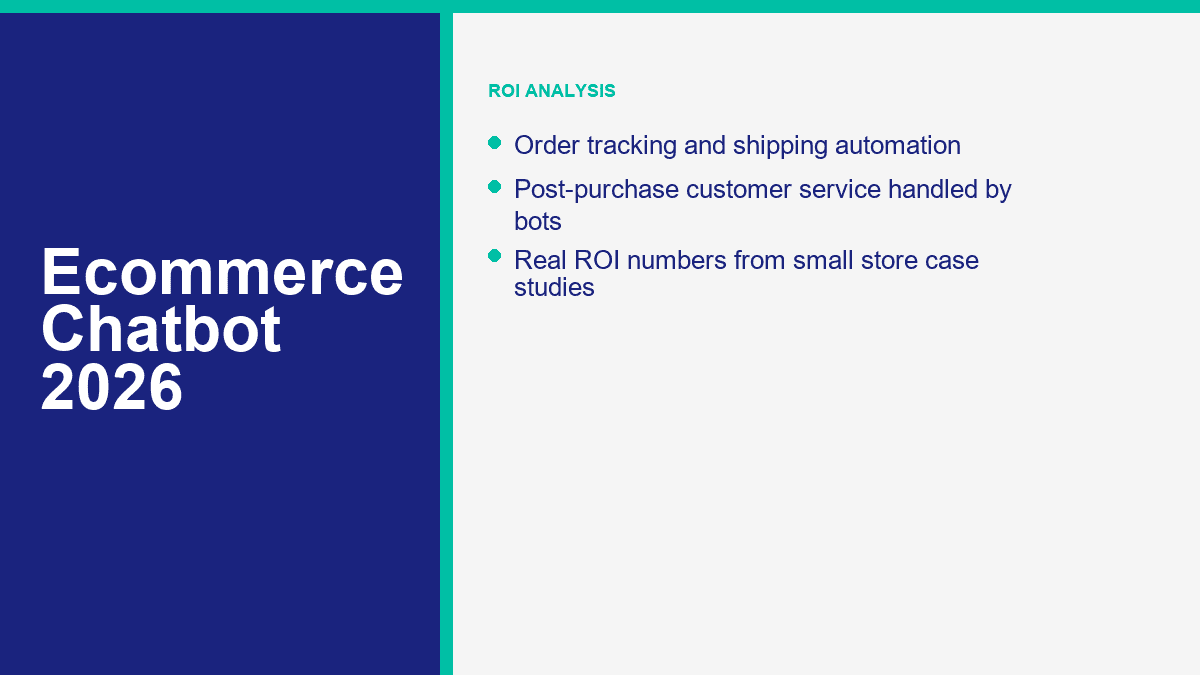
The highest-return ecommerce chatbot flow is still abandoned cart recovery, but most stores get it wrong by firing one generic reminder and calling it automation. The better approach is a short sequence tied to intent, friction, and timing.
This is the framework I would start with for Shopify, WooCommerce, and BigCommerce stores that have consent, channel permission, and an identifiable shopper:
- Message 1 at 1 hour: remind, do not discount. Show the product image, price, and a single button back to checkout. This catches distraction, not resistance.
- Message 2 at 24 hours: reduce hesitation. Answer the most likely objection with shipping clarity, social proof, or product-fit help. Only use an offer if margin allows it.
- Message 3 at 72 hours: create a final decision point. Add urgency, a small incentive, or a support handoff so the shopper can finish or ask a question.
That sequence works because it mirrors the real reasons people abandon. At one hour, many shoppers were interrupted. At twenty-four hours, they are comparing alternatives or thinking about total cost. At seventy-two hours, they are either gone or waiting for a reason to act.
| التوقيت | الهدف | What to include | ما يجب تجنبه |
|---|---|---|---|
| 1 hour | Recover distracted shoppers | Product image, checkout link, short reminder | Discounting too early |
| 24 hours | Handle objections | Shipping clarity, review snippet, product-fit help | Walls of copy |
| 72 hours | Force a decision | Time-bound incentive, low-stock note, human help | Another generic “you forgot something” message |
Here is what that looks like in plain English:
The First Message Should Feel Helpful, Not Desperate
A good first message sounds like a quiet nudge: “You left this in your cart. Want to pick up where you stopped?” That is enough. If you teach customers that a coupon always lands in the first follow-up, you train them to abandon on purpose.
The Second Message Should Answer the Thing That Blocks Checkout
This is where the chatbot earns its keep. For apparel, the blocker might be sizing. For beauty, it might be product fit. For home goods, it might be shipping cost or delivery timing. The best second reminder does not shout harder. It resolves the friction that made the shopper pause.
The Third Message Should Either Close the Sale or Open a Human Conversation
If the shopper still has not bought after three days, stop pretending one more reminder will magically do it. Give them a clear final reason to act or a direct path to ask a question. Stores often recover 15% to 30% of reachable abandoned carts when this sequence is live, but only if the messages are tied to real checkout friction and sent through a channel the shopper actually checks.
A quick checklist before you launch the flow:
- Use product images and direct checkout links in every reminder.
- Segment by cart value so you do not hand out the same discount to everyone.
- Suppress buyers instantly once the order completes.
- Test one offer variable at a time: free shipping, 10% off, or urgency copy.
- Track recovered revenue, not just clicks.
How Product Recommendation Bots Turn Browsers Into Bigger Baskets
Most stores say they have product recommendations when what they really have is a generic “You may also like” widget showing the same products to everybody. A recommendation chatbot is different because it can ask, compare, explain, and narrow the catalog in real time.
That matters most when your shopper is thinking one of these thoughts: “Which one fits me?”, “What goes with this?”, “What do I buy if the thing I wanted is out of stock?”, or “How much more do I need for free shipping?” Those are conversation problems, not just merchandising problems.
The integration side is straightforward now. Shopify-native tools can pull products, cart contents, and order context directly. WooCommerce bots usually connect through a plugin, API, or one-click sync. BigCommerce bots lean heavily on open integrations and order data access. The stronger the product data, the better the bot gets at upselling without sounding random.
| Recommendation pattern | Where it works best | Why it lifts AOV |
|---|---|---|
| Guided product finder | Homepage, category pages, landing pages | Shortens time to the right product and reduces drop-off |
| Bundle completion | Product page and cart | Adds natural accessories instead of forcing unrelated upsells |
| Alternative recommendation | Out-of-stock or low-stock moments | Saves the order instead of losing the shopper |
| Free-shipping threshold nudge | Cart and checkout | Pushes shoppers to add one more item profitably |
| Post-purchase cross-sell | Order confirmation and follow-up chat | Monetizes the highest-intent moment after trust is established |
The stores that get the best AOV lift do not ask the bot to “sell more.” They give it a concrete job. Here is a better way to set it up:
- Ask two or three qualification questions before recommending anything.
- Show no more than three products at once.
- Explain why each product was suggested.
- Use accessories, refills, and bundles that actually belong together.
- Keep free-shipping thresholds visible during the conversation.
That is how recommendation bots produce the 20% to 40% AOV lifts store owners like to talk about. Not by flooding the shopper with inventory, but by acting more like a competent in-store associate. On many stores, the lift shows up most clearly in assisted orders, not across every transaction. That is still an excellent result because it compounds on traffic you already have.
The other quiet benefit is zero-party data. When the bot asks whether the shopper wants dry-skin skincare, wide-fit shoes, vegan protein, or a gift under $50, it is not just helping the current order. It is learning how to sell the next one better.
Why Order Tracking Bots Pay for Themselves Faster Than Almost Any Other Flow
If your support inbox is full of “Where is my order?” messages, you do not have a customer-service quality problem. You have a self-service gap. Order tracking is the most obvious chatbot use case in ecommerce because customers want the answer immediately, the data already exists, and human empathy is usually not required.
Shopify Inbox includes a native “Track my order” instant answer. Tidio positions order-status, shipping, and return questions as one of its main ecommerce automation jobs. Gorgias goes further by letting support teams pull order context and handle edits inside the help desk. Chatfuel pushes the same workflow into WhatsApp, which is useful for customers who would rather follow delivery updates there than by email.
Here is the simple math. Suppose your store handles 900 post-purchase tickets a month، و 55% of them are order-status requests. That is 495 tickets that mostly ask for the same answer. If your blended cost to handle a chat or email ticket is $4, that slice of the queue costs about $1,980 a month.
Now automate 60% of those order-status tickets. You have just removed 297 manual touches, or about $1,188 in monthly handling cost, before you count faster response times or the fact that your team can now focus on refunds, exchanges, and pre-sale questions that actually need a person.
That is why order tracking is usually the first support automation I would ship after cart recovery. It is easy for customers to understand, easy for staff to measure, and hard to argue against once the ticket queue gets quieter. If support cost is the bigger pain point in your business, read our customer service chatbot guide next, because that is where the operational savings get even clearer.
Post-Purchase Automation Is Where Good Stores Protect Margin
A lot of ecommerce brands still think of chatbots as pre-sale widgets. That is too narrow. Post-purchase automation is where you protect margin, customer trust, and repeat-purchase behavior all at once.
The smartest post-purchase flows usually handle five jobs:
- Order tracking and delivery updates
- Address changes before fulfillment locks
- Return and exchange routing
- Proactive delay communication
- Replenishment or complementary product follow-up
That first group lowers cost. The second group prevents avoidable mistakes. The last one creates revenue. Put together, they are why post-purchase automation matters more than a clever homepage chatbot greeting.
There is also a customer-experience reason to prioritize this stage. Buyers are most emotionally exposed right after they pay. If shipping slips, the package goes missing, or the wrong item arrives, silence feels expensive. A chatbot that can immediately confirm status, collect the missing detail, or escalate with the full order context does not just save agent time. It stops uncertainty from turning into distrust.
For subscription, refill, and repeat-purchase businesses, post-purchase automation also doubles as retention. A bot can remind a customer when it is time to reorder, offer a complementary product based on the last basket, or direct VIP buyers into a faster support lane. Those are not “support” conversations in the narrow sense. They are revenue preservation conversations.
Real Ecommerce Chatbot ROI Numbers: What a 30% Revenue Lift Actually Looks Like
The title number only makes sense if you understand what is being stacked together. Stores do not usually get a 30% lift from a single FAQ bot sitting on the homepage. They get it from multiple small gains working at once: recovered carts, higher assisted AOV, better pre-sale conversion, and lower post-purchase support drag.
Here is a realistic planning example for a mid-sized store:
| Baseline | Monthly result |
|---|---|
| Completed orders | 500 |
| Average order value | $70 |
| Current monthly revenue | $35,000 |
Now layer in chatbot-driven improvements:
| Automation gain | Assumption | Monthly impact |
|---|---|---|
| استعادة السلة المهجورة | 347 reachable abandoned carts, 23% recovered, $70 AOV | $5,600 |
| Recommendation bot lift | 150 assisted orders, 30% AOV lift | $3,150 |
| Post-purchase repeat purchase lift | 25 extra repeat orders at $72 AOV | $1,800 |
| Support savings | 300 repetitive tickets automated at $4 each | $1,200 |
| Total monthly gain | Revenue plus cost impact | $11,750 |
Against a $35,000 monthly revenue baseline, that is a combined lift of roughly 33.6%. Even if you haircut the model aggressively, you are still in the zone where a bot stack can justify itself quickly.
Here is a second example for a support-heavy store that already converts well but drowns in post-purchase tickets:
- 1,200 monthly support conversations
- 65% repetitive questions about tracking, shipping, returns, and policy
- $4.50 average handling cost per conversation
- 60% automation rate on repetitive volume
The repetitive slice of that queue is 780 tickets. At $4.50 each, that is $3,510 in monthly handling cost. Automating 60% of it saves about $2,106 a month. If the store also recovers just 40 abandoned orders في $82 AOV, that adds another $3,280 in revenue. Suddenly the same chatbot is contributing over $5,000 in monthly value before you count faster response time or better customer retention.
This is also where platform choice matters. A Shopify store with simple workflows can do a lot with Shopify Inbox plus one additional sales bot. A WooCommerce brand that relies on Messenger can justify MessengerBot quickly because the setup is direct and the pricing is easy to understand. A support-heavy BigCommerce store may get more net value from Tidio or Gorgias because the order context and help-desk workflows are deeper.
The honest version of ROI is not hard. Use this formula:
Monthly chatbot ROI =
+(Recovered revenue from abandoned carts)
+(Incremental revenue from assisted recommendations)
+(Incremental revenue from repeat purchases or retained buyers)
+(Support cost avoided)
- (Software cost + message fees + setup time)
If you run that math using your own order count, AOV, cart volume, and ticket volume, the answer becomes obvious fast. The stores that struggle to prove ROI usually are not tracking the right events, not using the catalog well, or not separating chatbot-assisted revenue from general store revenue.
What Most Ecommerce Stores Should Do Next
Start with one revenue job, not ten. If your store is leaking checkouts, build abandoned cart recovery first. If shoppers ask product-fit questions all day, launch a recommendation flow. If your inbox is buried in delivery questions, automate order tracking before anything else. For Messenger-first stores that want flat pricing and strong Facebook workflow depth, compare ميزات MessengerBot Pro مع عرض تسعير MessengerBot and launch the narrowest workflow that solves a real bottleneck. That is the fastest path to measurable ROI.
الأسئلة الشائعة
كم الإيرادات التي يمكن أن يولدها روبوت الدردشة للتجارة الإلكترونية؟
It depends on your traffic, order value, and how many repetitive conversations you automate, but the numbers can move quickly. A store doing $35,000 a month can realistically add $5,000 to $10,000 in monthly value by combining cart recovery, recommendation-assisted AOV lift, and post-purchase automation. The biggest mistake is expecting one generic website bot to do all of that by itself. Revenue gains usually come from stacking several focused flows.
ما هو أفضل روبوت دردشة لمتاجر شوبيفاي؟
If you want a free native starting point, Shopify Inbox is the easiest first install. If you need broader ecommerce automation on your website, Tidio is usually the strongest all-around option. If post-purchase support and order operations are already complex, Gorgias is stronger. If Facebook Messenger or social DMs drive a large share of sales, ManyChat, Chatfuel, or MessengerBot can be the better fit depending on your channel mix.
هل يمكن للدردشة الآلية استعادة العربات المهجورة حقًا؟
Yes, when the shopper is reachable and the sequence is built well. Strong abandoned-cart chatbot flows regularly recover 15% to 30% of reachable abandoned carts by sending a reminder at one hour, handling objections at twenty-four hours, and creating a final decision point at seventy-two hours. Recovery rates drop fast when the messages are generic or sent through a channel the shopper does not use.
كيف يمكنني ربط روبوت الدردشة بمتجر WooCommerce الخاص بي؟
The cleanest route is to choose a tool with a WooCommerce plugin, one-click sync, or official integration path. MessengerBot publicly advertises one-click WooCommerce sync, Tidio has an official WooCommerce integration for product sharing, and Gorgias offers WooCommerce order and customer sync inside the help desk. In practice, setup usually means installing the plugin, authorizing store access, syncing your catalog, and testing one live workflow such as cart recovery or order tracking.
هل يثق العملاء في الروبوتات للدردشة عند التسوق؟
They trust useful chatbots far more than gimmicky ones. Customers are generally happy to use a bot for product discovery, order tracking, shipping updates, store policy questions, and simple recommendations. Trust falls apart when the bot hides the human option, gives vague answers, or pushes discounts without understanding the shopper’s question. The best ecommerce bots feel like fast assistance, not a barrier.



 العربية
  English
  Tagalog
  简体中文
简体中文  हिन्दी
  Português do Brasil
  Español de México
  Français
  বাংলা
বাংলা  香港中文
香港中文  繁體中文
繁體中文  Nederlands
  Deutsch
  Bahasa Indonesia
  日本語
日本語  한국어
한국어  Polski
  Русский
  Español
  Tiếng Việt