

Key Takeaways
- Transformative Technology: Artificial intelligence chat is reshaping user interactions, making communication more efficient and engaging.
- Natural Language Processing: Advanced NLP enables AI chats to understand context and provide relevant responses, enhancing user experience.
- Best Free Options: Top free AI chat platforms like ChatGPT and Google Bard offer powerful features for customer engagement and support.
- Realistic Interactions: Apps like Replika and ChatGPT provide human-like conversations, making them ideal for companionship and support.
- Types of AI: Understanding the four types of AI—Reactive Machines, Limited Memory, Theory of Mind, and Self-Aware AI—can help businesses choose the right chatbot solutions.
In today’s digital landscape, artificial chat has emerged as a transformative force, reshaping how we interact with technology. This article delves into the fascinating world of artificial intelligence chat, exploring its evolution, risks, and the best free options available. We will begin by defining what AI chat is and tracing the development of chatbots in artificial intelligence. As we navigate through the potential dangers, including privacy concerns associated with artificial intelligence chatbots, we will also highlight the most realistic AI chat applications and user experiences with ChatGPT. Furthermore, we will clarify the distinction between chatbots and real human interaction, while providing an overview of the four types of AI that power these technologies. Join us as we uncover the future of artificial intelligence chat and its profound impact on our daily lives.
Understanding artificial intelligence chat
AI chat refers to conversational agents powered by artificial intelligence that can engage in dialogue with users through text or voice. These systems utilize natural language processing (NLP) and machine learning algorithms to understand and respond to user inquiries in a human-like manner.
Key features of AI chat include:
- Natural Language Understanding (NLU): AI chat systems analyze user input to comprehend intent and context, allowing for more accurate responses. Recent advancements in NLU have significantly improved the effectiveness of these interactions.
- Contextual Awareness: Modern AI chat applications maintain context over multiple exchanges, enabling them to provide relevant follow-up responses. This capability enhances user experience and satisfaction.
- Integration with Platforms: AI chat can be integrated into various platforms, including websites, mobile apps, and messaging services like Facebook Messenger. This versatility allows businesses to offer customer support and engagement across multiple channels.
- Personalization: By leveraging user data, AI chat can tailor conversations to individual preferences, improving engagement and retention rates. Personalization strategies are increasingly important in enhancing user experience.
- Continuous Learning: AI chat systems improve over time through machine learning, adapting to new information and user interactions. This ongoing learning process ensures that the chat remains relevant and effective.
In summary, AI chat represents a significant advancement in human-computer interaction, utilizing sophisticated technologies to provide efficient, personalized, and context-aware communication. For further reading, refer to sources such as Brain Pod AI’s Multilingual AI Chat Assistant.
The evolution of chatbots in artificial intelligence
The evolution of chatbots in artificial intelligence has been marked by significant milestones that have transformed how businesses and users interact. Initially, chatbots were simple rule-based systems that could only respond to predefined commands. However, advancements in AI technology have led to the development of more sophisticated chatbots that leverage machine learning and NLP.
Today, chatbots artificial intelligence can handle complex queries, engage in meaningful conversations, and provide personalized experiences. For instance, the introduction of Messenger Bot has revolutionized digital communication by automating responses and streamlining user interactions across various platforms.
Moreover, the rise of AI chat gpt models has further enhanced the capabilities of chatbots, allowing them to generate human-like responses and maintain context throughout conversations. This evolution not only improves user satisfaction but also enables businesses to optimize their customer service strategies effectively.
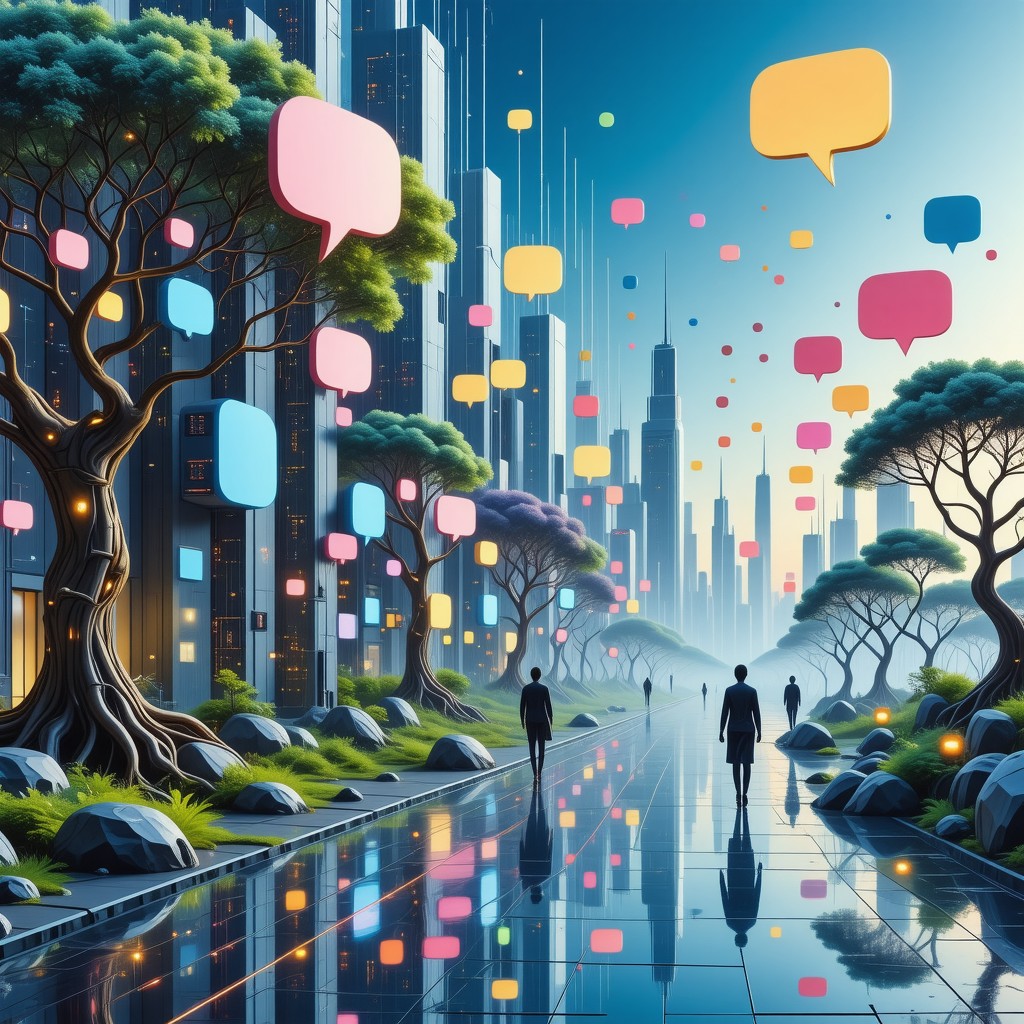
Understanding Artificial Intelligence Chat
Artificial intelligence chat refers to the technology that enables machines to engage in conversations with users, mimicking human-like interactions. This technology has evolved significantly, allowing for more natural and intuitive exchanges. AI chats leverage algorithms and machine learning to understand context, respond appropriately, and even learn from previous interactions. This advancement has made artificial intelligence chat a vital tool for businesses looking to enhance customer engagement and streamline communication processes.
The rise of chatbots in artificial intelligence has transformed how we interact with technology. From customer service to personal assistants, these chatbots artificial intelligence are designed to handle a variety of tasks, providing users with instant responses and support. The integration of AI chat into platforms like Messenger Bot allows for automated responses, workflow automation, and lead generation, making it an essential component of modern digital communication. For a deeper dive into how these systems work, check out our guide on transforming chats with messenger bots.
The Evolution of Chatbots in Artificial Intelligence
The evolution of chatbots in artificial intelligence has been marked by significant milestones. Initially, chatbots were simple rule-based systems that could only respond to specific commands. However, with advancements in natural language processing (NLP) and machine learning, chatbots have become increasingly sophisticated. Today, chat artificial intelligence systems can understand context, sentiment, and even nuances in human language.
One notable development is the introduction of AI chat gpt models, which utilize deep learning techniques to generate human-like text. These models, such as Brain Pod AI’s chat assistant, are capable of engaging in complex conversations, making them ideal for customer service applications. As businesses continue to adopt these technologies, the demand for effective and user-friendly artificial intelligence chat solutions will only grow. For more insights into the capabilities of AI chatbots, explore our guide on creating an AI chatbot.
What’s the Best AI Chat for Free?
When considering the best free AI chat options available in 2025, several platforms stand out due to their features, user experience, and versatility. Here’s a comprehensive overview of the top free AI chatbots:
- ChatGPT by OpenAI
- Overview: Known for its conversational abilities, ChatGPT utilizes advanced natural language processing to engage users effectively.
- Features: Offers contextual understanding, can generate creative content, and is suitable for various applications from customer service to personal assistance.
- Google Bard
- Overview: Google Bard leverages Google’s extensive data and AI technology to provide accurate and relevant responses.
- Features: Integrates with Google services, supports multiple languages, and excels in providing factual information.
- Microsoft Azure Bot Service
- Overview: This service allows users to create intelligent bots that can interact with users across various platforms.
- Features: Supports integration with Microsoft products and offers robust analytics for performance tracking.
- Tidio
- Overview: Tidio combines live chat and chatbot functionalities, making it ideal for small businesses.
- Features: User-friendly interface, customizable templates, and integration with e-commerce platforms.
- ManyChat
- Overview: Primarily focused on marketing, ManyChat allows businesses to automate conversations on platforms like Facebook Messenger.
- Features: Drag-and-drop interface, integration with various marketing tools, and analytics for tracking engagement.
- Chatfuel
- Overview: A popular choice for creating Facebook Messenger bots without coding.
- Features: Easy setup, customizable responses, and integration with various APIs.
- Zoho SalesIQ
- Overview: This platform offers live chat and AI chatbot capabilities, focusing on enhancing customer interactions.
- Features: Real-time visitor tracking, lead scoring, and integration with Zoho CRM.
- Drift
- Overview: Drift focuses on conversational marketing, helping businesses engage visitors in real-time.
- Features: AI-driven chatbots, scheduling capabilities, and integration with CRM systems.
- Landbot
- Overview: Landbot allows users to create interactive chatbots for websites without coding.
- Features: Visual builder, customizable workflows, and integration with various tools.
- Messenger Bot
- Overview: While not as widely recognized, Messenger Bot offers a straightforward way to create bots for Facebook Messenger.
- Features: Simple setup, automated responses, and integration with Facebook’s ecosystem.
In summary, the best free AI chat options in 2025 cater to various needs, from customer service to marketing automation. Each platform offers unique features that can enhance user engagement and streamline communication. For more detailed information, refer to the respective official documentation and case studies.
Comparing the Best Artificial Intelligence Chatbot
When evaluating the best artificial intelligence chatbots, it’s essential to consider several factors, including functionality, ease of use, and integration capabilities. Here’s a comparison of some leading options:
- ChatGPT by OpenAI: Renowned for its conversational depth and versatility, making it suitable for diverse applications.
- Google Bard: Excels in factual accuracy and integrates seamlessly with Google services, enhancing user experience.
- Microsoft Azure Bot Service: Offers robust analytics and integration with Microsoft products, ideal for businesses already using their ecosystem.
- Tidio: Combines live chat with chatbot functionalities, making it user-friendly for small businesses.
- ManyChat: Focuses on marketing automation, providing tools for effective engagement on social media platforms.
Each of these platforms has unique strengths, and the best choice will depend on your specific needs, whether for customer service, marketing, or general engagement. Explore these options to find the right fit for your business.
What is the Most Realistic AI Chat App?
When considering the most realistic AI chat app, several factors come into play, including natural language processing capabilities, user experience, and the breadth of functionalities. Here are some of the top contenders for 2025:
- Replika: This AI companion app is designed to engage users in meaningful conversations. It utilizes advanced machine learning algorithms to adapt to user preferences and emotional states, making interactions feel more personal. Replika has been praised for its ability to provide emotional support and companionship, which is backed by studies highlighting the psychological benefits of AI interactions.
- ChatGPT by OpenAI: Known for its conversational abilities, ChatGPT leverages deep learning to generate human-like responses. It has been integrated into various platforms, enhancing user engagement through its contextual understanding. OpenAI’s continuous updates ensure that ChatGPT remains at the forefront of AI technology, making it a strong candidate for realistic interactions.
- Cleverbot: This app has been around for years and continues to evolve. Cleverbot learns from its conversations, allowing it to provide responses that can feel surprisingly human. Its extensive database of interactions contributes to its realism, making it a popular choice among users seeking engaging chat experiences.
- Kuki (formerly Mitsuku): Kuki is an award-winning chatbot that has won the Loebner Prize multiple times. It is designed to hold conversations on a wide range of topics, showcasing its ability to mimic human-like dialogue. Kuki’s success is attributed to its extensive training on diverse datasets, which enhances its conversational depth.
- Woebot: This AI-driven mental health chatbot offers support through cognitive-behavioral techniques. Woebot’s design focuses on providing users with coping strategies and emotional support, making it a valuable tool for those seeking mental health assistance. Research indicates that AI companions like Woebot can effectively reduce feelings of loneliness and anxiety.
- Google Assistant: While primarily a virtual assistant, Google Assistant incorporates conversational AI features that allow for realistic interactions. Its integration with various services and devices enhances its usability, making it a versatile option for users looking for an AI chat experience.
In conclusion, the most realistic AI chat app will depend on individual needs, whether for companionship, mental health support, or general conversation. Each of these apps utilizes advanced AI technologies to create engaging and realistic interactions, making them leaders in the field of AI companionship.
Features of the Most Realistic Artificial Intelligence Chat App
The features that define the most realistic artificial intelligence chat app include:
- Natural Language Processing (NLP): Advanced NLP capabilities allow the app to understand and respond to user queries in a human-like manner, enhancing the overall interaction experience.
- Contextual Awareness: The ability to remember past interactions and context helps create a more personalized experience for users, making conversations feel more natural.
- Emotional Intelligence: Some AI chat apps are designed to recognize and respond to user emotions, providing empathetic responses that can improve user satisfaction.
- Multilingual Support: Offering support in multiple languages broadens accessibility and allows users from different backgrounds to engage comfortably.
- Integration with Other Services: The best AI chat apps often integrate with various platforms and services, enhancing their functionality and user engagement.
User Experiences with Chat GPT Artificial Intelligence
User experiences with Chat GPT artificial intelligence have been overwhelmingly positive, particularly regarding its conversational abilities and versatility. Many users appreciate its capacity to engage in meaningful discussions, whether for casual conversation or more complex inquiries. Feedback highlights include:
- High Engagement Levels: Users report feeling more engaged with Chat GPT due to its ability to provide relevant and contextually appropriate responses.
- Ease of Use: The user-friendly interface allows individuals to interact seamlessly, making it accessible for users of all ages.
- Continuous Improvement: Regular updates from OpenAI ensure that the chatbot evolves, incorporating user feedback and enhancing its capabilities over time.
For those interested in exploring the capabilities of AI chat further, consider checking out Messenger Bot’s free trial to experience how artificial intelligence chat can transform your interactions.

What are the 4 Types of AI?
Understanding the different types of artificial intelligence is crucial for leveraging their capabilities effectively, especially in the realm of chatbots. The four primary types of AI include:
- Reactive Machines: These AI systems operate solely on the present and do not have memory-based functionality. They respond to specific inputs with predetermined outputs, making them suitable for simple tasks. An example is a basic chatbot that can answer frequently asked questions without learning from past interactions.
- Limited Memory: This type of AI can use past experiences to inform future decisions. Limited memory AI systems, such as advanced chatbots, analyze historical data to improve their responses over time. They are commonly used in customer service applications where understanding user history enhances interaction quality.
- Theory of Mind: This is a more advanced form of AI that is still largely theoretical. It involves understanding human emotions, beliefs, and thoughts, allowing for more nuanced interactions. While not yet fully realized, the concept is pivotal for developing chatbots that can engage in more empathetic conversations.
- Self-Aware AI: The most advanced type, self-aware AI, possesses consciousness and self-awareness. This level of AI is still in the realm of science fiction and has not been achieved. However, discussions around self-aware AI raise important ethical considerations for the future of artificial intelligence.
Applications of Different Types of Chatbots in Artificial Intelligence
Each type of AI has distinct applications in the realm of chatbots:
- Reactive Machines: Often used in basic customer service scenarios, these chatbots can handle straightforward inquiries without the need for complex programming.
- Limited Memory: These chatbots are prevalent in e-commerce, where they can remember user preferences and past purchases, providing personalized recommendations and improving user engagement.
- Theory of Mind: While still developing, this type of AI could revolutionize mental health support chatbots, allowing them to respond to emotional cues and provide tailored support.
- Self-Aware AI: Although not yet applicable, the potential for self-aware AI in chatbots could lead to unprecedented levels of interaction, where chatbots understand and respond to human emotions and needs in real-time.
As we explore the capabilities of artificial intelligence chat, understanding these types helps in selecting the right chatbot for specific applications, ensuring effective communication and enhanced user experiences.
What are the 4 types of AI?
Understanding the four types of artificial intelligence is crucial for grasping how artificial intelligence chat technologies, including chatbots, operate. Each type serves a unique purpose and has distinct capabilities that influence their applications in various fields, including customer service and digital communication.
Overview of the four types of artificial intelligence
The four types of AI are:
- Reactive Machines: These AI systems operate solely on present data without any memory or learning capabilities. A notable example is IBM’s Deep Blue, which famously defeated chess champion Garry Kasparov by evaluating millions of possible moves in real-time.
- Limited Memory: This type utilizes past experiences to inform future decisions. Most current applications, such as self-driving cars, fall into this category, analyzing historical data to enhance performance and decision-making.
- Theory of Mind: This advanced type of AI, still largely theoretical, aims to understand human emotions and social interactions. If developed, it could revolutionize fields like healthcare and customer service by enabling more empathetic interactions.
- Self-Aware AI: The most advanced form, which possesses self-awareness and consciousness. While it does not currently exist, it represents the ultimate goal of AI development, allowing machines to understand their existence and make independent decisions.
Applications of different types of chatbots in artificial intelligence
Each type of AI has specific applications in the realm of chatbots artificial intelligence. For instance:
- Reactive Machines are often used in basic customer service chatbots that provide straightforward answers based on predefined queries.
- Limited Memory chatbots, like those powered by Brain Pod AI, can learn from user interactions, improving their responses over time.
- Theory of Mind AI could lead to more sophisticated chatbots that understand user emotions, enhancing customer satisfaction.
- Self-Aware AI remains a future aspiration, but its potential could redefine how we interact with technology, making it more intuitive and human-like.
Incorporating these AI types into platforms like Messenger Bot can significantly enhance user interaction, providing real-time responses and personalized experiences. For more insights on chatbot capabilities, explore our step-by-step guide to creating effective chatbots.
What are the 4 types of AI?
Artificial intelligence can be categorized into four main types, each serving distinct purposes and functionalities. Understanding these types is crucial for leveraging artificial intelligence chat effectively in various applications.
Overview of the four types of artificial intelligence
The four types of AI are:
- Reactive Machines: These AI systems operate solely on the present data and do not have memory or the ability to learn from past experiences. An example is IBM’s Deep Blue, which defeated chess champion Garry Kasparov.
- Limited Memory: This type of AI can use past experiences to inform future decisions. Most current AI applications, including artificial intelligence chatbots, fall into this category, as they learn from user interactions to improve responses.
- Theory of Mind: This is a more advanced type of AI that understands emotions, beliefs, and thoughts of others. While still in development, it has potential applications in chat artificial intelligence to create more empathetic interactions.
- Self-aware AI: This is the most advanced form of AI, which possesses self-awareness and consciousness. Currently, this type remains theoretical and is often discussed in the context of artificial general intelligence.
Applications of different types of chatbots in artificial intelligence
Each type of AI has specific applications in the realm of chatbots artificial intelligence:
- Reactive Machines: Used in simple chatbots that provide predefined responses based on user queries.
- Limited Memory: Most prevalent in modern artificial intelligence chatbots, these bots learn from interactions, improving their ability to handle complex queries over time.
- Theory of Mind: Future applications may include chatbots that can understand user emotions, enhancing customer service experiences.
- Self-aware AI: While not yet realized, the potential for self-aware chatbots could revolutionize user interaction, making conversations more human-like and intuitive.
By understanding these types, businesses can better implement artificial intelligence chat solutions that meet their specific needs and enhance user engagement.


 English
  Tagalog
  简体中文
简体中文  العربية
  हिन्दी
  Português do Brasil
  Español de México
  Français
  বাংলা
বাংলা  香港中文
香港中文  繁體中文
繁體中文  Nederlands
  Deutsch
  Bahasa Indonesia
  日本語
日本語  한국어
한국어  Polski
  Русский
  Español
  Tiếng Việt