

Key Takeaways
- How to install messenger bot: follow clear messenger bot installation steps—prepare a Facebook Page, grant page permissions, generate a Page Access Token, and validate webhooks before going live.
- Install messenger bot quickly with no‑code builders (ManyChat, Chatfuel, Tidio) to setup facebook messenger bot fast, or deploy custom stacks using Node.js, Python or PHP for advanced integrations.
- Use this messenger bot installation guide to connect messenger bot to facebook page, configure greeting text, Get Started button, persistent menu and quick replies for smooth user onboarding.
- Install messenger bot on WordPress with a plugin or snippet to add a site widget and integrate website leads with Messenger for lead generation and ecommerce recovery.
- Estimate costs by comparing messenger bot free options vs paid plans—start with free tiers to validate use cases, then scale with paid features, NLP, and analytics.
- Testing and QA matter: run a messenger bot testing checklist, verify tokens/webhook responses, test fallback handling and human takeover (handover protocol) before live deployment.
- Compliance and security are essential—implement messenger bot GDPR compliance, secure token storage, minimal data collection, and follow Facebook messaging policies to protect users and delivery.
If you’re wondering how to install messenger bot and get fast results without the guesswork, this guide lays out a clear messenger bot installation guide that walks through installing a messenger chatbot step-by-step. You’ll learn how to add bots in Messenger and how to add my bot, plus practical instructions to setup facebook messenger bot on a Page, connect messenger bot to facebook page, and install messenger bot on WordPress with plugins or no-code builders. The article covers install messenger bot with ManyChat and Chatfuel, messenger bot API and webhook setup, messenger bot authentication setup, deployment strategies to deploy messenger bot from GitHub or a platform, and the cost, relevance, testing, GDPR compliance and troubleshooting you need to go live confidently. Follow along for actionable messenger bot setup tutorial sections on configuration, conversation flow, automated replies, analytics, and best practices to optimize messenger bot installation for marketing, customer support, and e‑commerce.
How do I add bots in Messenger?
How to install messenger bot: messenger bot installation steps for Facebook Pages
I’ll walk you through the exact messenger bot installation steps for Facebook Pages so you can install messenger bot reliably and start automating conversations. First, prepare prerequisites: have a Facebook Page and a Facebook account with Admin access to that Page; if you’re building a custom bot create a Facebook App in Meta for Developers and save the App ID/secret; if you prefer no‑code, create an account on ManyChat, Chatfuel, Tidio or your chosen builder. You must be able to grant page permissions (pages_messaging, pages_manage_metadata, pages_read_engagement — scopes may vary) so the platform can manage messages and menus.
Next, follow this messenger bot installation guide step‑by‑step:
- Confirm Page roles and permissions — ensure you are Page Admin and that the Page is active.
- Create or open your bot on the platform and locate Integrations/Channels → Messenger.
- Choose Connect with Facebook and log in with the Facebook account that administers the Page; when prompted opt in to current Pages only and select the Page to connect.
- Grant requested permissions so the platform can set the Page access token and subscribe webhooks automatically; verify the token if needed.
- Set Messenger Profile items: Get Started button, greeting text, persistent menu and quick replies via Page settings or the Messenger Profile API.
- Test using a non‑admin account to confirm the welcome message, quick replies, and automated replies work as expected.
I recommend following the quick 10‑minute setup if you want to install messenger bot fast; see my short walkthrough to set up your first AI chat bot in under ten minutes for a hands‑on quick start. After initial connection, configure messenger bot analytics, broadcast setup and conversation flow so your bot supports lead generation, appointments or ecommerce as needed.
setup facebook messenger bot quickly: connect messenger bot to facebook page and page access token
To setup facebook messenger bot quickly you need to connect messenger bot to facebook page and ensure your page access token is active. If you use a builder, the platform usually does the heavy lifting — it requests permissions, generates the page access token and sets the webhook. If you’re doing a developer install, you’ll handle these steps manually: enable the Messenger product in Meta for Developers, add your webhook URL and verify token, then subscribe the App to your Page and exchange the Page Access Token with your bot server to call the Send API.
Practical checklist I use every time I deploy or deploy messenger bot:
- Verify Page access: test the Page Access Token with the Graph API Explorer to confirm it isn’t expired.
- Webhook validation: ensure your endpoint returns the verification challenge and consistently responds with HTTP 200 for callbacks.
- Subscribe to events: set webhook fields for messages, messaging_postbacks, messaging_optins and message_deliveries so your bot receives every relevant event.
- Authentication and permissions: confirm messenger bot authentication setup and subscribe_permissions are in place so users can opt in and receive messages.
- Profile and UX: implement greeting text, Get Started button, persistent menu and quick replies to guide users into your conversation flow.
- Test flows: run end‑to‑end tests (non‑admin user, different devices, local testing) and validate fallback handling and human takeover scenarios.
If you want a fast no‑code route, follow the ManyChat Facebook bot setup guide I reference for common platform flows; for WordPress sites use the dedicated install messenger bot on WordPress guide to add the messenger widget and install messenger bot plugin. Whether you choose to install messenger bot with manychat, chatfuel, or build and install messenger bot from GitHub using Node.js, Python or PHP, these core steps — permissions, token, webhook, profile, test — are what make the connection dependable and secure. Once connected, optimize messenger bot installation with analytics, broadcast setup and retention strategies to maximize ROI.

How to download a Messenger bot tidio?
Tidio Messenger bot install guide: install messenger bot plugin and install messenger bot on WordPress
I’ll show you how to install messenger bot using Tidio and how to install messenger bot on WordPress so the widget appears on your site and connects to your Facebook Page. First, sign up for a free Tidio account at https://www.tidio.com/, verify your email, and complete the initial widget installation — this gives you the workspace to create flows, automated replies, and broadcasts. For WordPress, install the Tidio plugin or paste the Tidio snippet into your theme so you can add the Messenger chat interface to pages; follow the WordPress-specific steps in the install messenger bot on WordPress guide for best practices.
Step-by-step checklist for the Tidio Messenger bot install guide:
- Create a Tidio workspace and install the chat widget on your site (plugin or snippet).
- Prepare your Facebook Business Page and confirm you are Page Admin so you can connect and grant install messenger bot permissions (pages_messaging, pages_manage_metadata, pages_read_engagement).
- Open Tidio → Settings → Integrations → Facebook/Messenger and click Connect to start the OAuth flow.
- Authorize the Page, let Tidio obtain the page access token, and allow automatic webhook subscription where available.
- Configure messenger bot configuration items: greeting text, Get Started button, persistent menu and quick replies to match your conversation flow.
- Test the WordPress widget and Messenger connection using a non‑admin account to confirm messaging and automated replies function correctly.
How to make a Messenger bot for free: install messenger bot without coding with Tidio and free options
If you want to create messenger bot without coding, Tidio offers free options that let you install messenger bot without coding and deploy basic flows quickly. Use the visual flow editor to build conversation flows, set automated replies, and map CTAs for lead capture, appointments, or ecommerce. For a no‑code alternative comparison, consider install messenger bot with ManyChat or install messenger bot with Chatfuel if you later need more advanced broadcast or growth automation; ManyChat’s no‑code builder is a common next step for scaling marketing flows.
Quick no‑code checklist to build and deploy a free Messenger bot:
- Design your conversation flow in Tidio’s drag‑and‑drop editor (welcome message, quick replies, fallback handling).
- Set messenger bot authentication setup by authorizing the Facebook Page and confirming subscribe_permissions so users can opt in.
- Enable automated replies and broadcast setup for announcements, but follow Facebook’s messaging policies for subscription messages.
- Connect analytics and test the messenger bot review and test process: confirm message delivery, postback handling, and persistent menu behavior.
- When ready to scale, deploy messenger bot updates and consider integrating NLP (Dialogflow or Wit.ai) for richer intent handling.
For a quick hands‑on walkthrough, follow my 10‑minute setup guide to set up your first AI chat bot which shows the fastest path to connect, configure, and test a messenger bot integration so you can deploy messenger bot for customer support, lead generation, or booking with minimal friction.
How much does a Messenger bot cost?
messenger bot pricing and plans: install messenger bot free options vs paid platforms (ManyChat, Chatfuel)
Cost to install messenger bot ranges widely based on approach: you can use free tiers, subscribe to no‑code platforms, or pay for custom development and hosting. For small businesses I often recommend starting with free options or low‑cost plans to validate use cases before scaling. No‑code platforms typically offer a free plan with core features; paid tiers scale by monthly active users (MAUs), contacts, or advanced features like broadcasts, advanced analytics, and CRM integrations. ManyChat is a common example for marketing-focused flows and offers free → paid tiers, while Chatfuel targets both marketing and ecommerce automation.
Key pricing factors to consider when comparing messenger bot pricing and plans:
- Volume metrics: MAUs, contacts, or messages—heavy broadcasting or large contact lists raise monthly fees.
- Feature set: NLP, multi‑language support, SMS capabilities, and voice support increase cost.
- Channels & integrations: connecting to WooCommerce, CRM, or SMS adds licensing or integration fees.
- Support & SLA: enterprise SLAs, dedicated infrastructure, and security audits increase recurring costs.
For a fast setup and to compare platform flows, follow a concise walkthrough like the 10‑minute setup guide to set up your first AI chat bot which demonstrates the quickest path from sign‑up to live deployment.
install messenger bot for business setup: cost breakdown for install messenger bot for marketing, lead generation, ecommerce
When I budget a messenger bot for business setup I break costs into predictable categories so stakeholders can make tradeoffs between speed and capability:
- Platform subscription — free → $20–$400+/month depending on MAUs, broadcast limits and advanced automations. This covers hosting, webhook management, and built‑in analytics for messenger bot integration.
- Template & plugin costs — installing messenger bot on WordPress may be free with a plugin or involve premium plugins/themes for advanced UI and ecommerce connectors (WooCommerce cart recovery, booking plugins).
- Development & customization — no‑code builders minimize dev costs; custom builds (Node.js, Python, PHP or deploying code from GitHub) typically range from a few hundred to tens of thousands for full integrations, NLP, and secure hosting.
- Operations & compliance — token rotation, GDPR/data‑privacy work, message tagging compliance, and periodic QA/testing (messenger bot testing checklist and QA steps) incur ongoing costs.
- Scaling & advanced features — Dialogflow/Wit.ai NLP, multi‑language support, handover protocol for human takeover, SMS broadcasting, and analytics can add significant monthly or one‑time fees.
To estimate your total cost quickly: define the use case (support, lead generation, appointments, booking, ecommerce), decide between install messenger bot without coding or custom development, list must‑have features (NLP, persistent menu, broadcasts, analytics), then compare platform pricing and request development quotes. If you want a practical step‑by‑step path to deploy quickly, consult the Messenger Bot tutorials and platform setup guides to balance cost and capability while you optimize messenger bot installation for marketing ROI.

Are Messenger bots still relevant?
installing a messenger chatbot for customer support and retention: messenger bot for business setup and user onboarding
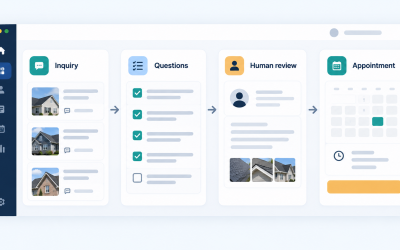
I still recommend messenger bot implementations for customer support and retention when they’re designed around clear goals. To install messenger bot for business setup I focus on two things first: a narrow use case (support triage, appointment booking, or cart recovery) and a simple conversation flow that guides users to resolution or human handoff. Start by mapping the user onboarding path—greeting text, Get Started button, quick replies and persistent menu—that reduces friction and increases containment rate.
Practical steps I use to install messenger bot step-by-step for support and retention:
- Define KPIs (first‑response time, containment rate, conversion to booking or sale) and design conversation flow to hit them.
- Choose a platform: install messenger bot without coding (ManyChat, Chatfuel, Tidio) for fast deployment, or build and install messenger bot from GitHub or a custom stack for deeper CRM/ERP integrations.
- Connect messenger bot to facebook page and set messenger bot authentication setup so subscribe_permissions and page access token are valid.
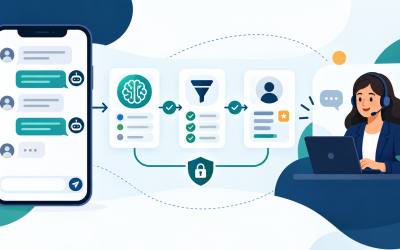
- Configure automated replies, fallback handling, and a clear human takeover path using the handover protocol for escalations.
- Test onboarding flows with real users, then iterate on messenger bot conversation flow to reduce dropoffs and improve retention strategies.
If you need a quick, reliable path to go live, follow a concise walkthrough such as the 10‑minute setup guide to set up your first AI chat bot which shows how to deploy, connect messenger bot to facebook page, and configure core profile items quickly. For technical policy and best practices, always check Meta’s Messenger Platform docs to ensure your facebook messenger chatbot setup complies with messaging rules.
messenger bot analytics and ROI: optimize messenger bot installation, conversion optimization, and relevance today
Measuring and optimizing messenger bot analytics is what keeps bots relevant. After I deploy messenger bot, I instrument analytics to track message volume, containment rate (percentage of conversations resolved by the bot), conversion lift (leads, bookings, sales), unsubscribe rates, and average response time. These metrics tell you whether the messenger bot installation is meeting business goals and where to iterate.
Optimization checklist I follow to improve ROI:
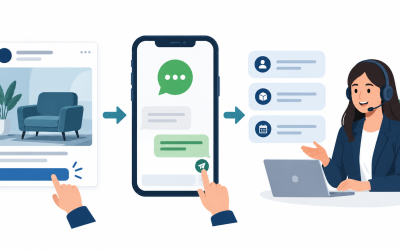
- Track events at entry points (ads → Messenger, website widget) and attribute conversions back to flows to understand which CTAs and branches perform best.
- Run A/B tests on greeting text, CTA wording, quick replies and broadcast timing to optimize conversion and retention.
- Integrate analytics and CRM so lead data captured by the messenger bot feeds follow‑up sequences and lifecycle campaigns.
- Add NLP (Dialogflow, Wit.ai) or platform‑native AI for intent detection where scaling the conversation adds measurable lift, then monitor false‑positive rates.
- Maintain compliance and privacy (GDPR, data privacy), rotate page access tokens securely, and follow facebook policies to avoid delivery issues that harm ROI.
For platform recommendations and no‑code options that speed up testing and scale, review ManyChat for marketing automation examples and refer to Meta’s developer docs for reliable messenger bot API and webhook practices. Optimizing messenger bot installation is an iterative process—measure, refine flows, deploy updates, and re‑test to keep bots both relevant and profitable.
How do I add my bot?
create messenger bot and deploy messenger bot: messenger bot setup tutorial and deploy messenger bot from GitHub or platform builder
1) Prepare prerequisites — Before I create messenger bot and deploy messenger bot, I make sure prerequisites are in place: I have a Facebook Business Page and my Facebook account has Admin access to that Page; I choose whether to install messenger bot without coding using a no‑code builder (ManyChat, Chatfuel, Tidio) or to build a custom bot (Node.js, Python, PHP) and prepare my server/webhook. If I’m building custom, I create a Meta App in Meta for Developers and note the App ID/secret; if I’m using a platform, I create an account on that platform. I confirm I can grant required permissions (pages_messaging, pages_manage_metadata, pages_read_engagement) for the Page integration (see Meta Messenger Platform docs).
2) Connect via a no‑code platform — For a fast messenger bot setup tutorial I open the chosen platform, go to Integrations or Channels → Facebook/Messenger and click Continue with Facebook. I sign in with the Page Admin account, choose “Opt in to current Pages only” (or select specific Pages), and grant the permissions so the platform can create or store the page access token and subscribe webhooks automatically. This flow lets me install messenger bot quickly and deploy messenger bot without coding; many teams then refine conversation flow, automated replies and broadcasts on the platform.
3) Deploy a custom bot from GitHub — If I deploy messenger bot from GitHub, I add the Messenger product to my Meta App, set my webhook URL and verify token on my server, implement webhook handlers for messages/messaging_postbacks/messaging_optins/message_deliveries, and securely store the Page Access Token on the server. I subscribe the App to the Page so Messenger events are delivered to my webhook and test Send API calls using the Page Access Token. For rapid hands‑on deployment, follow the quick walkthrough in the 10-minute setup guide.
messenger bot configuration and authentication: messenger bot authentication setup, subscribe_permissions, and persistent menu setup
After I deploy messenger bot, messenger bot configuration and authentication are critical. I set messenger bot authentication setup by verifying the Page Access Token and ensuring subscribe_permissions are granted so users can opt in. I configure messenger bot profile items (greeting text, Get Started button, persistent menu and quick replies) via the Messenger Profile API or the platform UI to guide user onboarding and drive CTA conversions.
Configuration checklist I follow to secure and optimize the integration:
- Validate the page access token (use Graph API Explorer) and confirm the webhook responds to Meta’s verification challenge with HTTP 200.
- Set the Get Started greeting text and persistent menu to reduce friction and improve conversation flow for onboarding, bookings, lead generation or ecommerce.
- Implement subscribe_permissions and messaging scopes correctly to enable broadcasts and subscription messages in line with Facebook policies.
- Configure fallback handling, quick replies and automated replies, and build handover protocol routes for human takeover when needed.
- Run the messenger bot review and test process: test with non‑admin users, verify postbacks and webhooks, and iterate on the messenger bot conversation flow.
Where relevant, I use platform tutorials for specific builders — see the ManyChat Facebook bot setup or the WordPress integration guide to install messenger bot on WordPress. Once configuration and authentication are validated, I deploy messenger bot live, monitor analytics, and schedule regular updates and maintenance to keep the integration secure and performant.

How to install a chat bot?
messenger bot installation guide: install chatbot for messenger step-by-step, install chatbot webhook and messenger bot API setup
I choose the right path first: no‑code, low‑code, or custom. For many teams I advise starting with install messenger bot without coding so you can validate use cases quickly; for complex integrations I build custom stacks. The practical messenger bot installation guide I follow covers prerequisites, build, webhook setup, and production readiness.
Step‑by‑step installer flow I use to install chatbot for Messenger:
- Choose your approach — Decide to install messenger bot with manychat or another no‑code platform, or to build custom using Node.js/Python/PHP. No‑code speeds launch; custom gives control over APIs and scaling.
- Prepare prerequisites — Create or confirm a Facebook Business Page and ensure Page Admin access; if custom, create a Meta App in Meta for Developers and record App ID/secret. Confirm required permissions (pages_messaging, pages_manage_metadata, pages_read_engagement). Reference: Meta Messenger Platform docs.
- Build core flows — Map conversation flow (greeting text, Get Started, quick replies, persistent menu) and define fallback handling and CTA setup for bookings, lead gen or ecommerce.
- API & webhook — For custom bots set a webhook URL, implement the verify token handler and subscribe to webhook fields (messages, messaging_postbacks, messaging_optins, message_deliveries). Obtain and securely store the page access token for Send API calls.
- Connect channel — For platform installs use Integrations → Messenger and click Continue with Facebook to connect and let the platform create the page access token and webhook; for custom installs subscribe your App to the Page in the developer dashboard.
- Test and validate — Test with non‑admin accounts, verify webhook HTTP 200 responses, confirm postbacks and persistent menu behavior, and run the messenger bot review and test checklist before live deployment.
- Deploy and monitor — Move the app to Live if required, enable broadcasts per Facebook policies, monitor messenger bot analytics and performance, and schedule maintenance and updates.
If you want a fast hands‑on walkthrough to install messenger bot and go live quickly, my 10‑minute setup guide shows the quickest route to connect, configure and test a working Messenger integration.
install messenger bot technical options: install messenger bot using python, node.js, php or drag-and-drop builder; install messenger bot with dialogflow or wit.ai
I pick a technical stack based on scale and required integrations. If I need rapid iteration I install messenger bot with a drag‑and‑drop builder; if I need custom NLP, secure data flows, or multi‑language support I install messenger bot using Python, Node.js or PHP and integrate Dialogflow or Wit.ai for intent handling.
Technical options and best practices I follow:
- No‑code / drag‑and‑drop — Install messenger bot without coding on ManyChat, Chatfuel or Tidio to build flows, automated replies and broadcasts quickly. Ideal for marketing, lead generation and small business support.
- Custom stack (Python/Node.js/PHP) — Build webhook handlers, implement Send/Receive API calls, secure tokens, and deploy on cloud hosting with monitoring. Use frameworks and templates to install messenger bot from GitHub for faster deployment.
- NLP integration — Install messenger bot with Dialogflow or install messenger bot with Wit.ai when you need robust intent detection or multi‑language support; map detected intents to Messenger flows and test false‑positive rates.
- Security & performance — Use HTTPS webhooks, rotate page access tokens, enforce role management and user permissions, and design for scalability and performance tuning (caching, async handlers, retry logic).
- Testing & local development — Use local tunneling (ngrok) or sandbox environments for local testing, run the messenger bot testing checklist and QA steps, and validate webhook retries and error handling before live deployment.
Whether I build and install messenger bot with a no‑code platform or deploy a custom bot, the technical choice should align with your goals: speed and low cost favor no‑code; control, scalability and advanced AI favor custom stacks with Dialogflow/Wit.ai and cloud deployment.
Advanced Setup, Testing and Compliance
install messenger bot troubleshooting and best practices: messenger bot testing checklist, QA steps, fallback handling and error handling
I treat troubleshooting and QA as part of the install messenger bot lifecycle—skipping it leads to failed installs and broken UX. My messenger bot testing checklist covers token validity, webhook delivery, UX flows and error recovery so I can reliably install messenger bot and keep it healthy in production.
- Pre‑deployment checks: verify messenger bot page access token is valid, confirm messenger bot permissions (pages_messaging, pages_manage_metadata, pages_read_engagement), and ensure the Meta App is configured if you performed a facebook developer messenger bot install.
- Webhook & API validation: verify the messenger bot webhook responds to Meta’s verification challenge with HTTP 200, confirm subscribed webhook fields (messages, messaging_postbacks, messaging_optins, message_deliveries) and test Send API calls using the token.
- Flow QA: run end‑to‑end tests for greeting text, Get Started, quick replies, persistent menu and automated replies; use non‑admin test accounts to confirm real user behavior and edge cases.
- Fallback & error handling: implement concise fallback messages, exponential retry for transient errors, structured logging for 4xx/5xx webhook responses, and clear human takeover routes via the handover protocol so the bot hands off when confidence is low.
- Monitoring & alerts: instrument analytics for containment rate, latency, error rate and webhook delivery failures; set alerts for sudden drops in delivery or spikes in fallback rates so I can act fast.
- Regression & QA steps: include automated tests for common postbacks, a manual QA pass after each deploy, and a messenger bot testing checklist that covers privacy, message tags and broadcast rules.
When troubleshooting, I follow a prioritized sequence: check tokens and permissions, inspect webhook logs for HTTP codes, verify Messenger Profile API responses for persistent menu/greeting text, then reproduce the issue with a non‑admin user. For platform‑specific guidance I use the add a bot to Messenger step‑by‑step walkthrough and the quick 10‑minute setup guide to validate standard integration flows. If I’m integrating on a website, I reference the WordPress install guide to ensure the widget and webhooks behave correctly: install messenger bot on WordPress. For developer stacks I use the Python or PHP tutorials to reproduce and fix API issues: Python tutorial and PHP guide.
install messenger bot GDPR compliance and security: secure messenger bot installation, data privacy, facebook policies, hosting requirements and live deployment maintenance
I treat secure messenger bot installation as non‑negotiable. To install messenger bot securely I lock down tokens, minimize data collection, and follow Facebook policies and GDPR requirements throughout development and live deployment.
- Token & credential security: store page access tokens and App secrets in a secrets manager, rotate tokens on compromise, and never expose them in client code or public repos when you install messenger bot from GitHub.
- Minimal data collection: request only the fields needed for the flow (use contextual CTAs and short forms), implement data retention policies, and provide clear opt‑out paths to comply with GDPR and data privacy best practices.
- Platform compliance: follow Meta’s messaging policies for message tags, subscription messages and broadcast rules; complete App Review if you use restricted scopes and ensure subscribe_permissions are handled correctly.
- Hosting & uptime: host webhooks on HTTPS endpoints with monitoring, autoscaling and retries; meet the hosting requirements for production traffic and schedule maintenance windows for updates to minimize outages during live deployment.
- Privacy & consent UX: surface explicit opt‑ins for marketing messages, document consent flows, and store consent records to support audits—this matters when you install messenger bot for marketing or ecommerce and use broadcasts.
- Ongoing maintenance: schedule periodic security reviews, messenger bot updates, and QA cycles; monitor analytics for anomalies and apply performance tuning to keep the bot scalable and compliant.
For policy references and technical rules I rely on Meta’s Messenger Platform docs and for no‑code platform comparisons I review ManyChat and other builders to ensure they meet my compliance needs. When rapid deployment is required I still prioritize secure install patterns and a maintenance plan so that after I deploy messenger bot it remains performant, privacy‑safe, and aligned with facebook messenger chatbot setup policies.
 English
  Tagalog
  简体中文
简体中文  العربية
  हिन्दी
  Português do Brasil
  Español de México
  Français
  বাংলা
বাংলা  香港中文
香港中文  繁體中文
繁體中文  Nederlands
  Deutsch
  Bahasa Indonesia
  日本語
日本語  한국어
한국어  Polski
  Русский
  Español
  Tiếng Việt